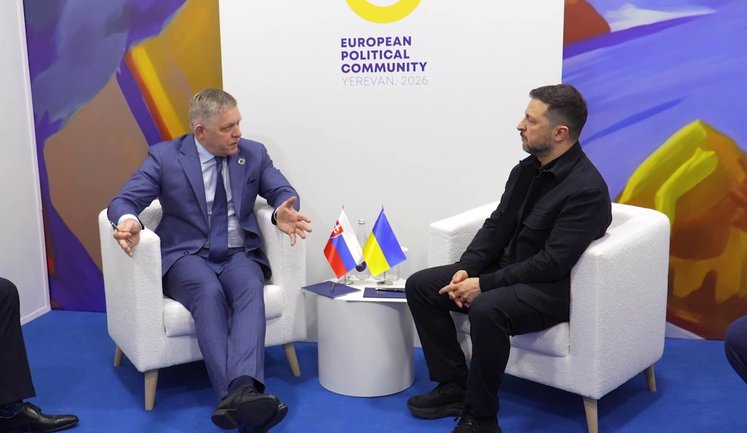
Slovakia, under the leadership of Prime Minister Robert Fico, continues to navigate its complex relationship with the European Union and neighboring Ukraine. Fico, who has expressed opposition to certain EU initiatives, has hinted at blocking a significant €90 billion EU loan intended for Ukraine. Slovakia's stance is further complicated by its recent actions, such as halting diesel exports to Ukraine and lifting a veto on EU sanctions against Russia, showcasing its nuanced position in the region. Additionally, Slovakia seeks collaborative energy discussions with Ukraine, reflecting its strategic geopolitical concerns about the Druzhba pipeline. Stay updated on Slovakia's evolving EU relations and regional influence.
What is Slovakia's stance on the EU loan for Ukraine?
Slovakia, led by Prime Minister Robert Fico, has expressed uncertainty about supporting a €90 billion EU loan for Ukraine. Fico suggests that his country might block this financial aid, citing Slovakia's national interests and energy security concerns as primary factors influencing this decision.
Why did Slovakia lift its veto on EU sanctions against Russia?
Slovakia recently lifted its veto on EU sanctions against Russia, indicating a shift in its diplomatic stance. This decision allowed the extension of restrictive measures for another six months, highlighting Slovakia's strategic consideration of its position within the broader context of EU relations and sanctions policy.
How is Slovakia impacting energy cooperation with Ukraine?
Slovakia's energy cooperation with Ukraine is marked by recent tensions regarding the Druzhba oil pipeline. While Slovakia has halted some energy exports to Ukraine, it shows an interest in discussing future energy collaborations, balancing regional energy needs with geopolitical challenges.
Is Slovakia considering blocking EU measures against Russia?
Slovakia has taken a critical stance on certain EU measures against Russia, including sanctions. Prime Minister Robert Fico has voiced opposition, questioning the implications for Slovakia's energy security and the economic impact, showing a complex balance between EU alignment and national interests.
What political strategies is Slovakia employing in the EU?
Slovakia employs a cautious political strategy within the EU, often asserting its independent decision-making power. Prime Minister Fico's leadership reflects this through actions such as potentially blocking EU funding to Ukraine and his nuanced approach to sanctions, highlighting Slovakia's prioritization of national over supranational interests.