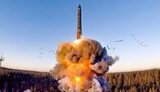
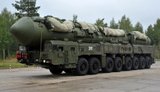
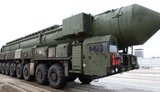
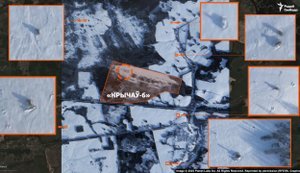
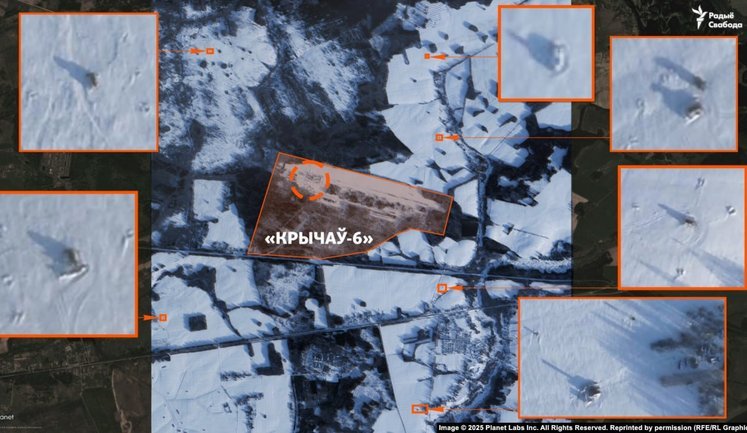
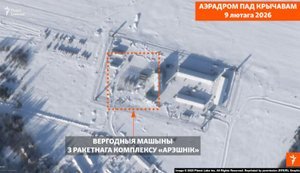
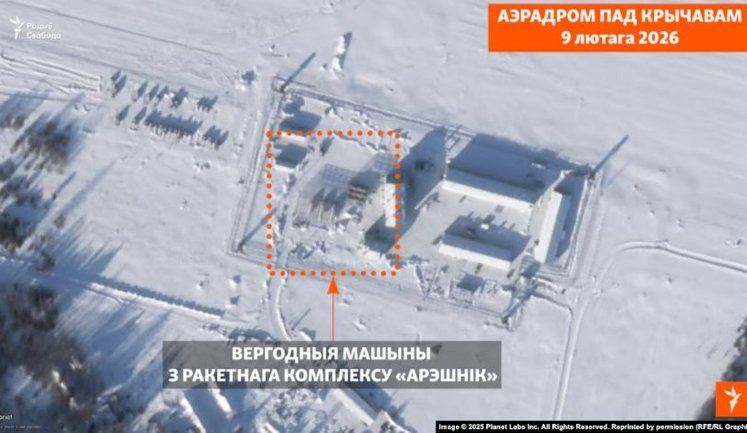
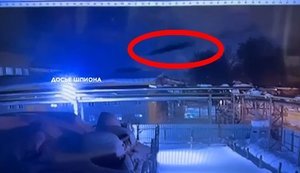
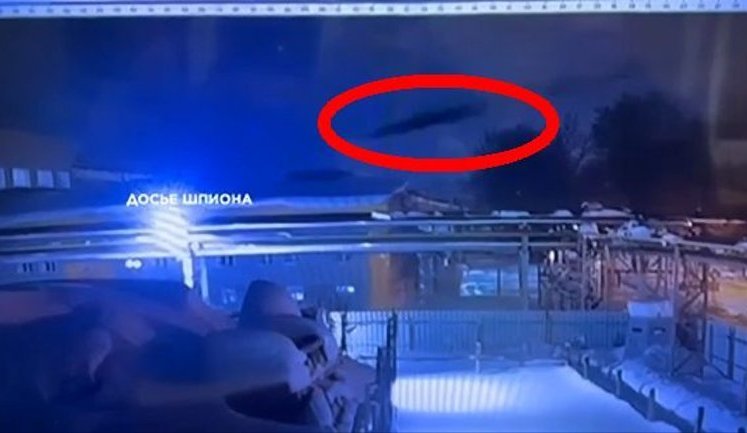
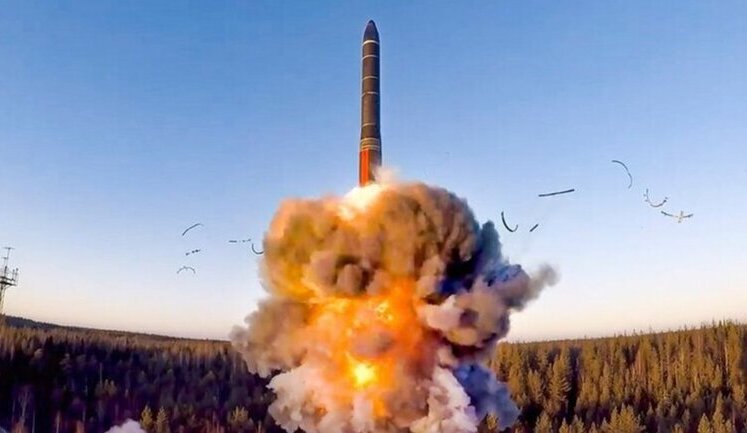
In 2026, the Oreshnik missile system remains a focal point in the geopolitical tension between Ukraine and Russia. Ukrainian electronic warfare has successfully disrupted Oreshnik missile trajectories using advanced systems like "Lima". Despite these efforts, there is persistent concern over possible missile launches from the Kapustin Yar test site and deployments in Belarus. These developments underscore the missile's strategic use by Russia as both a military threat and a tool for political leverage. Satellite images reveal increased security around missile bases, indicating heightened preparations. Meanwhile, Ukraine, with allied support, continues to counter these threats and has imposed sanctions on Russian and Iranian entities supporting missile production.
What is the significance of the Oreshnik missile in the Russia-Ukraine conflict?
The Oreshnik missile is a symbol of Russia's military capabilities and strategic intentions. Its deployment indicates potential escalations, impacting peace efforts. Ukraine's countermeasures and allied support are crucial in mitigating its threat while highlighting the broader geopolitical implications.
How does Ukraine counter the Oreshnik missile threat?
Ukraine employs electronic warfare systems, such as the "Lima", to disrupt Oreshnik missile trajectories. Collaborating with international allies, Ukraine enhances its defenses through intelligence sharing and sanctions on entities supporting Russian missile production.
What are the geopolitical implications of Oreshnik deployments in Belarus?
The presence of Oreshnik missiles in Belarus signals Russia's leverage over Belarus in extending its strategic influence. This situation raises security concerns for Europe and underscores Belarus's role in regional power dynamics, complicating diplomatic resolutions.
How has the international community responded to the Oreshnik threat?
The international community, particularly Western allies, supports Ukraine by providing intelligence, strengthening defensive capabilities, and imposing sanctions on key contributors to Russia's missile program. This unified response aims to deter further escalations and uphold regional stability.
What recent actions have intensified scrutiny on the Oreshnik missile system?
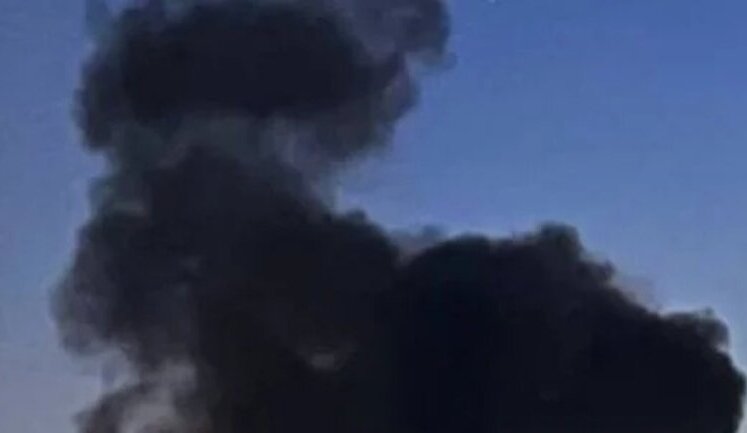
Recent missile strikes in areas like Bila Tserkva and public declarations by Russian leaders labeling attacks as tests have intensified scrutiny. Coupled with the discovery of missile bases via satellite imagery, these actions highlight ongoing threats and the need for vigilant monitoring.
Is there a likelihood of further Oreshnik missile production in Russia?
Reports suggest Russia plans to increase the production of Oreshnik missiles, with goals of manufacturing five or more units annually. This initiative signals Russia's commitment to expanding its missile arsenal despite international pressures and sanctions.
What role does electronic warfare play in countering ballistic missile threats?
Electronic warfare is critical in disrupting or neutralizing missile threats by jamming guidance systems, altering trajectories, or rendering missiles ineffective. It forms a vital part of a comprehensive defense strategy against advanced missile technologies like the Oreshnik.