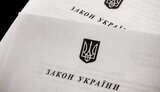
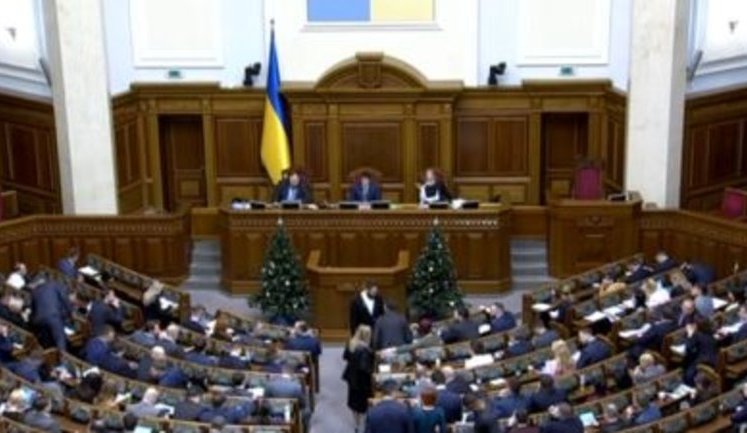
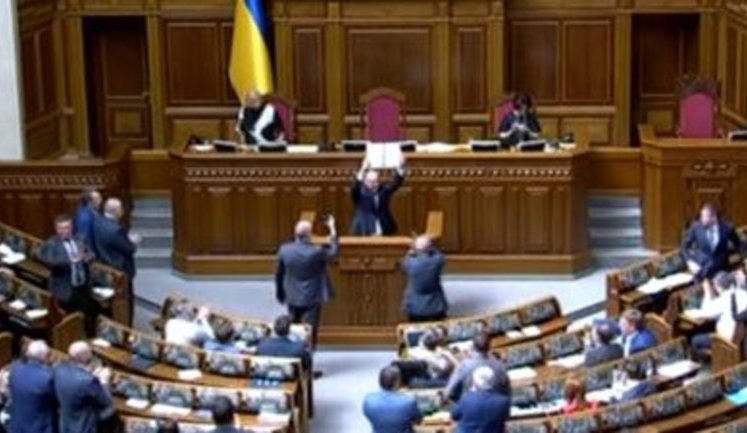
Ukraine's legislative landscape is continuously evolving, with recent laws reflecting significant developments in various sectors. The Verkhovna Rada's new law establishing a strategic fuel reserve aims to stabilize the energy market. Meanwhile, President Zelenskyy has signed several crucial laws, including the mandatory evacuation from military zones, social guarantees for foreign military personnel, and amendments to the Tax and Customs Codes to benefit drone manufacturers. Additionally, changes in language protection and humanitarian aid mark pivotal shifts. Keep abreast of these important legal advancements affecting Ukraine's socio-economic framework.
How does the new law affect fuel price control in Ukraine?
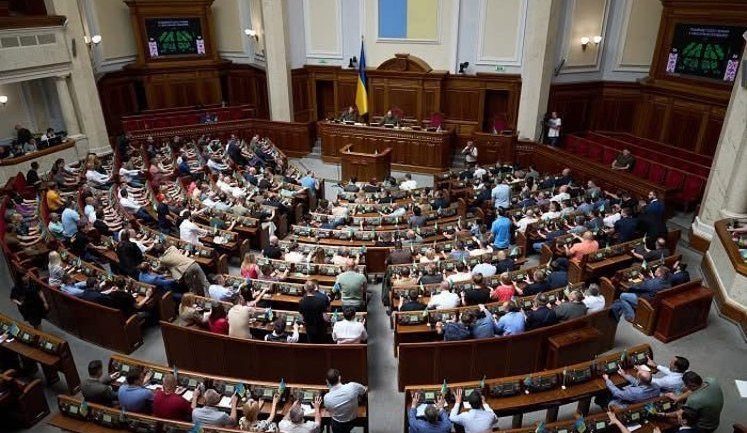
The Verkhovna Rada's law allows for the creation of a strategic fuel reserve intended to stabilize Ukraine's energy market. This measure will enhance the government's ability to manage fuel prices by establishing a buffer against market fluctuations, ensuring more consistent and regulated fuel costs across the country.
What does the mandatory evacuation law entail?
The mandatory evacuation law signed by President Zelenskyy mandates the relocation of civilians, including children, from regions with active or potential military operations. This law aims to safeguard the lives of residents by moving them to safer areas, thus minimizing the risk posed by ongoing conflicts.
What social guarantees are provided to foreign military personnel in Ukraine?
President Zelenskyy has enacted a law offering social guarantees to foreigners serving in the Armed Forces of Ukraine. These guarantees include legal protections and benefits aimed at enhancing their rights and living conditions while serving, recognizing their contribution to Ukraine's defense efforts.
What changes have been made to benefit drone manufacturers in Ukraine?
The recent amendments to the Tax Code and Customs Code signed by President Zelenskyy expand benefits for drone manufacturers. These include tax incentives and reduced import duties on components, fostering growth and innovation in Ukraine's drone industry, crucial for both civilian and defense applications.
How has language protection legislation changed in Ukraine?
The Verkhovna Rada has updated the language legislation by removing Russian from the European Charter for Regional or Minority Languages within Ukraine. This reform aligns with the country's efforts to strengthen national identity and reduce foreign influence by promoting the use of Ukrainian and other minority languages recognized in the charter.