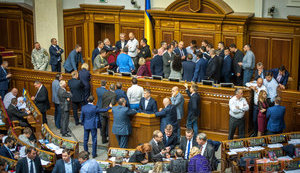
Ukraine's legislative dynamics are currently dominated by crucial bills and reforms, crucially including the ongoing finalization of a new Civil Code. This Code, pending second reading in the Verkhovna Rada, faces significant debates over family law provisions. In parallel, the US Congress has introduced a significant bill proposing sanctions targeting Russia's religious freedom violations, underscoring growing international scrutiny. Domestically, Ukraine's Verkhovna Rada has backed local government reforms aligning with EU standards, reflecting the country's strategic alignment with European frameworks. Each of these developments illustrates the intricate dance of political and legislative maneuvers shaping Ukraine's future. Understanding the ramifications of these bills is critical for stakeholders across political and socio-economic spheres, ensuring informed discourse and responsive policymaking. Regular updates are vital as these legislative processes unfold.
What are the main challenges facing the new Civil Code of Ukraine?
The new Civil Code of Ukraine, slated for completion before the second reading in the Verkhovna Rada, faces major challenges primarily concerning family law provisions. These sections of the law are contentious, with stakeholders debating their implications for Ukrainian society. Ensuring that the code aligns with contemporary legal standards while respecting domestic norms remains a focal point of discourse and development. The complexities of reconciling traditional practices with modern governance models add layers of difficulty to this legislative process.
Why did the US Congress introduce a bill on Russian religious freedom violations?
The US Congress introduced a bill targeting Russian violations of religious freedom as part of a broader sanctions regime aimed at addressing human rights abuses. This legislative move underscores bipartisan concern over Russia's alleged suppression of religious groups and practices, aligning with international efforts to uphold religious rights. By imposing sanctions, the US aims to pressure Russia into compliance with international human rights norms, reflecting deep-seated geopolitical and moral considerations in foreign policy strategy.
How does the local government reform bill impact EU-Ukraine relations?
The local government reform bill endorsed by the Verkhovna Rada is a critical step in aligning Ukraine's administrative structures with European Union standards. By delineating clear divisions of power among government levels, the bill facilitates governance efficiency and transparency, which are foundational to EU integration criteria. These reforms not only illustrate Ukraine's commitment to joining the EU framework but also enhance bilateral relations by demonstrating adherence to shared governance principles.
What implications does the US bill on sanctions have for Russia's international relations?
The US bill imposing sanctions on Russia over religious freedom violations has significant implications for Russia's international relationships. By targeting Moscow's alleged human rights abuses, this bill may exacerbate tensions between Russia and Western nations, potentially leading to broader diplomatic and economic repercussions. The move is likely to influence Russia's negotiations and interactions on the world stage, particularly as it seeks to navigate escalating geopolitical pressures and maintain favorable economic partnerships despite punitive western policies.
What are the potential outcomes of the reform in Ukraine's local government structure?
The reform of Ukraine's local government structure, as sanctioned by recent legislation, aims to enhance administrative efficiency and governance clarity at local levels. Potential outcomes include improved service delivery, increased political accountability, and strengthened regional development. By aligning with EU standards, Ukraine sets the foundation for deeper integration with European policies, facilitating both administrative modernization and socio-economic development. This strategic legislative shift may catalyze further reforms and attract international investments, fostering a more robust local government infrastructure.