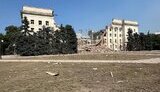
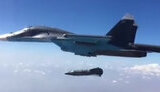
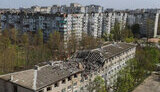
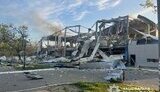
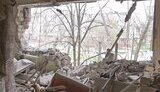
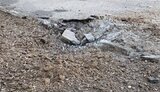
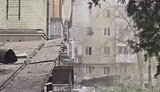
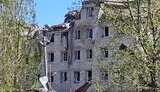
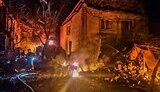
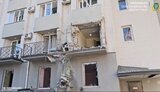
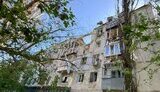
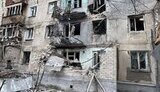
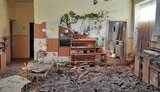
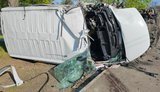
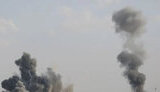
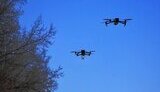
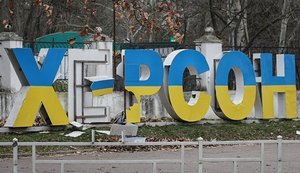
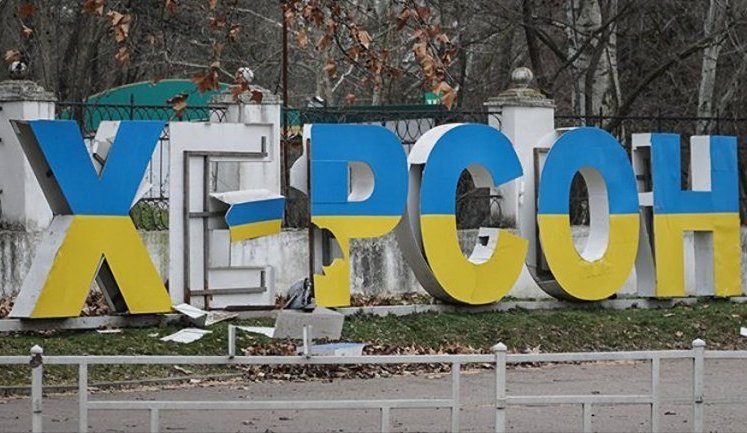
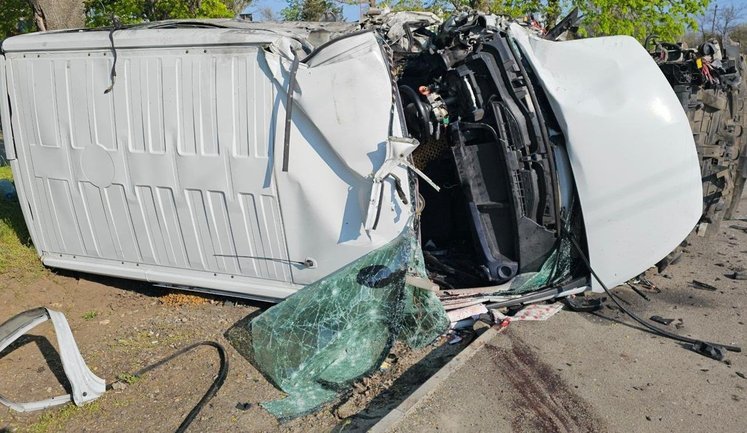
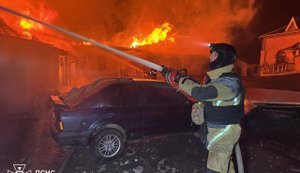
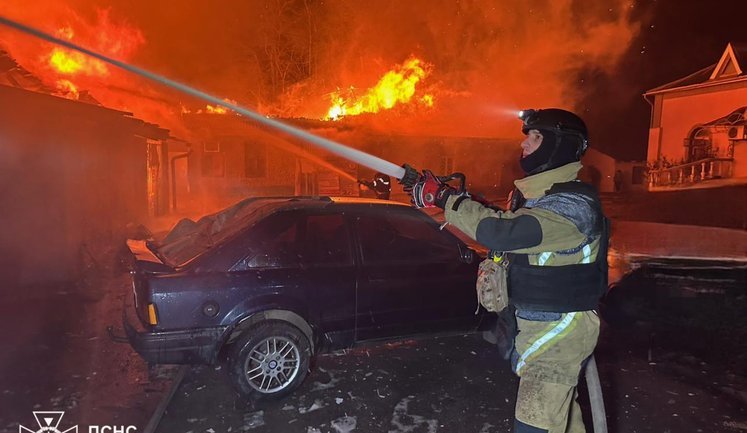
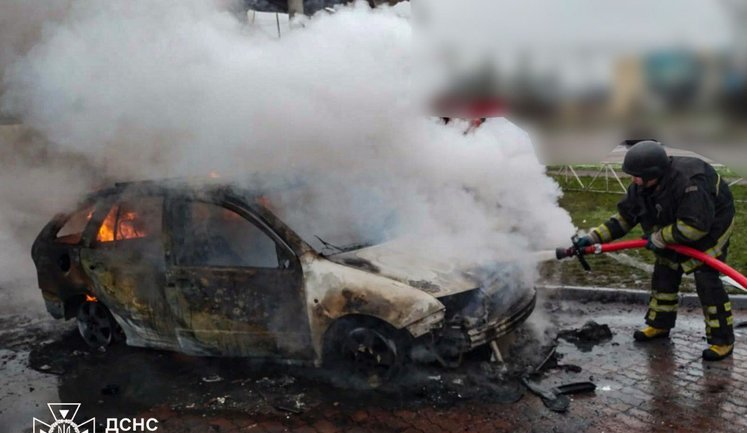
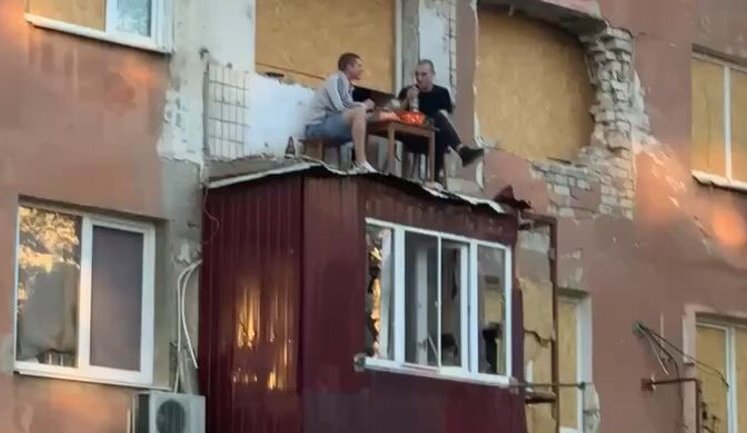
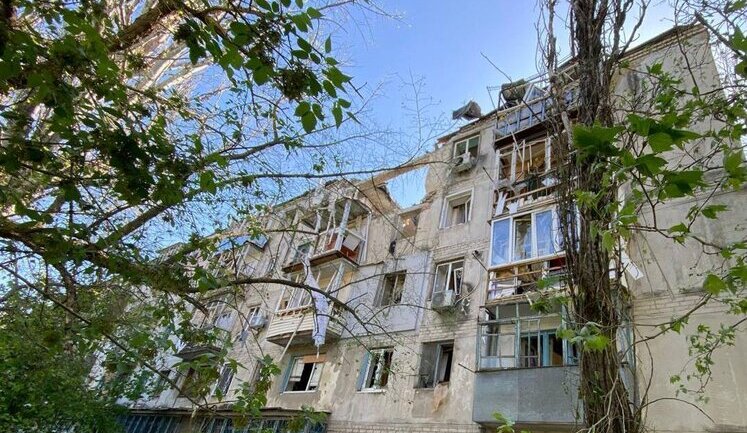
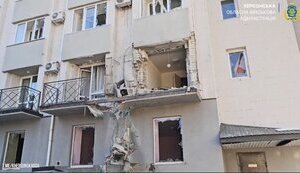
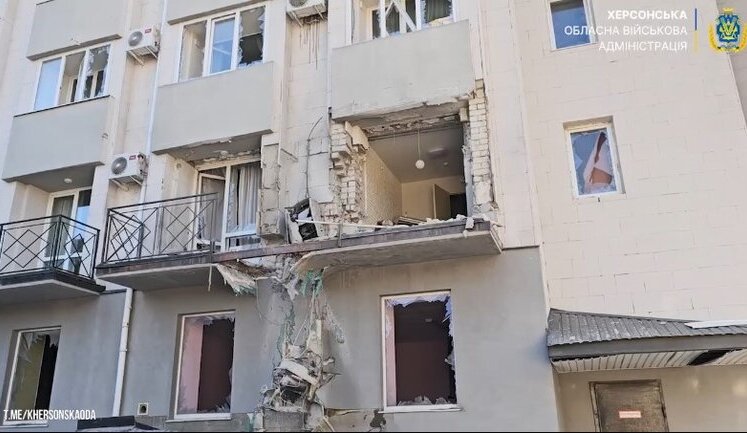
Kherson has become a focal point of intense Russian military aggression. The onslaught has targeted civilian infrastructure, including residential buildings, kindergartens, and train stations. Strikes have led to significant casualties, with numerous deaths and injuries reported. Air strikes have destroyed critical infrastructure, while drone attacks create new dangers for the civilian population. The relentless artillery shelling has exacerbated the humanitarian crisis, leaving Kherson's residents in fear and mourning. Russian military forces continue aggressive operations, challenging local emergency responders and complicating relief efforts. The international community watches closely, expressing deep concern over the escalating violence and its humanitarian impact on Kherson.
What has been the impact of Russian air strikes on Kherson?
Russian air strikes have caused significant devastation in Kherson, demolishing buildings and resulting in numerous civilian casualties, including deaths and injuries. These attacks have also targeted vital infrastructure like train stations.
How have drone attacks affected civilians in Kherson?
Drone attacks in Kherson have directly targeted civilians, resulting in tragic fatalities and critical injuries. The psychological impact of these unpredictable strikes has intensified the civilian population's fear and distress.
What regions of Kherson have been most affected by the shelling?
The Dniprovskyi and Korabelnyi districts of Kherson have been heavily affected by Russian shelling. These areas have seen extensive damage to residential areas and essential services, causing severe disruption and loss of life.
What humanitarian challenges are faced due to the attacks on Kherson?
The humanitarian challenges in Kherson include displacement of families, destruction of homes, and overwhelming local medical facilities. Resources are strained as rescue and medical teams struggle to cope with the increasing number of casualties.
Are there ongoing efforts to aid victims of the Kherson strikes?
Yes, various humanitarian agencies and local governments are working to provide relief and support to victims of the Kherson strikes. Efforts include medical aid, food supplies, and shelter for displaced families amid ongoing hostilities.
How has the international community responded to the situation in Kherson?
The international community has condemned the attacks on Kherson and called for an immediate cessation of hostilities. Human rights organizations are documenting the impacts, urging more robust international intervention and humanitarian support.
What role have volunteers played during the crisis in Kherson?
Volunteers in Kherson have been crucial in providing immediate assistance, including transporting injured civilians, distributing food and medical supplies, and supporting evacuation efforts despite the high risks involved in active conflict zones.
What is the current state of infrastructure in Kherson amid the conflict?
Kherson's infrastructure has suffered extensive damage from continuous attacks. Critical facilities like hospitals, schools, and transportation hubs have either been destroyed or are operating under strained conditions, impeding normal civic functions.
How has the local population of Kherson reacted to the ongoing strikes?
The population in Kherson is experiencing profound trauma and uncertainty due to the strikes. Many residents live in fear, with disruptions to daily life, including access to education, jobs, and essential services, compounding their hardship.
What measures are in place to protect Kherson's civilians from future attacks?
Kherson authorities are implementing protective measures such as shelters and emergency response strategies. International pressure aims to facilitate a ceasefire and ensure civilians' safety, but the dynamic conflict environment poses ongoing challenges.