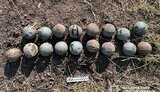
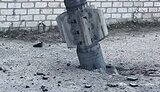
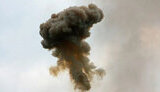
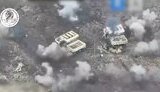
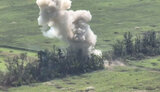
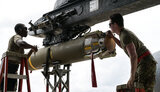
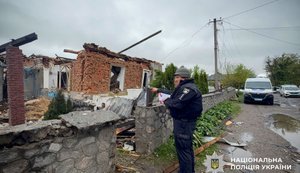
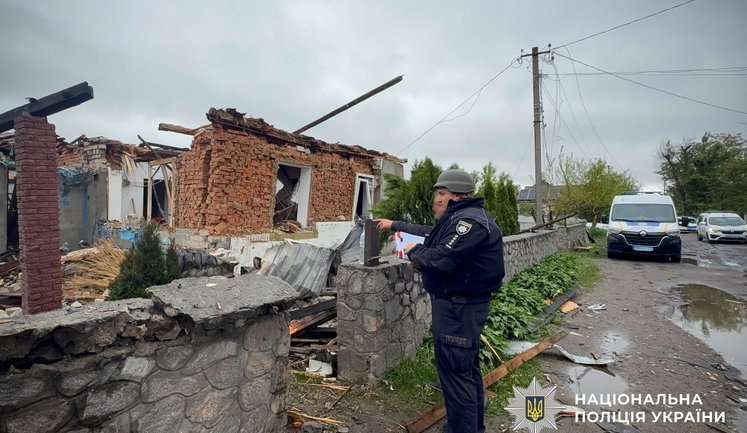
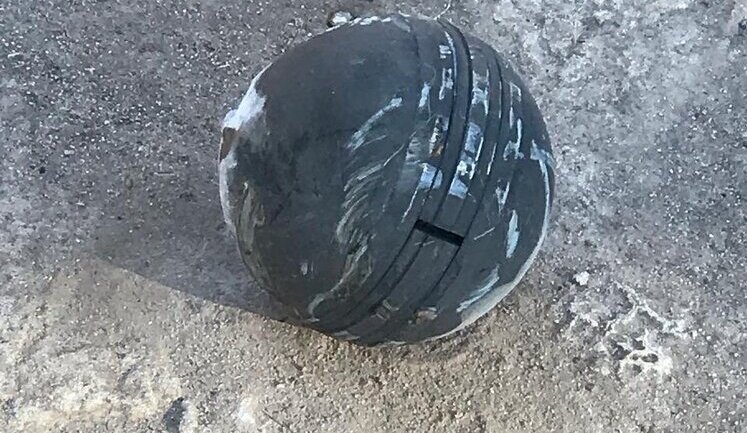
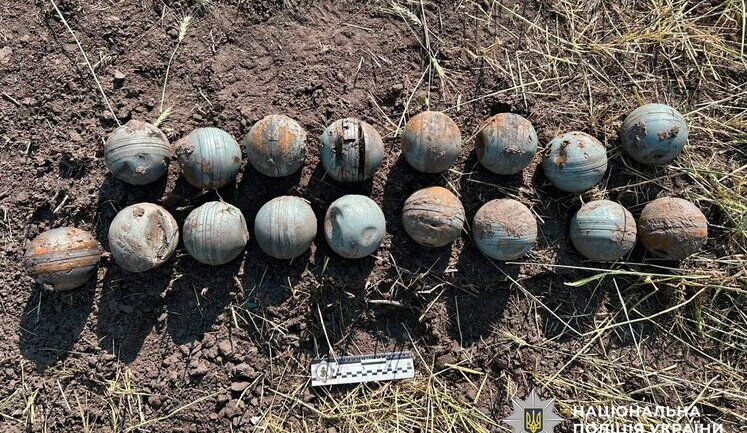
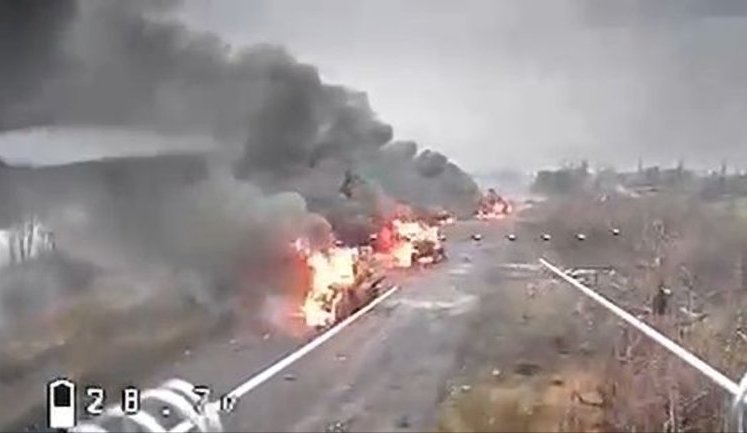
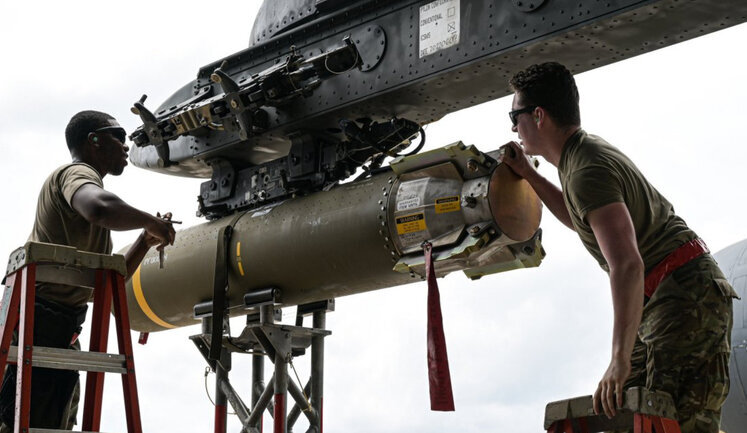
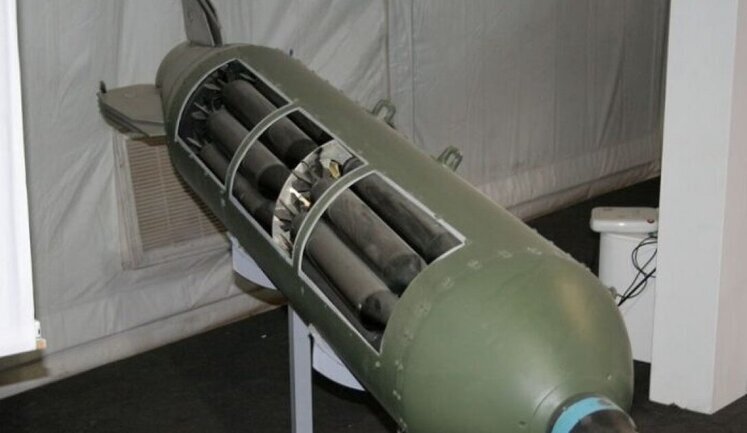
Cluster munitions have become a focal point in the ongoing conflict in Ukraine, causing significant damage and drawing international scrutiny. These weapons, which release multiple smaller bomblets over an area, have been reported in various Ukrainian regions, including Kyiv, Kremenchuk, and the Sumy region. The use of cluster munitions by Russian forces has led to civilian casualties and raised concerns about unexploded remnants that pose long-term dangers. Furthermore, the delivery of cluster munitions to Ukraine from allies like the US has sparked debate among international powers, with some countries supporting the aid to shift battlefield dynamics in favor of Ukraine, while others oppose their provision due to humanitarian concerns.
What are cluster munitions and why are they controversial?
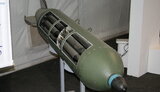
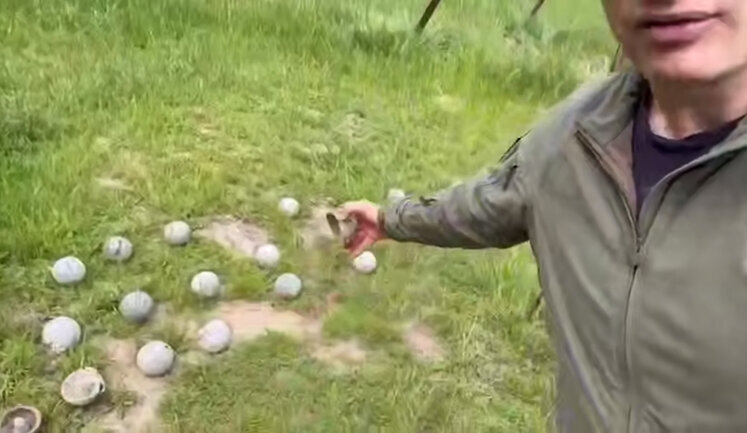
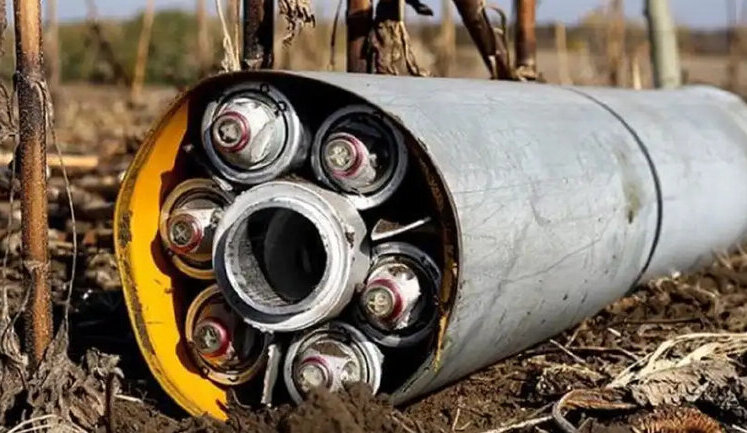
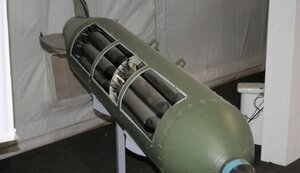
Cluster munitions are weapons that release multiple smaller bomblets, spreading damage over a wider area. They are controversial due to their long-term danger, as unexploded bomblets can harm civilians long after conflicts end, sparking significant humanitarian concerns globally.
How have cluster munitions been used in Ukraine's conflict?
Cluster munitions have been used by both Russian and Ukrainian forces in the ongoing conflict. Russian attacks have involved missiles containing these munitions, causing civilian casualties. Ukraine's increased use has been enabled by support from countries like the USA to counter Russian offensives.
What has been the international response to the use of cluster munitions?
There is a divided international response to the use of cluster munitions in Ukraine. While some nations back their provision to Ukraine for military advantage, others, including Germany and Canada, oppose it on humanitarian grounds, highlighting existing global treaties aimed at banning these munitions.
What are the long-term risks associated with cluster munitions?
The long-term risks include the persistence of unexploded ordinances, which can detonate at any time, posing significant threats to civilian life. This risk complicates post-conflict recovery and humanitarian efforts, making demining and cleanup operations critical yet challenging and costly.
Why do some countries support providing Ukraine with cluster munitions?
Countries supporting the provision of cluster munitions to Ukraine argue it could significantly impact battlefield dynamics, giving Ukraine a tactical advantage against Russian forces. They believe this support could help Ukraine defend its sovereignty and push back aggressions effectively.
What role has the US played in supplying cluster munitions to Ukraine?
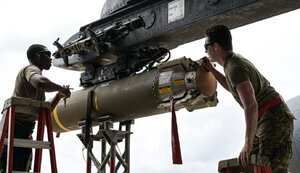
The US has been a key supplier of cluster munitions to Ukraine, providing them as part of military aid packages. The US argues that these munitions are necessary for Ukraine to counter the more significant and immediate threat posed by Russian military advances.
How are humanitarian organizations responding to cluster munitions in Ukraine?
Humanitarian organizations are advocating for greater awareness of the dangers of cluster munitions and pushing for international consensus to minimize their use. They emphasize the importance of post-conflict cleanup efforts to reduce civilian casualties caused by unexploded ordnances.