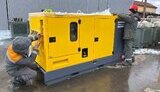
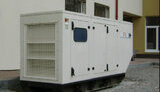
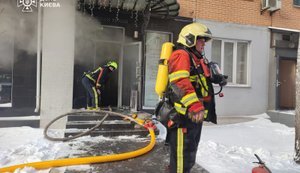
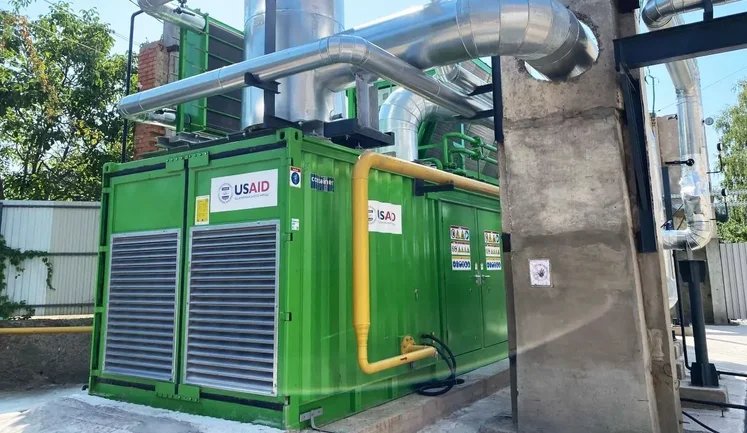
Ukraine's energy sector is in flux, with over 40% of imported cogeneration units still inactive. Despite receiving a significant number of generators from international partners, including recent contributions from France, Poland, and the EU, challenges remain. These generators are vital for ensuring energy resilience in the face of ongoing infrastructure attacks. However, incidents like generator-related fires and carbon monoxide poisonings highlight operational and safety issues that need addressing. Continuous support and strategic use of power units are essential for maintaining critical services and public safety in Ukraine.
What is the current state of cogeneration units in Ukraine?
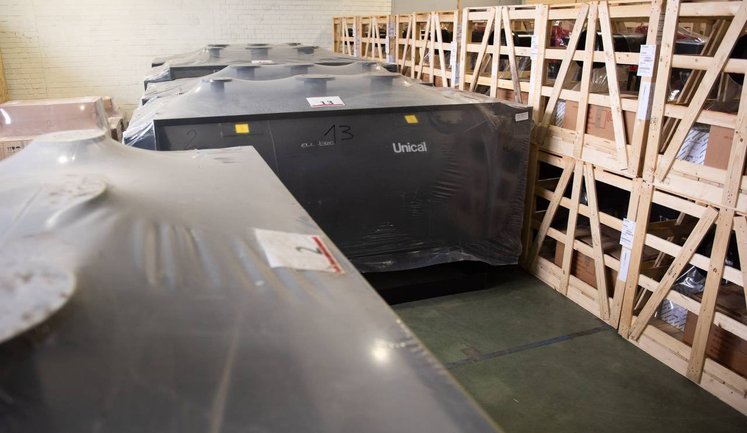
Currently, more than 40% of cogeneration units delivered to Ukraine remain inactive. These units are critical for the country's energy infrastructure, intended to mitigate the damage from attacks. The delay in their activation presents a significant challenge to energy distribution and resilience efforts in Ukraine.
How has France contributed to Ukraine's energy needs?
In 2026, France committed to sending 150 generators to Ukraine and pledged €71 million in support for its energy sector. This aid aims to meet critical power needs and assist in stabilizing the energy grid amid ongoing infrastructure challenges faced by Ukraine.
What safety concerns are associated with generator use in Ukraine?
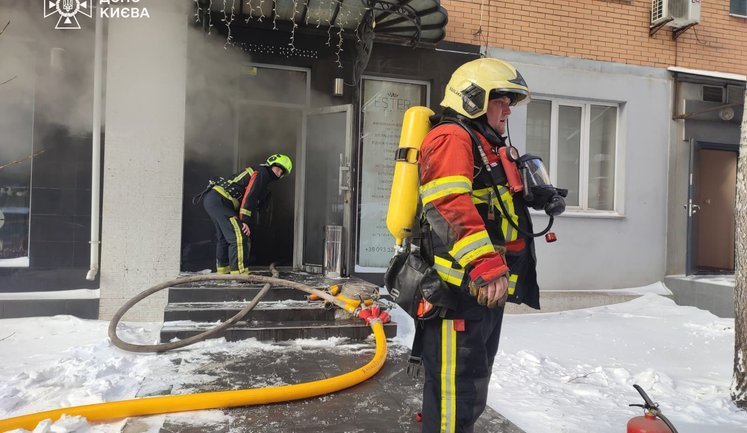
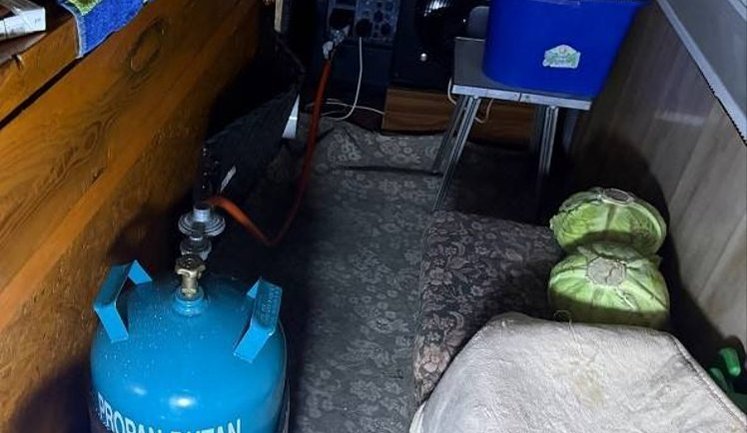
Safety issues associated with generator use include carbon monoxide poisoning, which has resulted in fatalities in residential areas. Moreover, incidents of fires caused by generator malfunctions have been reported, underscoring the need for rigorous safety protocols and effective management of generator installations.
How many generators has Poland provided to Ukraine?
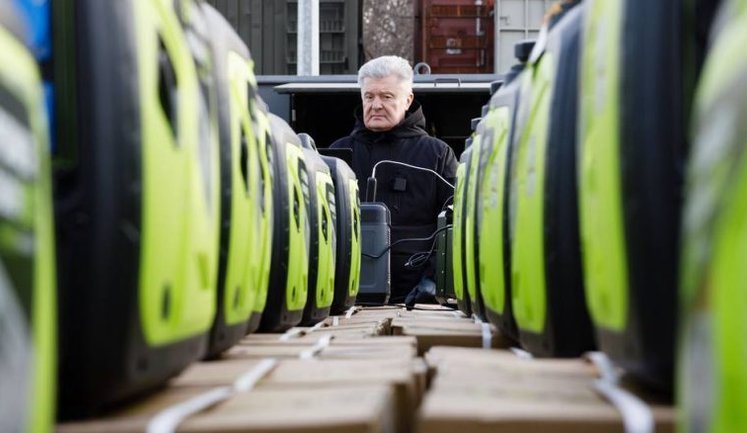
Poland has delivered 130 generators to Kyiv and committed to sending more. These generators play a critical role in ensuring electricity supply for essential services across Ukraine, especially following repeated attacks on energy infrastructure by hostile forces in the region.
Why are generators crucial for Ukraine at present?
Generators are crucial for Ukraine to ensure uninterrupted power supply to critical infrastructure such as hospitals, schools, and government buildings. With persistent attacks on energy grids, these power units provide essential backup and resilience to maintain vital services across the country.
What role do international partners play in Ukraine's energy sector recovery?
International partners have been instrumental in supporting Ukraine's energy sector by providing hundreds of generators, financial aid, and technical support. Their contributions help bolster Ukraine's capacity to maintain power distribution amid infrastructure damages and assist in the rebuilding of a resilient energy network.
What steps is Ukraine taking to improve generator management?
Ukraine is actively working on verifying energy equipment, increasing distributed generation, and improving the management and deployment of generators. These efforts involve financial allocations from the government and collaboration with international partners to optimize the use of received equipment efficiently and safely.
What are the consequences of not operating some cogeneration units?
The inability to operate a significant portion of cogeneration units hampers Ukraine's energy resilience and stability. It limits the capacity to counteract damage from energy infrastructure attacks, affecting power reliability for critical services and infrastructure, posing a risk to national security and civilian life.