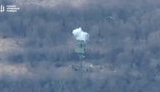
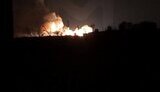
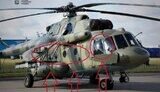
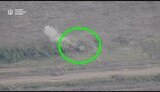
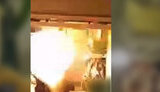
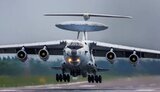
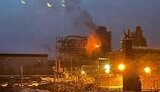
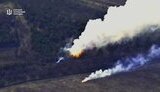
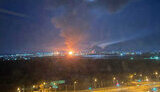
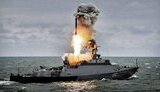
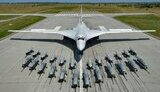
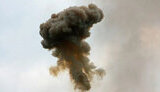
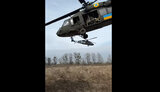
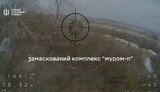
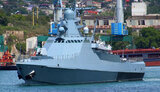
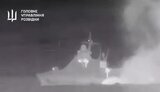
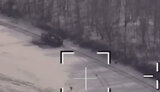
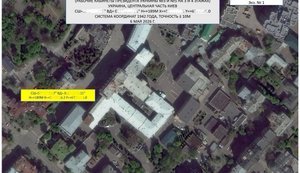
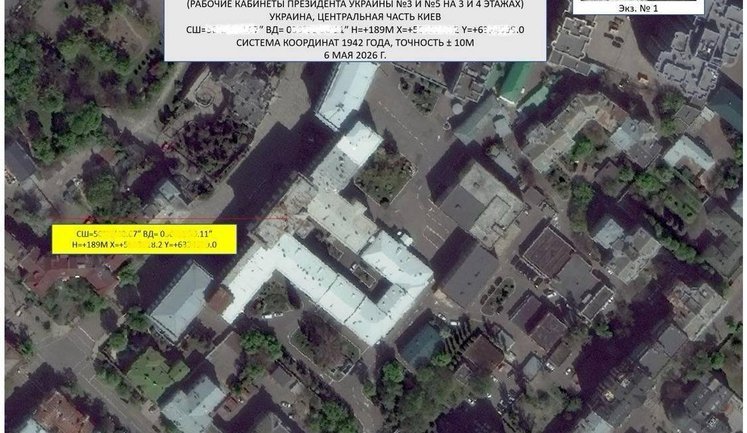
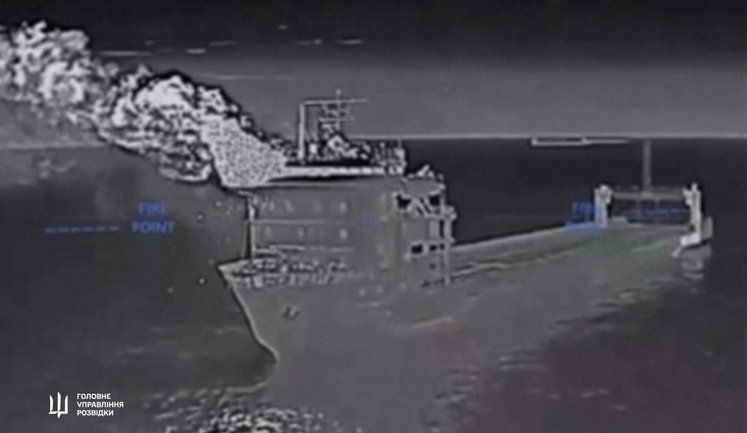
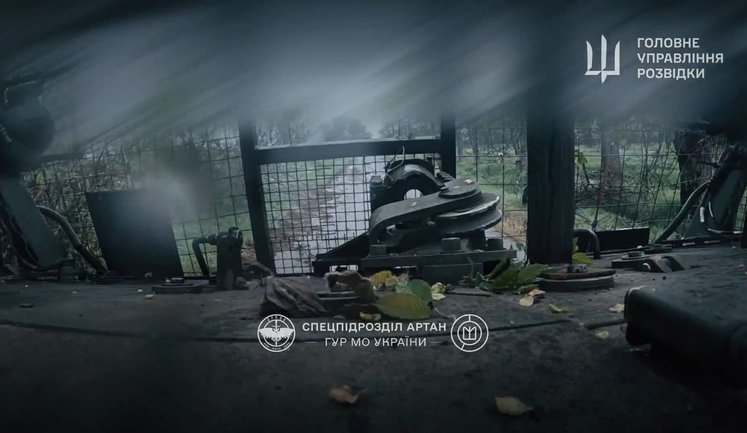
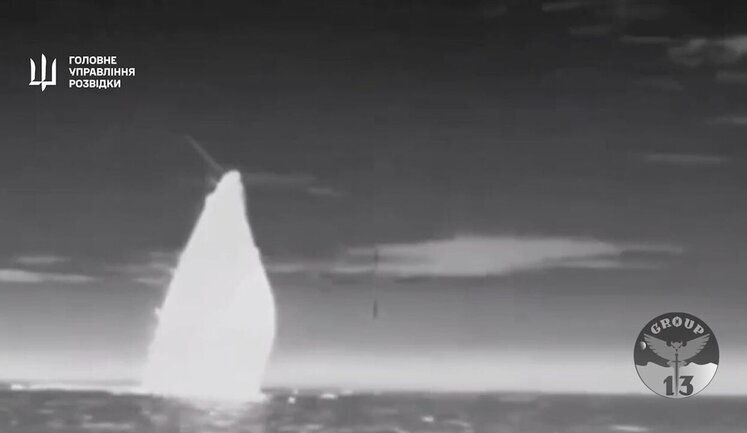
The Defense Intelligence of Ukraine (DIU) has been effectively targeting key enemy assets amid ongoing conflict. Recent highlights include a successful operation in Melitopol, where at least four ruscists were eliminated by an explosion. In occupied Crimea, the special forces unit "Prymary" destroyed multiple enemy air defense systems, underlining the unit's precision and capability. Additionally, a monument was unveiled to commemorate the "Baba Yaga" drone, a symbol of resilience. These actions, along with thwarted assassination attempts in Kyiv and strategic operations in Lipetsk, showcase the DIU's diverse and impactful initiatives. Utilizing advanced intelligence tactics, the DIU continues to disrupt and dismantle enemy operations, maintaining pressure on the occupiers and strengthening Ukraine's operational advantage on multiple fronts.
What are the key operations by the Defense Intelligence of Ukraine?
The Defense Intelligence of Ukraine (DIU) has conducted significant operations in occupied regions like Melitopol and Crimea, targeting enemy air defense systems, and conducting strategic assaults. Notable missions include attacks on Russian airfields, tactical eliminations in Melitopol, and thwarting planned assaults by enemy forces. Such operations are part of a broader strategy to weaken and dismantle opposition forces.
How is the DIU impacting the situation in Crimea?
The DIU has significantly impacted Crimea by executing precise strikes against Russian infrastructures, including air defense systems and radar installations. The special forces unit "Prymary" is instrumental in these operations, having successfully targeted enemy radar stations and aviation assets, thereby disrupting Russian military operations and boosting Ukrainian strategic advantage on the peninsula.
What role does intelligence play in Ukraine’s defense strategy?
Intelligence plays a vital role in Ukraine's defense strategy, providing actionable insights that inform military operations and strategic decisions. The DIU uses intelligence to identify enemy weaknesses and execute targeted strikes, thereby maximizing operational impact and minimizing collateral damage. Intelligence operations also uncover plots and tactics of opponents, enabling preemptive actions that safeguard Ukrainian interests.
Has the DIU been successful in preventing enemy operations?
The DIU has successfully thwarted numerous enemy operations, including assassination attempts and reinforced enemy positions. By leveraging tactical interceptions and real-time intelligence, the DIU prevents adversary advances, dismantles networks within occupied territories, and ensures operational readiness against enemy contingencies, thereby maintaining the upper hand in Ukraine’s defense scenarios.
What recent achievements has the DIU accomplished in occupied territories?
Recent achievements by the DIU in occupied territories include disrupting Russian communications, destroying high-value targets such as air defense systems and combat aircraft, and capturing strategic positions that enhance Ukraine's tactical advantage. These operations demonstrate the DIU's capability to perform complex missions under challenging conditions and continue to exert pressure on enemy forces in critical zones.
How does the DIU commemorate its successes and assets?
The DIU commemorates its successes and assets by honoring symbolic contributions, such as the unveiling of a monument to the "Baba Yaga" drone in the Kyiv region. This drone became emblematic of resistance and innovation, reflecting the DIU's commitment to recognize and celebrate key technological triumphs and their role in Ukraine's defensive efforts during the ongoing conflict.