9760 visitors online
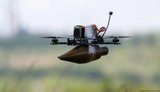
FPV drones are revolutionizing the battlefield in Ukraine. These drones enhance military tactics by providing real-time intelligence and precision strikes. The Ukrainian Armed Forces are slated to receive three million FPV drones by year-end, bolstering their operational capabilities. Conversely, Russia is adapting its drone tactics, using compact drones effectively in various offensives. The technology allows Ukrainian forces to strike with precision, reducing enemy capabilities and inflicting significant damage. This transformation is not only reshaping military strategies but also influencing drone market dynamics, as seen with the mass procurement and innovative applications like the fibre-optic guided drones. The drone warfare landscape continues to evolve rapidly.


How are FPV drones being used in the Ukraine conflict?

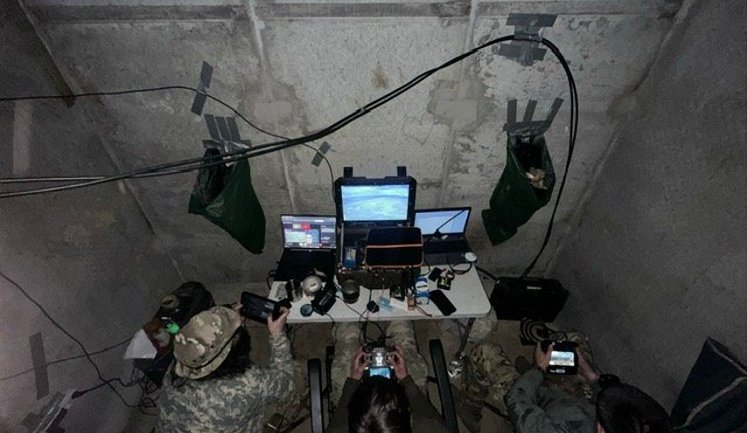
FPV drones are pivotal in Ukraine, providing critical advantages in real-time reconnaissance and targeted strikes. They enable precise destruction of enemy equipment and personnel, significantly altering combat strategies. Ukrainian forces employ these drones not just for intelligence gathering but also for executing rapid, precise attacks, reducing the need for traditional combat engagements. This efficiency in combat scenarios has made FPV drones essential in modern warfare tactics.

What impact do FPV drones have on modern military strategy?

FPV drones significantly impact military strategy by offering unprecedented precision and situational awareness. Their ability to provide real-time data and execute targeted strikes with minimal collateral allows commanders to make informed strategic decisions quickly. This technological edge enhances the lethality and efficiency of military operations, leading to a transformation in how wars are fought, emphasizing remote engagements over traditional ground assaults.

What advancements have been seen in FPV drone technology?

Recent advancements in FPV drone technology include enhanced real-time video transmission, extended operational range, and integration with fibre-optic systems. These improvements allow for more covert operations and precise targeting capabilities, making drones increasingly effective in complex warfare environments. The speed and maneuverability of FPV drones have also been enhanced, giving military forces unprecedented tactical flexibility and operational superiority.

How has the Ukrainian military integrated FPV drones into their operations?

The Ukrainian military has integrated FPV drones extensively across various frontline operations. These drones are used for reconnaissance, enabling units to gather intelligence about enemy positions and movements. Additionally, they are employed in direct assault roles, delivering precision strikes against high-value targets with minimal risk to personnel. The strategic deployment and increased procurement of FPV drones underline their importance in modern military doctrine.

What are the challenges faced with FPV drone technology in warfare?

Challenges with FPV drone technology in warfare include vulnerability to electronic warfare measures, limited battery life affecting operational range, and environmental obstacles that can interfere with signal transmission. Adapting to these challenges requires ongoing technological innovation to enhance drone resilience, signal reliability, and operational flexibility. Training operators to efficiently utilize these technologies is also crucial for maximizing their strategic potential in combat scenarios.

How does Russia’s use of drones compare to Ukraine’s in this conflict?

Russia's drone tactics involve using cost-effective and compact models, focusing on mass deployment and swarm tactics to overwhelm defenses. In contrast, Ukraine prioritizes high-tech FPV drones for precision targeting and reconnaissance, leveraging technological superiority to offset numerical disadvantages. These strategic differences highlight a shift towards more technologically driven warfare, where quality and innovation often outweigh sheer quantity.

What role do fibre-optic systems play in FPV drone operations?

Fibre-optic systems in FPV drone operations provide enhanced communication stability and signal integrity, crucial for executing covert and precise operations. These systems allow drones to maintain undetected, reliable connections over significant distances, facilitating real-time control and data transmission. This technological integration is vital for effective target reconnaissance and engagement, offering strategic advantages in challenging war zones where traditional communication methods might falter.

How are FPV drones changing the landscape of drone warfare?

FPV drones are transforming drone warfare by combining speed, manoeuvrability, and precision. Their ability to provide live-feed reconnaissance and execute precision strikes has made them indispensable in modern conflicts. This evolution facilitates new strategic and tactical doctrines focused on minimizing human risk while maximizing operational effectiveness, portraying a shift from conventional warfare to more technologically integrated combat scenarios.

What future developments are expected in FPV drone technology?

Future FPV drone developments are anticipated to include advancements in autonomous flight systems, artificial intelligence integration, and enhanced stealth capabilities. These features will improve operational efficiency and strategic versatility, enabling more complex mission profiles. Additionally, advancements in swarm technology could revolutionize how drones are deployed in coordinated, multi-target engagements, further evolving military and tactical paradigms in modern warfare.

show details

TOP news fpv-drone

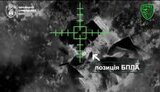
Soldiers of the 63rd separate mechanised brigade "Steel Lions" destroy occupiers and enemy equipment Eliminated and captured occupiers, tank, armored vehicle, artillery, mortars and over 1,000 FPV drones: 63rd SMB in action. VIDEO In the Lyman sector, soldiers of the 63rd Separate Mechanized Brigade (SMB) "Steel Lions" summed up their achievements for August and showcased the effective destruction of Russian equipment and manpower. 2 680 1 Previously in trend: Destruction of Russian equipment

Elimination of enemies near Pokrovsk Hot spot near Pokrovsk: Freedom Force drone operators share footage of occupiers being eliminated. VIDEO Drone operators from the 4th Battalion of the Freedom Force of the National Guard’s "Rubizh" Brigade have shared footage of a lively rout of Russian occupiers, complete with dramatic special effects. 4 796 2 Previously in trend: Destruction of the occupiers’ firing positions

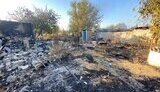
Удар по Куп’янську 13 червня Russian FPV drone strike on Kupiansk injures civilian man and two policemen. PHOTOS Yesterday, 13 June, Russian occupiers launched an FPV drone strike on Kupiansk in the Kharkiv region, wounding two police officers and a civilian. 718 0 Previously in trend: Russian aggression against Ukraine

Southern Defense Forces on situation at front Enemy in south used almost 300 FPV drones in past 24 hours, conducted engineering and aerial reconnaissance - Defense Forces The operational situation in the south of Ukraine remains stably tense, the composition and nature of the enemy's actions remain unchanged, and no signs of offensive groups have been detected, 351 0

Destruction of Russian equipment and occupiers’ positions 3rd SAB strike drones destroy Russian equipment, positions and personnel. VIDEO Fighters of the FPV unit of the 3rd Assault Brigade of the Armed Forces of Ukraine have released footage showing the destruction of multiple enemy targets. 1 371 1 Previously in trend: Destruction of Russian equipment

Aftermath of Russian drone attack in Nikopol district One injured in Russian FPV drone strike on Nikopol district – RMA On the evening of July 7, a Russian FPV drone injured a man in the Marhanets community of the Nikopol district. 341 1 Previously in trend: Shelling of the Nikopol district

Page 4 of 4