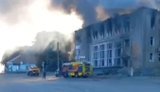
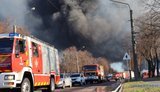
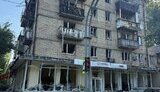
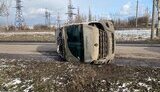
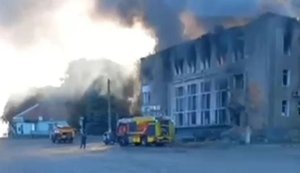
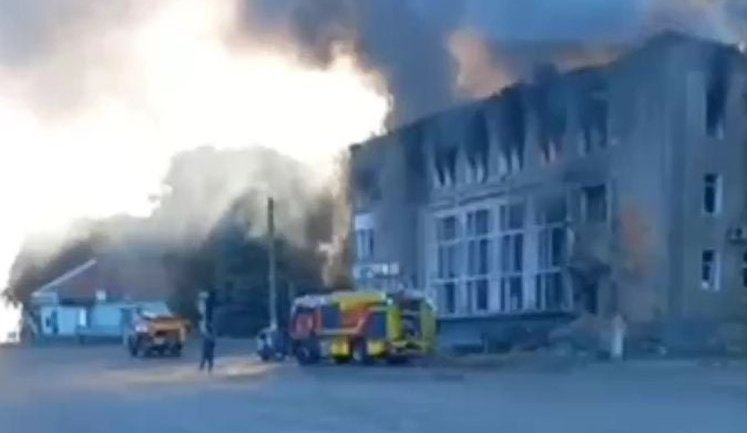
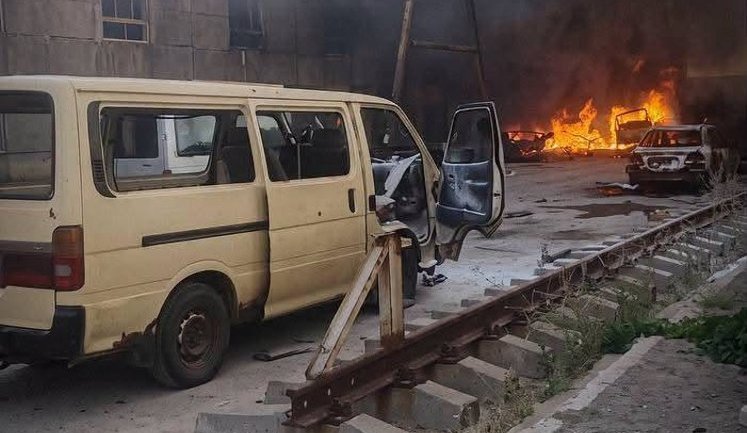
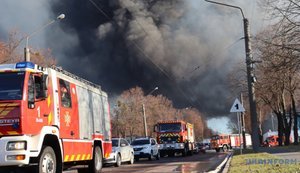
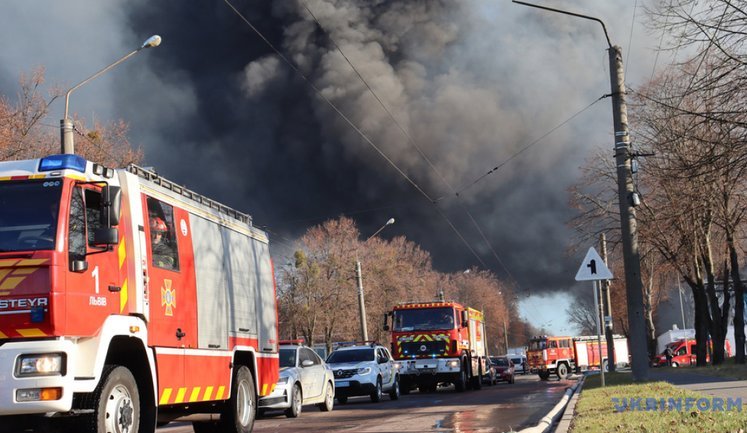
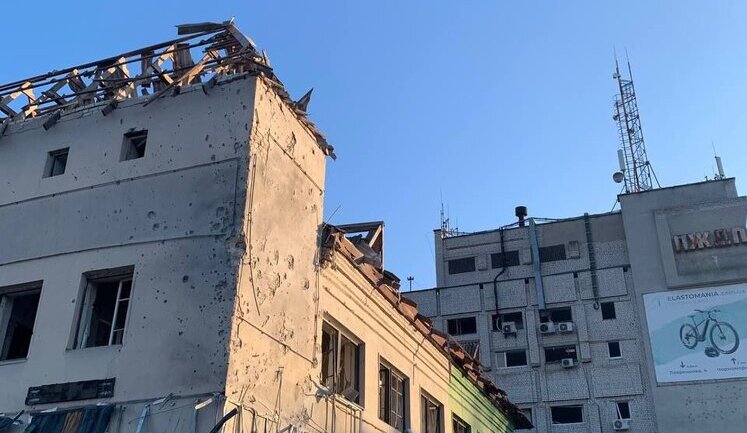
Ukrposhta, the national postal service of Ukraine, has faced numerous attacks by Russian forces, severely affecting operations and causing human casualties. In recent months, facilities in Mena and Kramatorsk have been struck, with significant damages reported. A recent missile attack on a sorting depot in Pavlohrad resulted in the tragic death of two employees. Additionally, drone attacks on mobile branches across the Chernihiv and Donetsk regions further compound the challenges faced by Ukrposhta amid conflict. A severe incident near Komyshuvakha inflicted additional stress on personnel and infrastructure. These repeated assaults underline the challenges to postal services in war-torn areas, impacting daily operations and affecting civilian access to essential services.
What is the current status of Ukrposhta in conflict zones?
Ukrposhta continues to operate amidst challenges, prioritizing staff safety and service continuity. Recent attacks have disrupted several branches, but efforts are underway to maintain operations where safe.
How have recent attacks on Ukrposhta impacted services?
Recent attacks have led to temporary closures and operational hurdles, including damage to infrastructure and casualties. These incidents have affected delivery timelines and access to postal services in impacted areas.
Where have recent attacks on Ukrposhta been reported?
Recent attacks have targeted Ukrposhta branches and facilities in regions such as Mena, Kramatorsk, Pavlohrad, Chernihiv, and the Sumy region. These locations have seen significant damage and operational challenges.
What measures are being taken to protect Ukrposhta staff?
Efforts include enhancing safety protocols, diverting services to safer locations, and providing staff with necessary resources to handle emergencies. Ongoing assessments aim to improve safety measures across all facilities.
What impact do these attacks have on local communities relying on Ukrposhta?
The attacks disrupt critical mail and parcel deliveries, banking, and payment services, impacting local economies and citizens' daily lives. Community resilience is being tested as alternative solutions are sought.
What support is available for Ukrposhta workers affected by these events?
Support includes counseling services, medical aid, and potential reassignment to safer duties. Ukrposhta is coordinating with local authorities to manage worker safety and welfare effectively.
How can customers access Ukrposhta services during disruptions?
Customers are advised to use online services, where available, and to check updates on operational status through the Ukrposhta website or contact centers to avoid affected regions when possible.