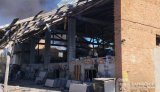
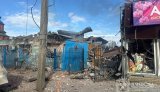
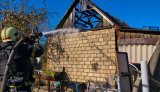
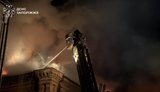
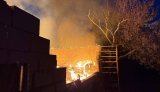
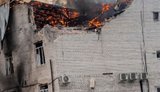
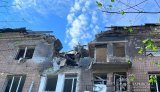
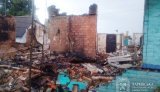
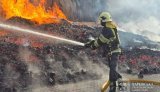
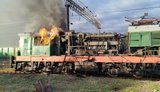
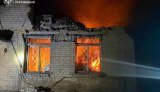
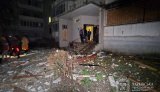
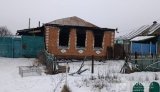
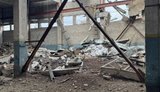
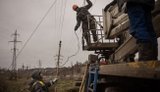
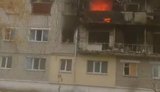
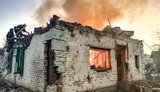
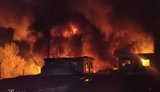
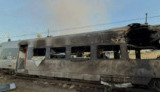
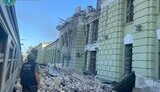
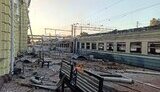
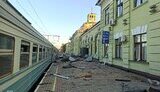
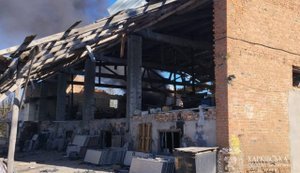
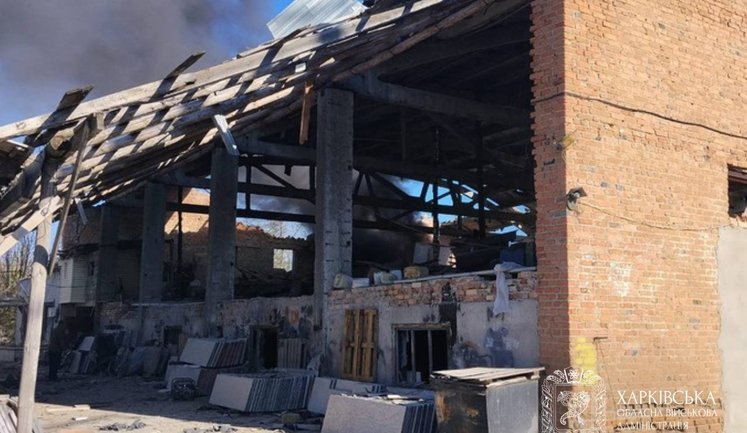
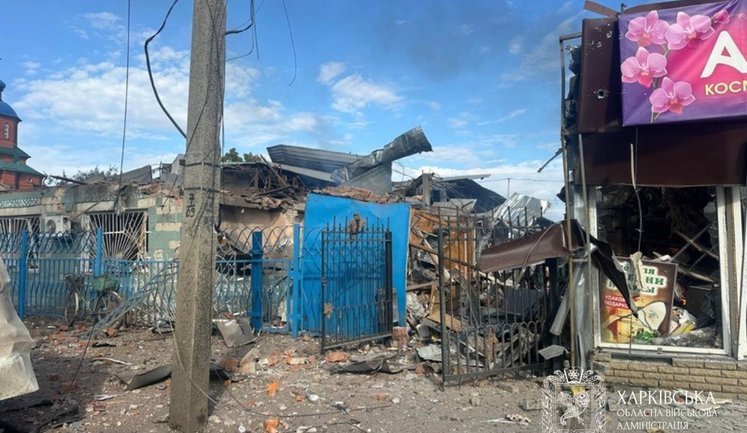
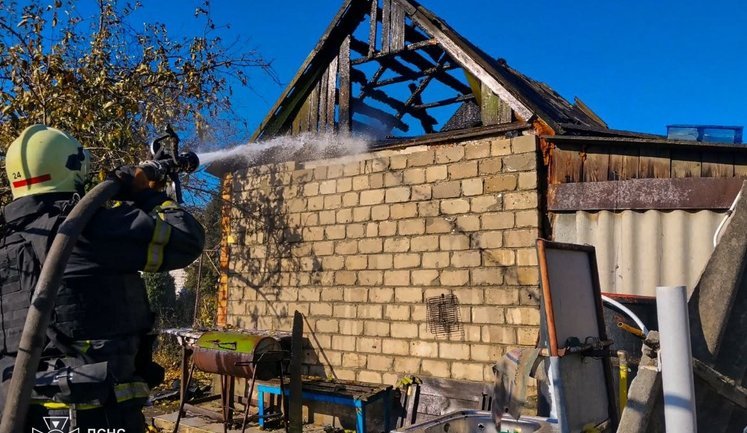
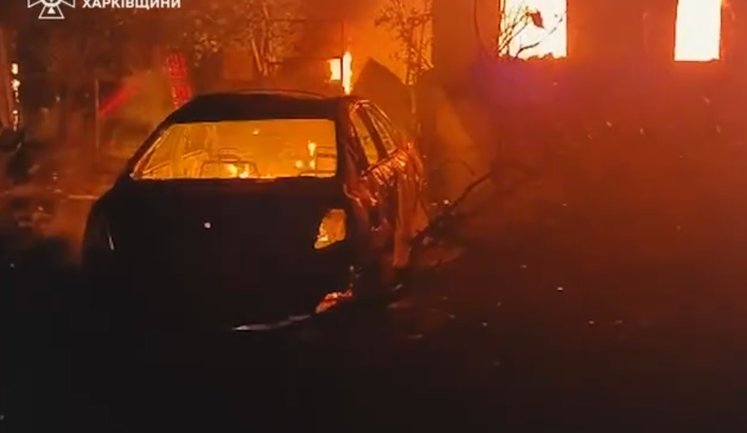
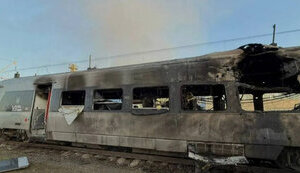
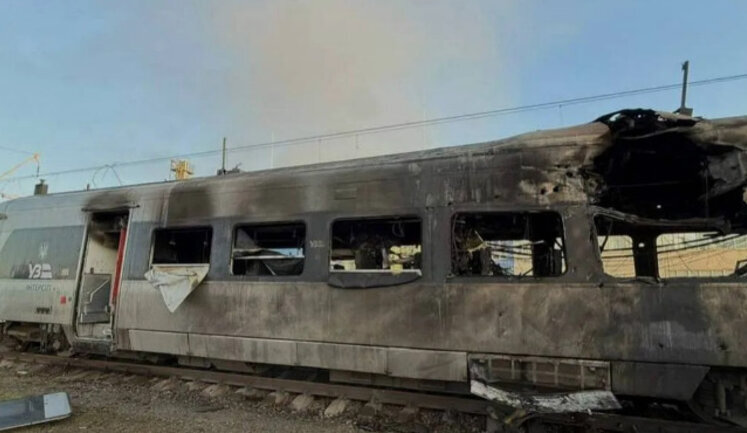
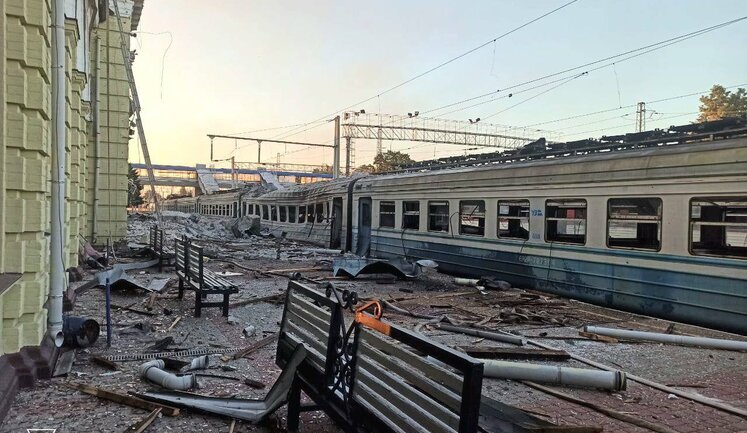
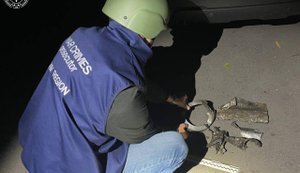
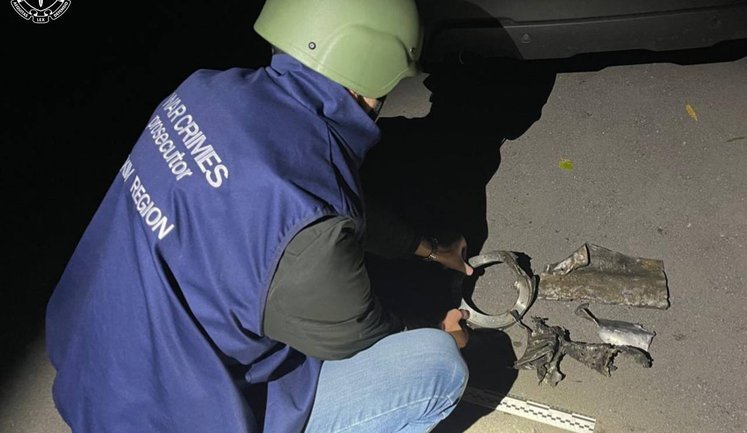
The town of Lozova in the Kharkiv region of Ukraine has been a focal point of repeated assaults by Russian forces. Recent events highlight the dire situation in this district, with notable incidents involving drone strikes and missile attacks. On October 12, a fatal drone strike in a residential area resulted in the death of a woman and injuries to seven others, including a child. Such attacks have become increasingly frequent, with significant impacts on both civilians and infrastructure. Reports indicate that energy and transport facilities have particularly suffered, leaving many residents without essential services. Ukrainian President Zelenskyy has condemned these acts, interpreting them as Russia’s intent to escalate the conflict. The international community is urged to respond and support Ukraine during this critical time.
What is the current situation in Lozova, Kharkiv region?
The situation in Lozova is tense and dangerous due to continuous Russian attacks. The region has faced significant destruction with casualties and injuries reported regularly. Local infrastructures, such as energy and transport facilities, have been severely affected, leaving residents in critical conditions. The Ukrainian government and international allies are working to provide necessary aid and protection to the civilians affected by these persistent assaults.
How often is Lozova attacked by Russian forces?
Lozova has frequently been a target in the ongoing conflict, with numerous attacks documented over the past months. The strikes include the use of drones, missiles, and artillery, affecting both residential and infrastructural areas. Such attacks result in civilian casualties and damages, making the situation on ground increasingly precarious and overwhelming for the local populace.
What kind of weapons are used in attacks on Lozova?
Russian forces have utilized a variety of weapons in their attacks on Lozova, including drones, aerial bombs, missiles, and artillery. These have targeted and damaged residential areas, energy facilities, and infrastructure, causing civilian casualties and significant disruption to essential services. The diversity and intensity of these weapons indicate a deliberate strategy to destabilize the region.
Are civilians the main targets in the Lozova attacks?
Although military objectives have been targeted, civilian areas and infrastructure have frequently been struck, leading to significant civilian casualties and suffering. Residential sectors, energy facilities, and critical infrastructure have been heavily damaged, illustrating a disturbing pattern of attacks against non-military targets, causing widespread distress among the local population.
What international reactions are there to the Lozova attacks?
The international community has expressed concern over the repeated attacks on Lozova and the broader implications for regional stability. Global leaders, including those from Ukraine, have condemned these assaults and called for immediate action to support affected populations. Efforts are being made to hold Russia accountable for these aggressive actions and to mitigate the humanitarian impact on civilians.
What measures are being taken to aid the Lozova residents?
Efforts to aid residents include the provision of humanitarian assistance, medical support, and restoration of critical services like electricity and heating. Ukrainian authorities, with international partners' support, are actively working to ensure that the affected populations receive the necessary aid. Despite the challenges, these efforts aim to alleviate the hardships faced by the residents amidst ongoing tensions.
How has the local infrastructure been affected by the attacks?
The local infrastructure in Lozova has been hit hard, with substantial damage reported to energy facilities, transport hubs, and residential buildings. As a result, many residents face power and heating shortages. This extensive damage has heightened the region's humanitarian challenges, particularly as the community braces for more potential attacks.
Are there any recent developments in security for Lozova?
Security measures have been intensified, with Ukrainian forces actively working to defend Lozova and its surrounding areas. Efforts include strengthening air defenses and increasing surveillance to anticipate and mitigate future attacks. Despite these efforts, the continuous state of conflict remains challenging for local authorities dedicated to ensuring civilian safety and stability.