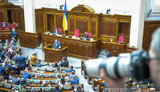
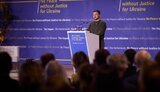
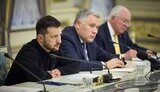
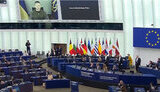
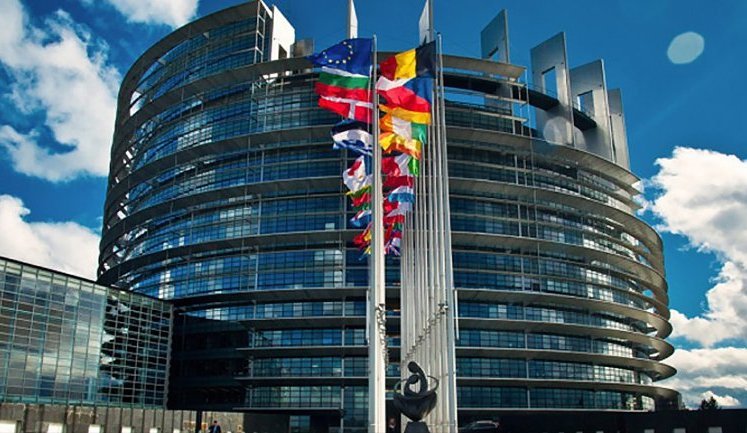
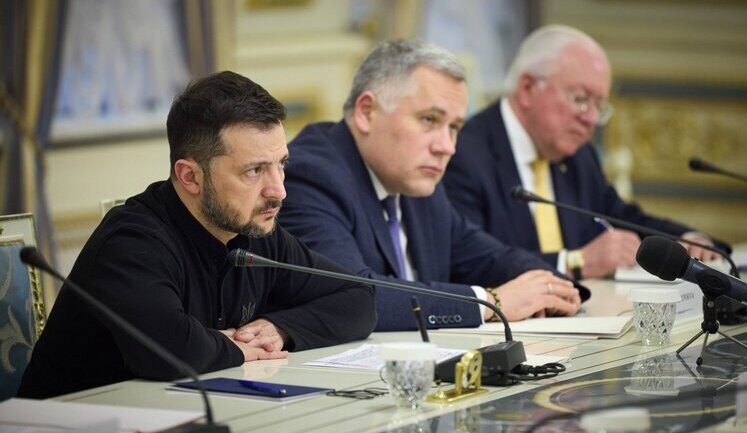
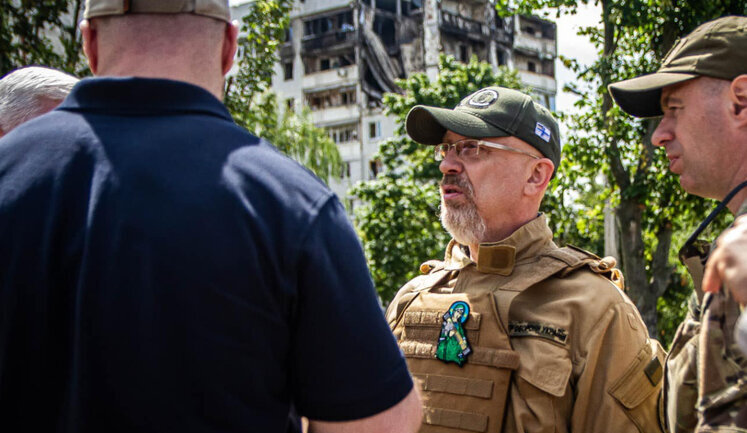
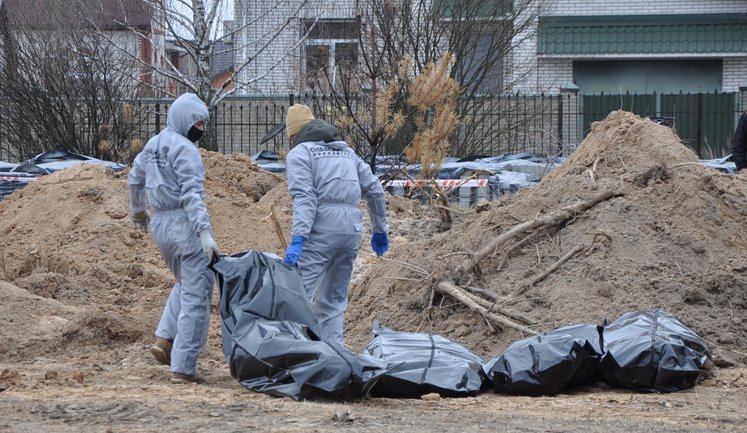
Efforts to establish a Special Tribunal to prosecute crimes of aggression by the Russian Federation against Ukraine are gaining traction. Austria has recently joined a coalition of 20 countries supporting this initiative. Ukrainian President Volodymyr Zelenskyy is actively engaging with international bodies to accelerate the tribunal's creation, emphasizing its importance for justice and accountability. The European Union and Council of Europe are pivotal in driving this effort, highlighting its role in mitigating future conflicts. Dutch and Norwegian leaders echo the urgency, focusing on the tribunal as a response to Russian war crimes.
Why is there a push to establish a special tribunal against Russia?
The push for a special tribunal against Russia stems from the need to prosecute crimes of aggression committed during the invasion of Ukraine. This tribunal aims to hold Russia accountable at an international level, offering a platform for justice that parallels historical trials like Nuremberg. By establishing a tribunal, participating nations seek to prevent future aggression and uphold international law.
What role does the European Union play in establishing the tribunal?
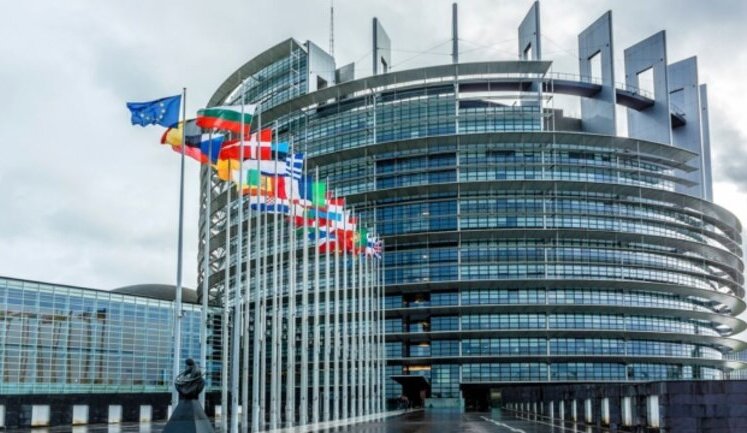
The European Union plays a significant role in supporting the establishment of a special tribunal. Through collaborative discussions with Ukraine and the Council of Europe, the EU frames the tribunal as a critical tool for accountability. This effort is complemented by EU leaders advocating for accelerated progress and ensuring broad international cooperation to bring Russian leaders to justice for their actions in Ukraine.
How many countries are currently supporting the tribunal initiative?
Currently, 20 countries have joined the initiative to establish a special tribunal for Russian aggression against Ukraine. This growing coalition reflects a collective effort from the international community to address the legal and moral ramifications of Russia's actions, emphasizing the importance of comprehensive international justice frameworks to address such large-scale aggression.
What is the Ukrainian government's stance on the tribunal?
The Ukrainian government, led by President Zelenskyy, strongly supports the establishment of a special tribunal to address crimes committed by Russia. The administration views the tribunal as essential in the pursuit of justice for the Ukraine conflict and actively collaborates with international partners to expedite its creation, ensuring that those responsible for war crimes are held accountable.
What challenges does the tribunal face in its establishment?
The establishment of a special tribunal faces several challenges, including securing widespread international support and cooperation from influential countries. Additionally, navigating geopolitical tensions and resistance from Russia, which refuses to acknowledge the tribunal's legitimacy, further complicates the tribunal's creation. Overcoming these obstacles requires ongoing diplomatic efforts and strategic alliances across international borders.