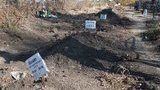
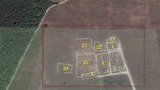
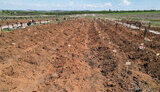
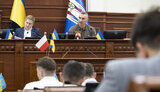
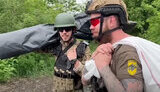
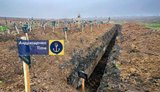
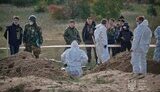
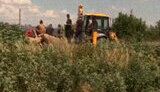
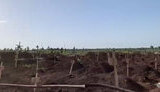
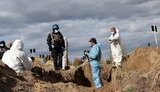
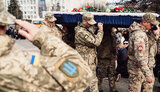
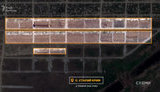
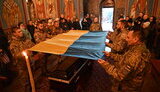
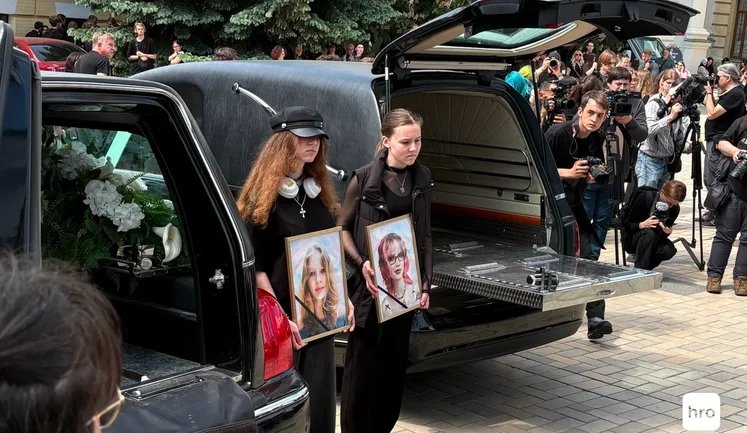
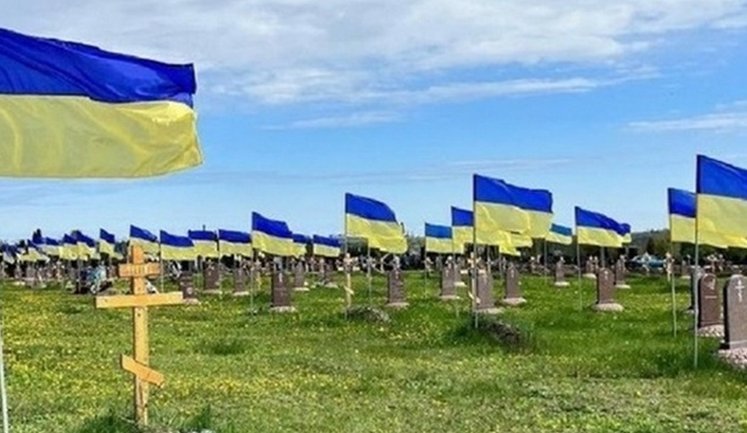
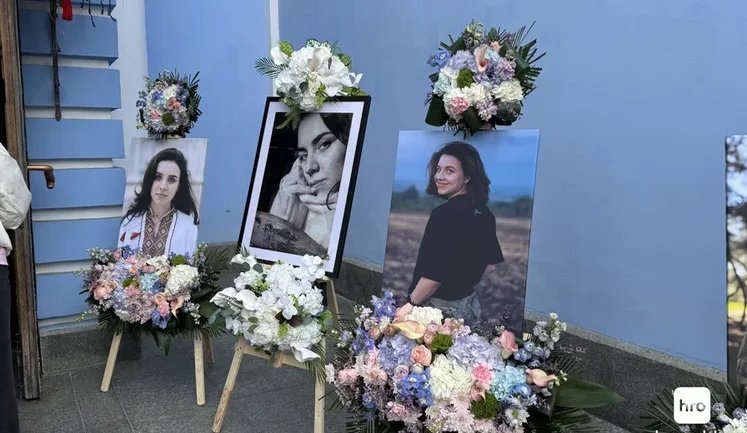
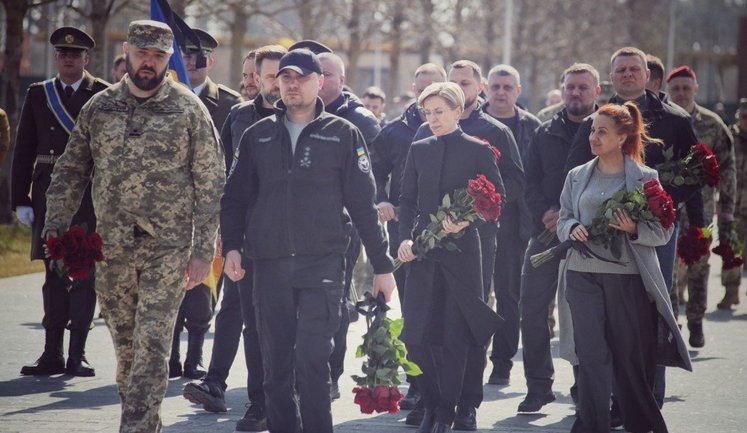
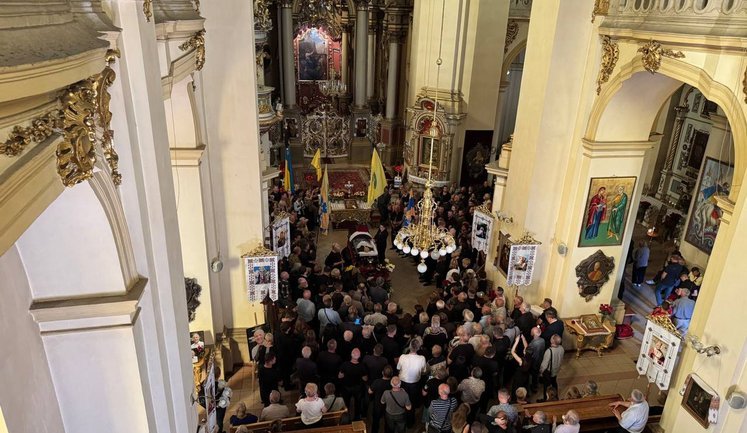
The topic of burials remains significant as ongoing efforts to locate graves from past tragedies, military burials at memorial cemeteries, and emerging mass graves in occupied regions continue. Notably, search operations in Volyn aim to find graves from the 1943 tragedy. Meanwhile, unidentified defenders are laid to rest with honors, reflecting the human cost of conflict. Tragic reports from areas like Mariupol emphasize the persistent discovery of mass graves. As burials take place, such as in Kyiv and Lviv, the ceremonies serve not only to honor fallen heroes but also to document the brutal realities of war. Despite the cruelty of war, these rituals affirm respect for life and the memory of those lost.
What is the significance of burial searches in Volyn?
The burial searches in Volyn aim to locate graves from past conflicts, specifically the 1943 tragedy in the destroyed villages of Ostrivka and Volia Ostrovetska. This search involves Ukrainian and Polish experts and is part of an effort to preserve history and honor the victims. These efforts also highlight the cooperation between nations to acknowledge and remember historical events that had a significant impact on local communities and beyond.
Why are military burials important in Ukraine?
Military burials in Ukraine are crucial for honoring the service and sacrifices of soldiers and law enforcement who lost their lives due to war and conflict. These ceremonies not only pay respects to valor and bravery but also provide closure for families, reinforcing national unity and remembrance. Holding services with full honors reflects societal gratitude and ensures that fallen defenders are remembered and acknowledged for their contributions to maintaining peace and freedom in Ukraine.
How are mass graves in occupied areas identified?
Mass graves in occupied areas are identified through combined efforts of local authorities, international organizations, and technologies such as satellite imagery. Investigations like those in Mariupol involve the collection of testimonies, local reports, and ground surveys to document these sites. The discovery and documentation of mass graves are vital for humanitarian purposes and serve as evidence for potential war crime investigations, ensuring accountability and justice for the victims.
What challenges do burial operations face in conflict zones?
Burial operations in conflict zones face challenges such as ongoing hostilities, restricted access to sites, and the need for protective measures to ensure safety during operations. Additionally, identifying remains in mass graves requires forensic expertise, technological support, and international cooperation to navigate logistical and legal complexities. These efforts are vital to honor victims and provide closure to families while maintaining historical records and accountability for conflicts.
How can international cooperation aid burial searches in Ukraine?
International cooperation can aid burial searches in Ukraine by providing forensic expertise, technological resources, and logistical support. Collaborative efforts, such as those between Ukrainian and Polish experts, enhance the thoroughness and accuracy of identifying and documenting graves. Partnerships with organizations ensure adherence to international standards, facilitating humanitarian and legal responses, and helping preserve historical records while fostering reconciliation and healing in affected communities.