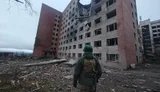
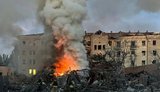
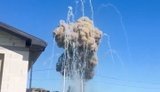
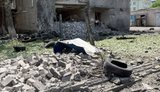
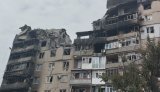
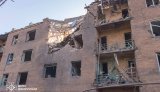
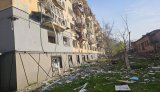
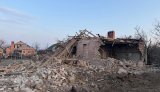
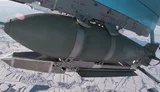
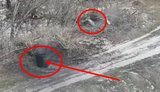
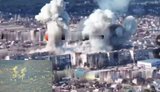
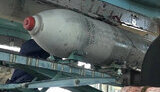
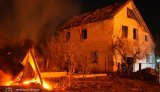
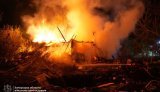
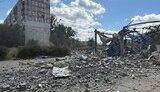
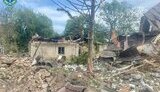
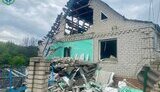
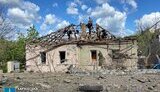
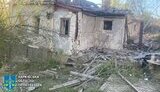
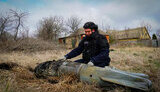
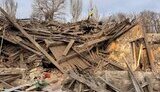
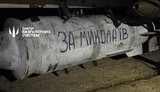
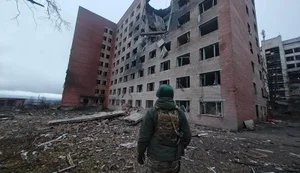
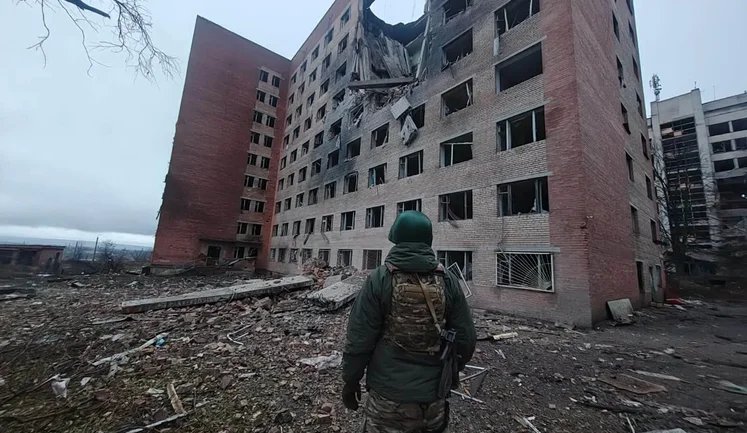
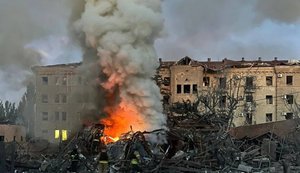
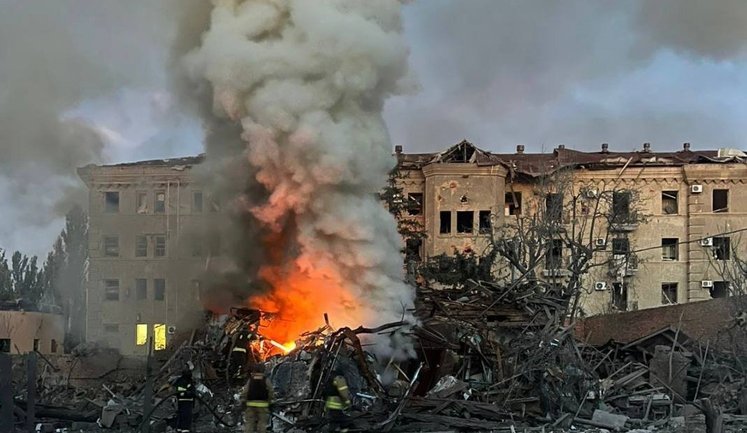
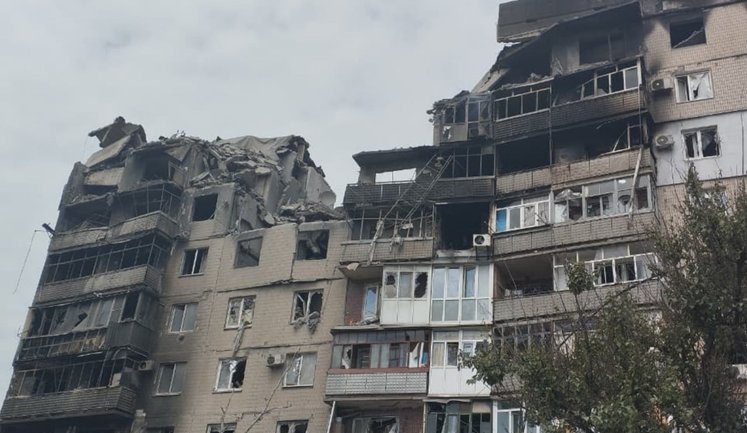
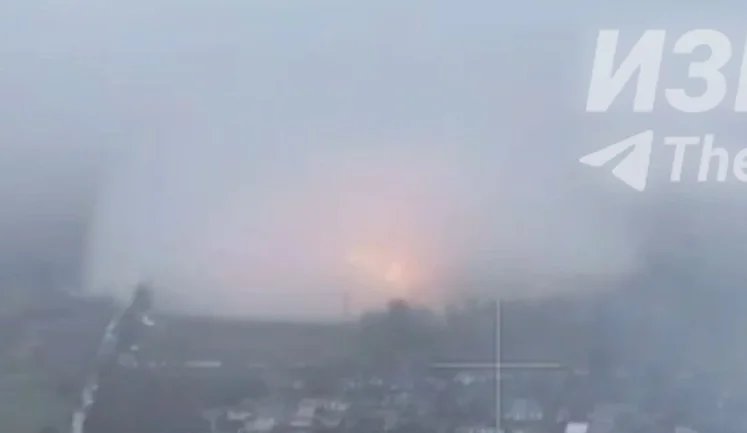
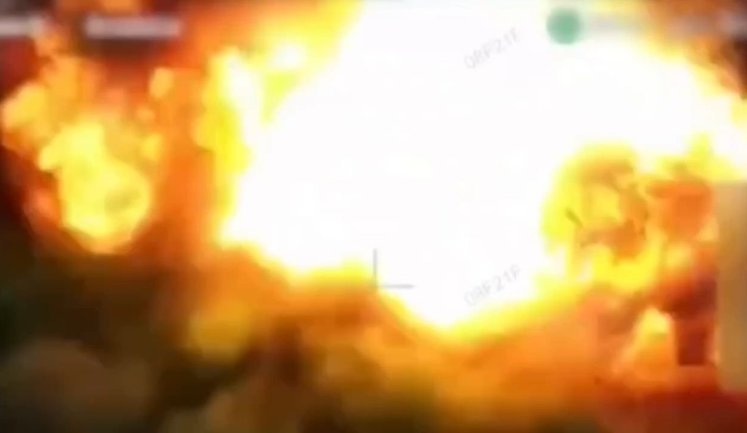
The use of Russian FAB-500 bombs in Ukraine has led to significant destruction and loss of life. In Sloviansk, a recent attack with these aerial bombs injured four civilians. Meanwhile, in Druzhkivka, a similar strike resulted in three fatalities and two injuries. In Belgorod, new footage of powerful explosions surfaced, highlighting the ongoing conflict. Ukrainian drone operators have demonstrated remarkable precision by using enemy bombs to target Russian infantry positions effectively. The bombings emphasize the severe humanitarian impact and highlight the resilience of Ukrainian defense forces amidst ongoing Russian aggression.
What is the impact of FAB-500 bombs on civilian areas?
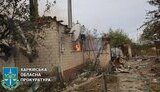
The detonation of FAB-500 bombs in civilian areas results in substantial damage to infrastructure, homes, and results in civilian casualties. Recent strikes in Ukraine have wounded civilians, destroyed residential areas, and even caused flooding when infrastructure like dams is targeted. These attacks underscore the severe and indiscriminate nature of aerial bomb warfare.
How are FPV drones being utilized in the conflict?
FPV drones are being employed by Ukrainian forces to target and neutralize unexploded munitions, such as FAB-500 bombs, turning them into explosive devices against enemy troops. Videos have shown such drones detonating these bombs near Russian positions, showcasing their precise and tactical application in modern warfare rather than traditional aerial bombings.
What measures are being taken to defuse unexploded FAB bombs?
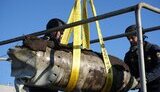
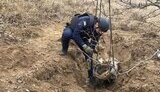
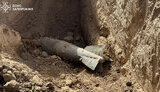
The State Emergency Service (SES) in Ukraine is actively involved in defusing unexploded Russian FAB bombs to prevent further destruction and casualties. Engineers and sappers conduct these delicate operations, ensuring safety in affected areas and allowing for restoration and repair work to proceed unimpeded by the threat of untriggered explosives.
In which regions have FAB bomb attacks been most frequent?
FAB bomb attacks have been frequently reported in the Donetsk region, particularly in cities like Sloviansk, Druzhkivka, and Kramatorsk. These regions have seen numerous airstrikes resulting in significant humanitarian and infrastructural impact. The volatile situation demands constant vigilance and a robust defensive strategy from Ukrainian forces to mitigate further damage and protect civilians.
How are Ukrainian defenses responding to these airstrikes?
Ukrainian defense forces are actively responding to airstrikes by employing tactical countermeasures, including using UAVs and drones for surveillance and direct tactical strikes. They also utilize intelligence to target and strike Russian supply lines and munition depots, attempting to weaken the enemy's capability and prevent further bombings. Moreover, civilian protection through rapid response and evacuation programs is also a critical component of their defensive strategy.