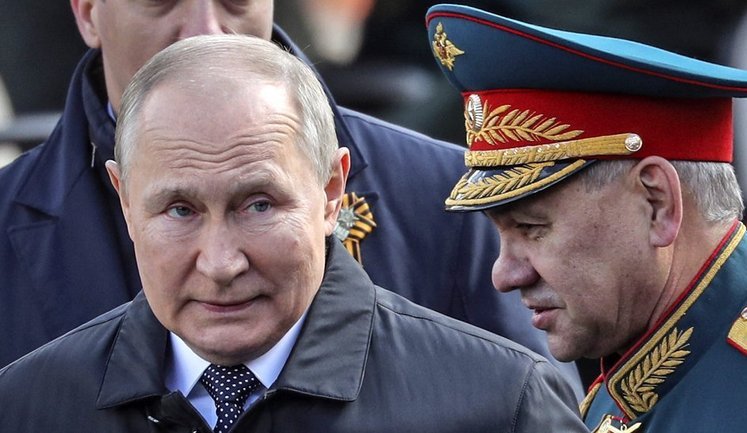
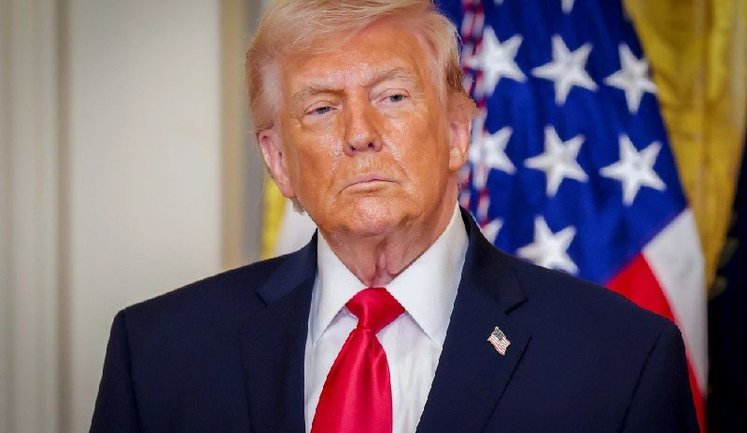
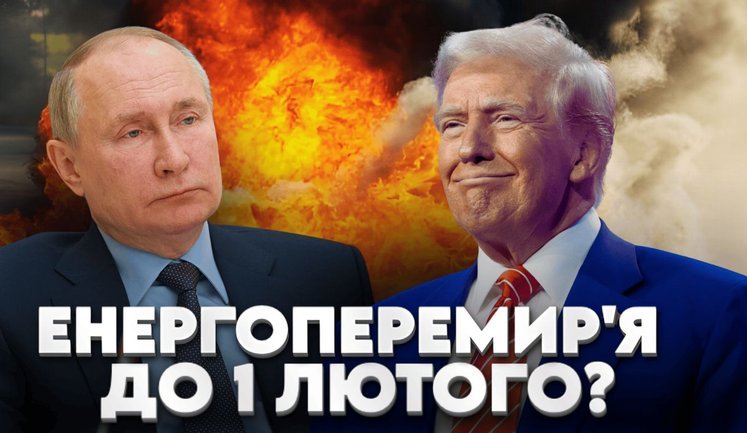
Truce discussions have become pivotal amid ongoing conflicts, with key players like Ukraine, Russia, and the U.S. at the forefront of negotiations. On May 9th, Russia's proposed ceasefire for a military parade reflects a tactical move by Putin. Meanwhile, U.S. President Trump has engaged in talks with Putin, suggesting a "small ceasefire" with Ukraine. Iran's conditions for a truce highlight the complexity of Middle East peace efforts. Despite calls for ceasefire, violations like the Ukrainian evacuation group's attack have been reported. As geopolitical tension rises, the world watches these truce talks closely, emphasizing strategic military pauses and diplomatic maneuvers.
What are the implications of a ceasefire between Ukraine and Russia?
A ceasefire between Ukraine and Russia could temporarily halt hostilities, allowing humanitarian aid and potentially opening the door for more substantial peace talks. However, skepticism remains due to past ceasefires where violations quickly reignited conflicts.
Why did Russia propose a ceasefire on May 9th?
Russia's proposed ceasefire on May 9th aligns with its Victory Day celebrations. Analysts suggest this is a strategic pause allowing Russian military parades to proceed without interruption, reflecting political symbolism over genuine peace efforts.
How has President Trump intervened in the Ukraine-Russia conflict?
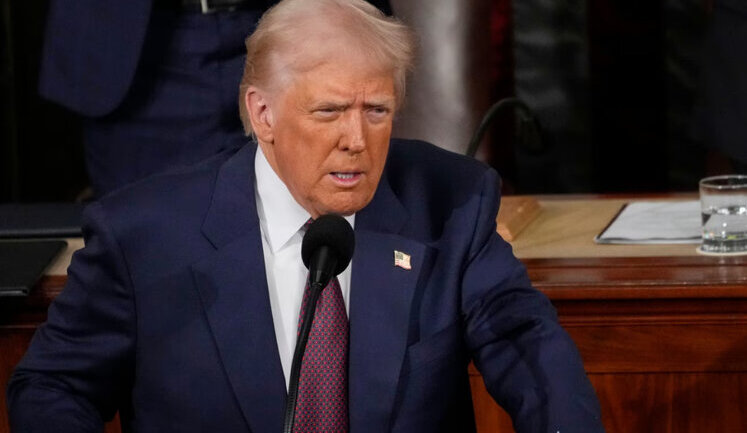
President Trump has actively engaged in diplomatic dialogues with Russian leader Putin, proposing a "small ceasefire" in Ukraine. This intervention underscores U.S. involvement in seeking temporary military halts while maintaining geopolitical influence.
What conditions has Iran set for a ceasefire with the U.S.?
Iran demands the lifting of the naval blockade and a cessation of hostilities from Israel as preconditions for a ceasefire with the U.S. These conditions highlight Iran's strategic positioning and concerns over regional security dynamics.
How does the Easter truce affect Ukrainian defense strategies?
The Easter truce sees Ukraine prepared to reciprocate a ceasefire if observed by Russia. This truce allows Ukraine to refocus on preparing defensive measures while maintaining readiness to respond to any renewed Russian aggression.
Have ceasefire attempts been successful in the Middle East?
Ceasefire attempts in the Middle East, including those involving Iran and the U.S., have seen limited success. While temporary truces occur, recurring violations and unresolved political tensions often lead to resumptions in conflict.