ENG




12270 visitors online
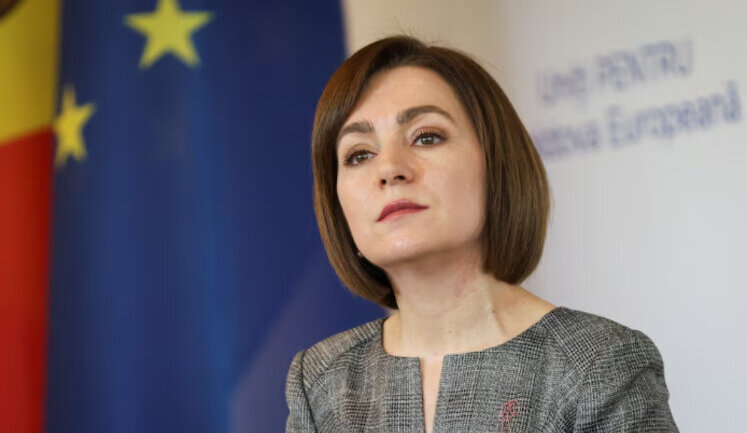
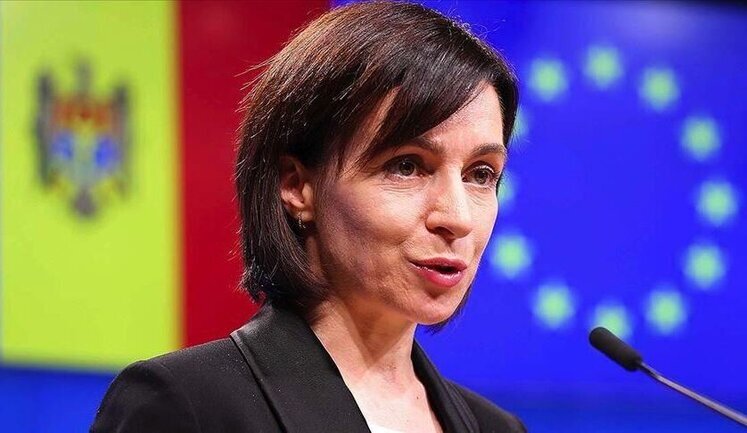
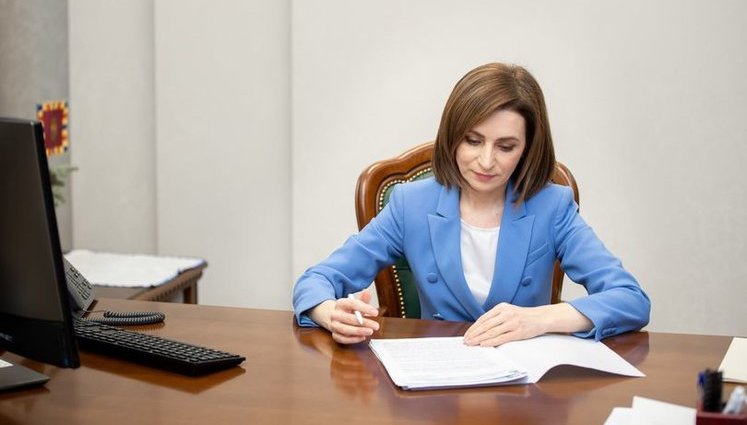
Moldovan President Maia Sandu has consistently advocated for increased economic pressure on Russia to compel negotiations and end the ongoing conflict. Sandu emphasizes the crucial role Ukraine plays in keeping Russian forces at bay, allowing Moldova to seek peaceful resolutions in Transnistria. Additionally, she stresses the importance of Moldova's integration into the European Union, underlining it as a security guarantee against Russian threats. Sandu's leadership has been pivotal in strengthening Moldova's alliances with Ukraine and Romania, ensuring the country's political and economic stability amid regional tensions.
What is Maia Sandu's stance on Russia's involvement in the war?
Maia Sandu believes that Russia is not genuinely interested in peace negotiations and has called for increased economic pressure from Ukraine and its allies to force Russia to the negotiating table. She condemns Russia's military aggressions, viewing them as a serious threat to regional stability.
How has Maia Sandu responded to security threats from Russia?
Sandu has responded to security threats by bolstering Moldova's alliances with Ukraine and Romania. She supports increasing Moldova's cooperation with the EU and emphasizes the need for a collective response to Russian aggression, ensuring that Moldova stays aligned with pro-European forces.
What measures is Sandu advocating for Moldova's integration into the EU?
Maia Sandu is actively pushing for Moldova's accession to the European Union, emphasizing that this is vital for the country's security and economic prosperity. She expects the EU accession talks to finalize by 2027 and iterates the significance of Moldova aligning with EU standards and reforms.
How does Sandu view Moldova's relationship with Ukraine regarding the Transnistrian conflict?
Sandu values Ukraine's role in maintaining a buffer against Russian influence, which allows Moldova the opportunity to focus on a peaceful resolution to the Transnistrian conflict. She considers the cooperation with Ukraine essential for regional stability and expresses gratitude for Ukraine's defensive actions.
What is Sandu's opinion on the role of Moldova in regional security?
Maia Sandu sees Moldova as a crucial part of the regional security framework. She understands that Moldova's security is intertwined with Ukraine's stability and stresses the importance of alliances with neighboring countries following international law to safeguard peace and security in the region.
How does Maia Sandu address internal political challenges?
Sandu's leadership focuses on strengthening pro-European forces within Moldova, reflecting in her party's significant electoral successes. She addresses internal challenges by advocating for democratic values, reform policies, and closer ties with European institutions to ensure Moldova's political alignment is consistent with EU aspirations.
What are Sandu's views on Moldova's role in the EU's economic landscape?
Maia Sandu envisions Moldova as an integrated part of the EU's economic system, asserting that joining the EU is crucial for accessing broader markets and investment opportunities. She advocates for economic reforms and international cooperation to elevate Moldova's economic position within Europe.
What steps has Sandu taken to address energy issues in Moldova?
Sandu has accused the Kremlin of provoking energy crises in regions like Transnistria by manipulating gas supplies. Her administration focuses on diversifying energy resources and seeking EU support to mitigate energy dependence on Russia, aiming for sustainable solutions and stable energy security.
How does Sandu propose to handle Russian military threats?
Sandu proposes handling Russian military threats through increased international collaboration for security assurances, enhancing Moldova's defense capabilities in partnership with its allies. She stresses the importance of diplomatic efforts at international forums and rallying EU support for military aid to Ukraine, which indirectly secures Moldova's borders.
What is Maia Sandu's position on Moldova's national language policy?
Under Sandu's presidency, Moldova has transitioned from the "Moldovan" to "Romanian" as the state language, signaling a strong cultural and political alignment with Romania and the European Union. This policy reflects her strategy to fortify national identity and cohesion with broader European integration efforts.
News Maia Sandu
 Moldova ready to receive new influx of refugees from Ukraine in winter – Sandu Moldova is ready to receive a new influx of refugees if Ukraine faces a severe humanitarian situation this winter. 916 1 Previously in trend: Relations between Ukraine and Moldova Ukrainian refugees
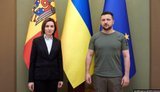 Sandu honours Zelenskyy with country’s highest award: "While Ukraine is fighting there, in east, Moldova can sleep peacefully" The Order of the Republic, Moldova’s highest state decoration, was presented to Ukrainian President Volodymyr Zelenskyy by the country’s President Maia Sandu. 2 423 27 Previously in trend: Relations between Ukraine and Moldova
 Kyiv is ready to strengthen security of Moldova and Romania – Zelenskyy President Volodymyr Zelenskyy said that Ukraine is ready to help Moldova and Romania strengthen their security capabilities. 2 396 36 Previously in trend: Relations between Ukraine and Moldova
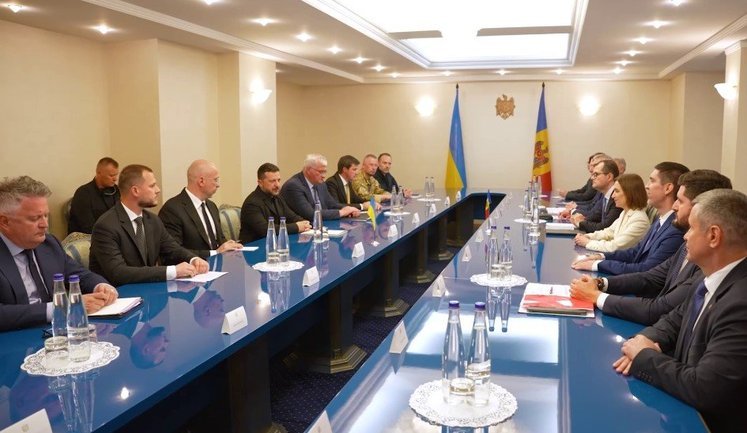
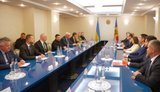 Zelenskyy meets with Sandu in Chișinău: We are working to ensure greater security, energy and infrastructure capabilities. VIDEO President Volodymyr Zelenskyy, who is currently in Moldova, met with the country’s President Maia Sandu in Chișinău. 1 698 18 Previously in trend: Relations between Ukraine and Moldova
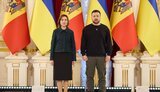 Zelenskyy visits Moldova for Independence Day celebrations: Meeting with Sandu and Nicușor Dan scheduled President of Ukraine Volodymyr Zelenskyy has arrived in Chisinau to attend celebrations marking Moldova’s Independence Day. 1 728 12 Previously in trend: Relations between Ukraine and Moldova
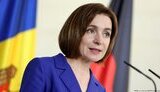 Russian drones are flying into Moldova not just because of errors, - Sandu The President of Moldova, Maia Sandu, has stated that Russian drones are entering the country’s airspace not only due to navigational errors, but may also be directed there deliberately. 771 5 Previously in trend: Russian subversions in EU
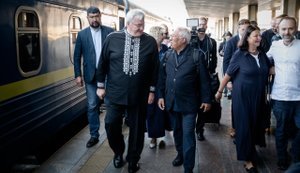
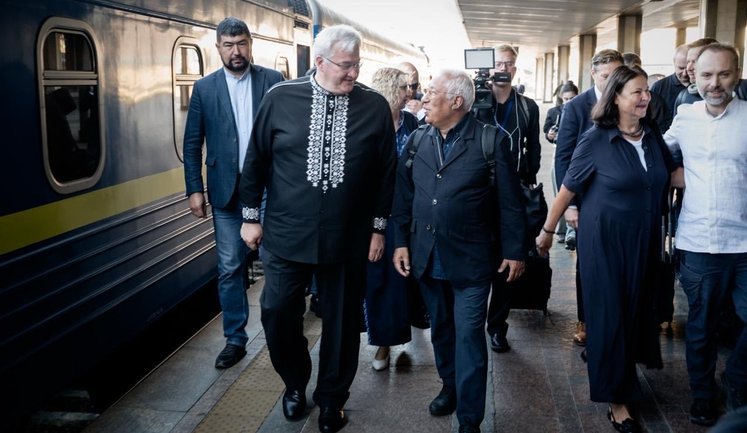
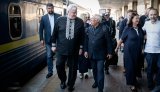 Leaders from UK, Estonia, Luxembourg and Moldova have arrived in Kyiv. PHOTOS Andy Burnham, Head of the British Government; Alar Karis, President of Estonia; Luc Frieden, Prime Minister of Luxembourg; Maia Sandu, President of Moldova; and António Costa, President of the European Council. 2 463 4 Previously in trend: Independence Day
Moldovan president calls for increased pressure on Russia after drone crashes in Moldova Moldovan President Maia Sandu called for increased pressure on Russia following another violation of the country’s airspace by a Russian drone. She stressed that such incidents must stop. 521 6 Previously in trend: Attack of drones
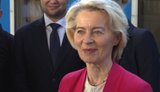 Von der Leyen and European leaders have arrived in Kyiv. VIDEO European Commission President Ursula von der Leyen has arrived in Kyiv on a visit. 5 319 17 Previously in trend: Von der Leyen visit to Ukraine
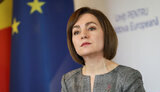 Sandu called for increased pressure on Russia: Putin is not interested in serious negotiations Moldovan President Maia Sandu stated that Europe and Ukraine’s other partners must increase economic pressure on Russia to force it to negotiate an end to the war. 926 14 Previously in trend: Peace negotiations
Ukraine is keeping Russian army away from its borders while Moldova seeks peaceful solution regarding Transnistria, — Sandu Because Ukraine is keeping the Russian army far from its borders, Moldova can seek a peaceful resolution to the conflict in unrecognized Transnistria. 2 304 31 Previously in trend: Relations between Ukraine and Moldova
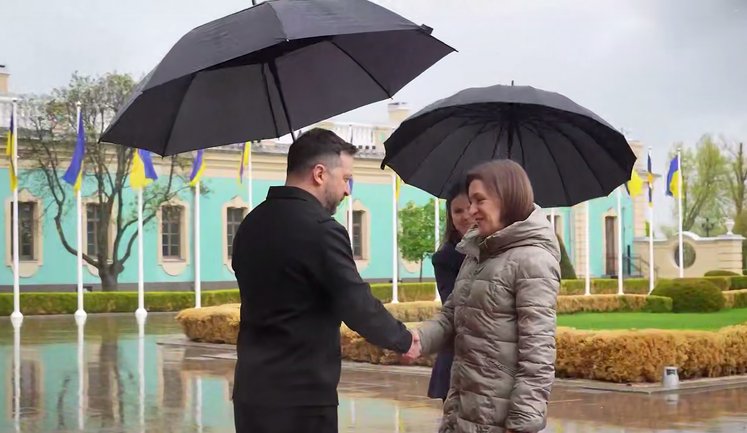
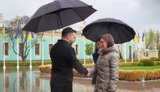 Zelenskyy and Sandu discussed EU accession and regional security. VIDEO The President of Ukraine, Volodymyr Zelenskyy, is delighted to welcome the President of Moldova, Maia Sandu, to Ukraine. 1 743 5 Previously in trend: Relations between Ukraine and Moldova
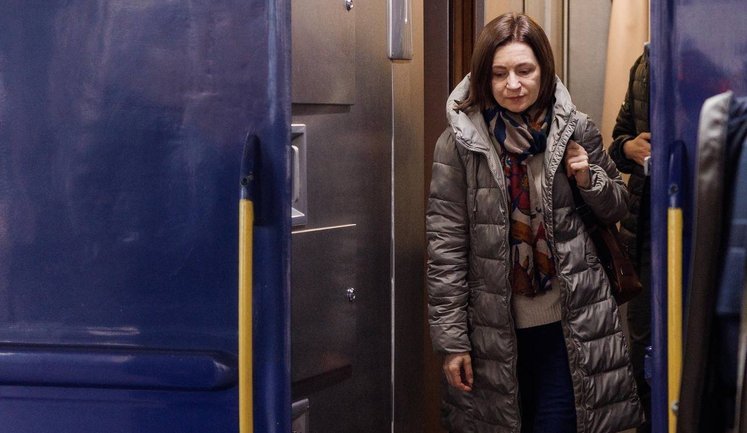
 Moldovan President Sandu has arrived in Kyiv. PHOTO Today, 26 April 2026, the President of Moldova, Maia Sandu, arrived in Kyiv. 2 878 33
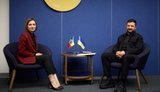 Ukraine and Moldova strengthen cooperation on path to EU The joint path of Ukraine and Moldova towards European Union membership must be coordinated. 650 4 Previously in trend: Moldova entrance to the EU Ukraine EU accession Cyprus presides over the Council of the European Union
Sandu on Russia’s attack on Ukraine and Russian drones flying into Moldova: This is not language of country engaged in peace talks Moldovan President Maia Sandu condemned Russia's nighttime attack on Ukraine and stressed that this is not the behavior of a country engaged in "peace talks." 1 189 14 Previously in trend: Massive combined attack Incursion of Russian Federation drones into Moldova
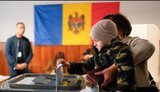 Sandu’s party takes convincing lead in Moldovan elections: victory for pro-European forces. INFOGRAPHICS After counting 99.65% of the votes in the parliamentary elections in Moldova, President Maia Sandu's party, "Action and Solidarity" (PAS), received 50.06% of the vote. 17 028 175 Previously in trend: Parliamentary elections in Moldova
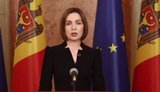 Moldova may become springboard for attack on Odesa region, - Sandu If pro-Russian forces win the elections in Moldova, the country will become a springboard for an attack on the Odesa region. 7 375 90 Previously in trend: Russian influence on elections in Moldova
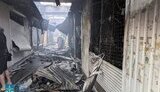 Sandu condemned shelling of Odesa by Russians: Barbaric act of terror against civilian population Moldovan President Maia Sandu has condemned tonight's Russian attack on Odesa, in particular the Privoz market. 898 1 Previously in trend: UAV attack on Odesa
Sandu on Russian shelling of Kyiv: Ukraine is too often left alone against evil empire. We need to strengthen air defense Moldovan President Maia Sandu has called on the international community to provide Ukraine with enhanced air defense after another massive Russian strike on Kyiv. 1 212 9 Previously in trend: Shelling of Kyiv
 Zelenskyy speaks with Sandu, discusses Moldova’s participation in Ukraine–Southeast Europe summit President of Ukraine Volodymyr Zelenskyy held a phone call with Moldovan President Maia Sandu. 509 5 Previously in trend: Support for Ukraine
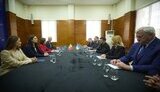 Zelenskyy meets with Sandu: they discussed EU integration and Russia’s hybrid war. VIDEO In Tirana, Ukrainian President Volodymyr Zelenskyy held a meeting with Moldovan President Maia Sandu to coordinate efforts toward achieving lasting peace and to discuss strengthening bilateral cooperation. 1 092 12 Previously in trend: Relations between Ukraine and Moldova
Moldova can finalize EU accession talks by end of 2027 - Sandu Moldova may complete negotiations on joining the European Union by the end of 2027, after which the ratification phase of the agreement by EU member states will begin. 748 6 Previously in trend: Moldova entrance to the EU
 Alliances with Ukraine and Romania guarantee Moldova’s security - Sandu Moldova's strong partnership with Ukraine, Romania, and other countries that adhere to international law is a key factor in ensuring the country's security. 887 9 Previously in trend: Relations between Ukraine and Moldova
2025 should bring just peace with strong security guarantees for Ukraine - Sandu Moldova and Ukraine share a common vision of a just peace, which involves not only ending Russia's war against Ukraine but also preventing aggression in the future. 1 064 10
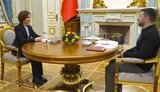 Zelenskyy met with Sandu: Absence of crises in Moldova is our security as well. VIDEO President Volodymyr Zelenskyy had a meeting with President of Moldova Maia Sandu, who arrived in Kyiv on 25 January. 2 469 11
Moldovan President Sandu is going to Kyiv. VIDEO On Saturday, 25 January, Moldovan President Maia Sandu said that she was heading to Kyiv at the invitation of President Volodymyr Zelenskyy. 6 076 34
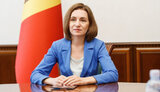 Sandu accuses Kremlin of provoking energy crisis in Transnistria Moldovan President Maia Sandu said that the Kremlin provoked the energy crisis in Transnistria by cutting off gas supplies due to Gazprom's breach of contractual obligations. 1 836 11
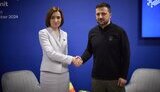 Zelenskyy meets with Sandu to discuss countering Russian disinformation President of Ukraine Volodymyr Zelenskyy met with President of Moldova Maia Sandu at the summit of the European Political Community. 1 442 4
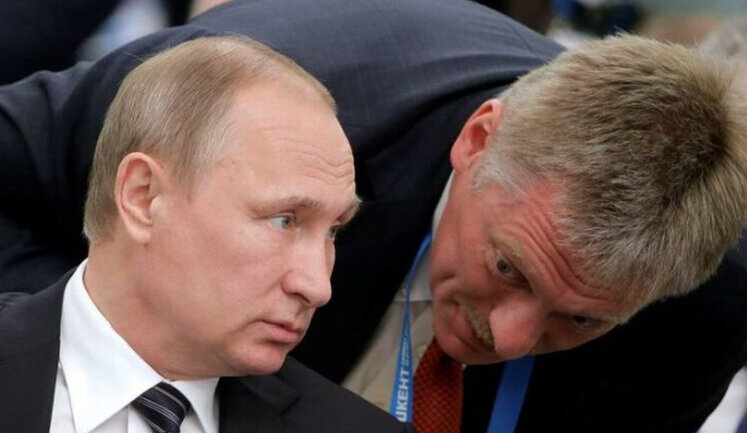
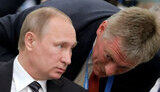 Peskov: Sandu is not president of Moldova The Kremlin will not recognize Maia Sandu as president of Moldova after the elections. 32 188 155
Vote count has been completed in Moldova: Sandu wins with 55.3% of vote In Moldova, 100% of the votes in the second round of presidential elections have been counted. Incumbent President Maia Sandu won the election. 5 496 59
 Sandu wins almost 56% of vote in Moldova’s elections, over 98% of protocols processed Maia Sandu is likely to win the presidential election in Moldova. Results from 98% of polling stations have been counted. 23 919 123
 Today is second round of presidential elections in Moldova Today, November 3, 2024, the second round of the presidential election is taking place in Moldova. 3 114 27
Ukraine did not offer Moldova to resolve Transnistria issue - Sandu Moldovan President Maia Sandu said that Ukraine has never made an official proposal to resolve the Transnistrian issue, and there have been no unofficial proposals either. 5 329 50
 EU needs ’Marshall Plan’ for Moldova and Ukraine - Sandu Moldovan President Maia Saindu believes that the EU should develop a "Marshall Plan" for Moldova and Ukraine. 2 645 24
 Sandu on Russian attack on Ukrainian cities: Such inhuman actions against civilians are disgusting Moldovan President Maia Sandu reacted to Russia’s attack on Ukrainian cities on the morning of 24 March. 2 812 50
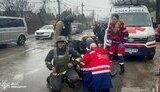 Sandu reacts to Russia’s missile attack on Odesa: Russian war knows no bounds. Ukraine needs urgent assistance Moldovan President Maia Sandu commented on Russia’s missile attack on Odesa on March 15, which resulted in deaths and injuries. 1 930 5 Previously in trend: Russian aggression against Ukraine
 Aim of Tiraspol’s statements is to get money from Kremlin - Sandu The appeal of the Transnistrian deputies’ congress is aimed at getting money from the Kremlin. 1 785 11
Moldova is ready to send new batch of humanitarian aid to Ukraine - Sandu Sandu said that Moldova is ready to hand over a new batch of humanitarian aid to Ukraine. 1 378 5
Russia will resume attempts to destabilise situation in Moldova in spring - Sandu In the spring of 2024, Russia will resume its actions to try to destabilise the situation in Moldova. 2 498 36
EU funds will not go to Moldovan communities where pro-Russian forces won elections - President Sandu The President of Moldova, Maia Sandu, explained the principle by which financial support from the European Union will be distributed to local authorities 9 773 100
By defending Ukraine, you are also defending Moldova, - Sandu At a press conference in Kyiv, Moldovan President Maia Sandu thanked Ukraine for its fight against the Russian invasion. 2 682 19 Previously in trend: War
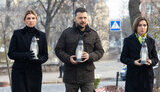 President of Moldova Sandu arrived in Kyiv. PHOTOS On November 21, the President of Moldova, Maia Sandu, arrived in Kyiv. Together with President Volodymyr Zelenskyy and First Lady Olena Zelenska, she honored the memory of those who died during the Revolution of Dignity. 7 108 26
 War in Ukraine is aimed at destroying country and Ukrainians as nation, - Sandu Moldovan President Maia Sandu said that Russia’s war in Ukraine is aimed at destroying Ukrainians as a nation, and if Russia were successful in its war against Ukraine, Moldova would not exist. 3 475 22 Previously in trend: War
"We hope that EU will be ready to accept Moldova in next a few years" - Sandu Moldova hopes to join the European Union within the next few years, with 2030 as the deadline. Moldova’s accession is expected to be phased, with the right bank of the Dniester joining first and then the left bank. 1 076 13
Sandu on 500th day of full-scale war in Ukraine: Peace in Moldova thanks to courage of Armed Forces On the 500th day of the full-scale Russian invasion of Ukraine, the President of Moldova, Maya Sandu, declared solidarity with the Ukrainian people and emphasized that Chisinau will continue to support Kyiv. 2 956 29 Previously in trend: War
Russia will continue attempts to stage coup in Moldova - Sandu Russian Federation will remain a serious threat to Moldova for many years and will continue its coup attempts in country. 1 651 14
We are fully in solidarity with Ukraine, - Sandu Following the results of the summit of the European Political Community in Chisinau, President of Moldova Maia Sandu declared full solidarity with Ukraine. 2 626 5
Moldova supports Zelensky’s peace formula and creation of tribunal for Russia, - Sandu The President of Moldova, Maya Sandu, said that Ukraine today ensures the security of her country, and emphasized that Moldova supports the peace formula in the Ukrainian vision. 1 529 10 Previously in trend: War
Page 1 of 2
more news