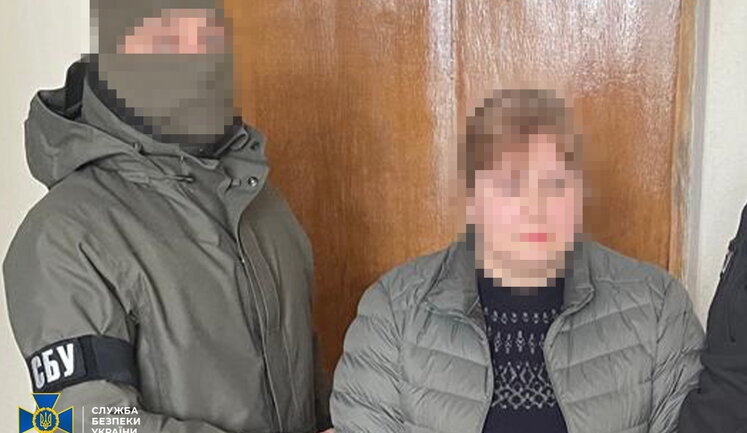
In the ongoing efforts to expose and prosecute collaborators in Ukraine, significant advancements have been made. Recently, the Lutsk City and District Court sentenced a 20-year-old from Melitopol to 11 years in prison for promoting Russian aggression. This highlights Ukraine's commitment to justice against those supporting occupation. Moreover, fifteen organisers of sham elections in the Kherson region face charges, demonstrating the legal repercussions for election manipulation under occupation. The SSU continues to dismantle collaborator networks; a notable case involved a former National Guard soldier accused of collaborating in captivity and aiding enemy actions, now facing trial. These developments underline Ukraine's robust legal actions against traitors amidst ongoing conflict dynamics, reinforcing national security and territorial integrity.
What legal actions are taken against Ukrainian collaborators with Russia?
In Ukraine, legal actions against collaborators involve rigorous investigation and prosecution by authorities such as the Security Service of Ukraine (SSU) and the Office of the Prosecutor General. Collaboration charges often include supporting occupation forces, participating in sham elections, and leaking sensitive information. Individuals found guilty face significant penalties, including imprisonment and property confiscation, reflecting Ukraine's firm stance on protecting its sovereignty and legal order from internal threats.
Why are fake elections in occupied regions significant?
Fake elections in occupied Ukrainian regions are significant as they attempt to legitimize Russian control and undermine Ukraine's sovereignty. Organising and participating in such elections is a form of collaboration, calling for legal action against those involved. These elections also violate international laws and human rights, further escalating tensions in an already volatile region. Prosecuting organisers and participants underscores Ukraine's commitment to democratic principles and territorial integrity.
What has been done to address collaboration in the Kherson region?
In the Kherson region, Ukrainian authorities have focused on uncovering and charging individuals involved in collaboration activities, including participation in staged elections and aiding the occupation administration. The Office of the Prosecutor General and SSU have identified key figures and implemented legal procedures to address such treasonous actions. These measures aim to restore justice and uphold Ukraine's control in the affected territories, ensuring accountability for those undermining national security.
How does the SSU combat collaboration and espionage?
The SSU employs comprehensive counterintelligence strategies to combat collaboration and espionage. This includes gathering evidence, conducting arrests, and prosecuting those aiding Russian forces. Their operations focus on dismantling spy networks, arresting infiltrators within the Ukrainian defense framework, and ensuring the integrity of Ukraine's military and political structures. Through these efforts, the SSU plays a critical role in safeguarding national interests against internal and external threats.
What role do Ukrainian courts play in prosecuting collaborators?
Ukrainian courts play a pivotal role in the judicial process of prosecuting collaborators. They assess evidence presented by law enforcement agencies and issue appropriate legal penalties. The courts uphold the rule of law, ensuring that those violating Ukraine's sovereignty through acts of collaboration are held accountable. Sentencing often involves imprisonment and confiscation of assets, serving as a deterrent to potential collaborators and reinforcing the country's legal framework amidst external threats.
What are the consequences of leaking Defense Forces positions?
Leaking positions of the Ukrainian Defense Forces represents a severe security breach, jeopardizing military operations and personnel safety. Individuals involved in such activities face heavy penalties, including lengthy imprisonment and charges of espionage or collaboration. Ukrainian authorities prioritize addressing these threats through swift identification, arrest, and legal action, safeguarding national defense capabilities and mitigating risks against ongoing occupation aggression.