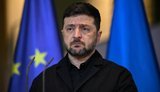
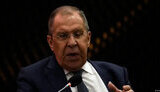
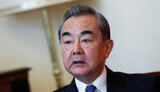
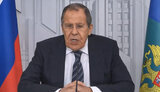
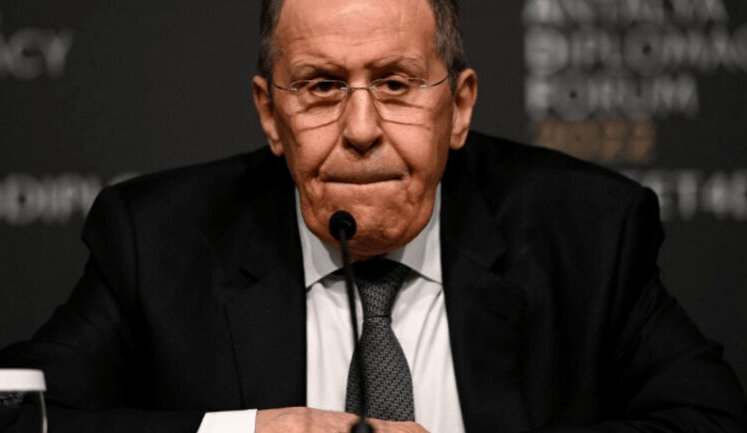
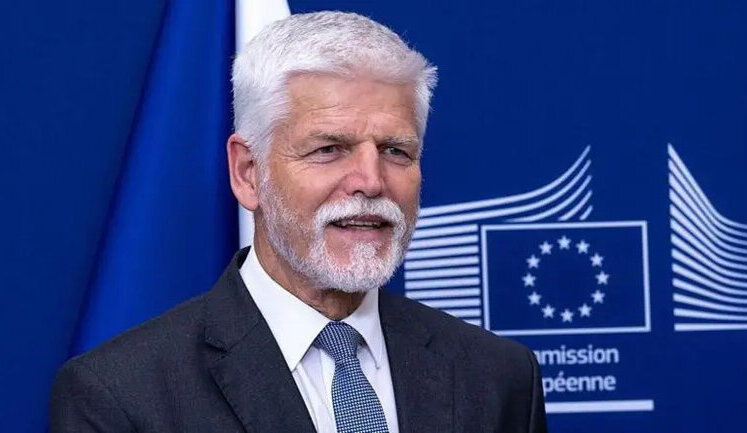
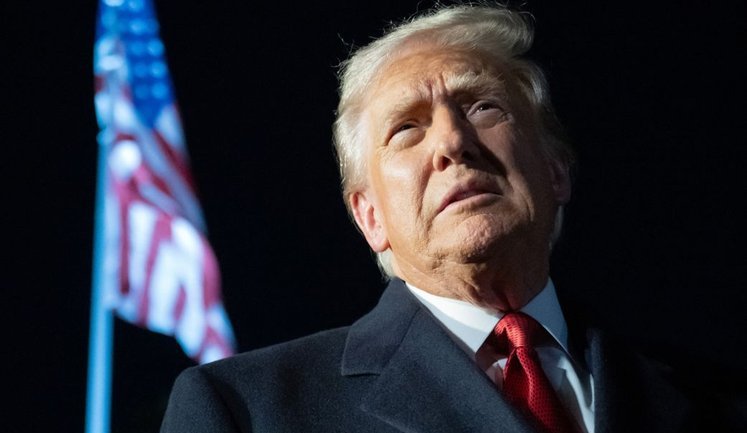
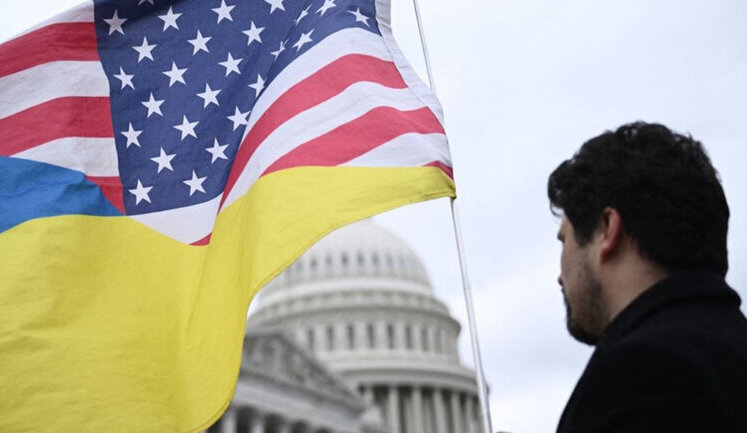
The ongoing conflict in Ukraine is seeing significant diplomatic activity as leaders push for a peace agreement focusing on a ceasefire. Discussions have escalated with input from global powers such as the United States, China, and the European Union, all aiming to de-escalate military actions. Ukrainian President Volodymyr Zelenskyy seeks public support with a notable 87% of Ukrainians desiring peace, although there's substantial opposition to troop withdrawal from Donbas. U.S. President Donald Trump is not imposing deadlines but is optimistic about resolution prospects. International pressure is mounting with statements from leaders emphasizing the importance of Ukraine's involvement in any peace deal. The evolving discussions suggest that securing a lasting ceasefire remains pivotal to broader peace efforts.
Why is the peace agreement between Ukraine and Russia being prioritized now?
The peace agreement between Ukraine and Russia is being prioritized due to the prolonged conflict and its international implications. Global leaders are keen to halt military actions and establish a long-term peace to stabilize the region. The current discussions emphasize a ceasefire and address territorial disputes, aiming to create a framework that leads to sustained peace.
What are the main obstacles to reaching a peace agreement in Ukraine?
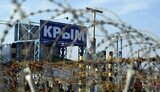
The primary obstacles to reaching a peace agreement in Ukraine include differing territorial claims, especially concerning Crimea and Donbas, and the varying political interests of involved parties. Additionally, there is a need for reliable security guarantees and balancing national sovereignty with global diplomatic interventions. Negotiations are further complicated by public sentiment within Ukraine and conflicting agendas of global powers like the U.S., Russia, and the EU.
How does the international community view the Ukraine-Russia ceasefire negotiations?
The international community views the Ukraine-Russia ceasefire negotiations as a critical diplomatic effort to end years of hostilities. Many foreign governments support the initiative, emphasizing the need for a comprehensive peace deal that respects Ukraine's sovereignty. However, skepticism remains regarding Russia's genuine commitment to peace, given past conflicts' complexities and geopolitical implications.
What role does the United States play in the Ukraine peace agreement talks?
The United States plays a central role in the Ukraine peace agreement talks, acting as a mediator and providing pressure for a swift resolution. U.S. diplomacy is focused on ensuring any agreement respects Ukrainian sovereignty while seeking to reduce Russian influence in the region. However, U.S. involvement is contingent upon measurable progress in negotiations, with a potential withdrawal threatened if talks stall.
What impact does public opinion in Ukraine have on the peace process?
Public opinion in Ukraine significantly influences the peace process. With a majority of Ukrainians expressing a desire for peace but opposing troop withdrawal from key regions, leaders face a complex challenge in aligning diplomatic strategies with national sentiment. This dichotomy impacts negotiation strategies, requiring careful balancing of public will with international diplomatic necessities.
What are the economic implications of a successful Ukraine-Russia peace agreement?
A successful Ukraine-Russia peace agreement would likely boost Ukraine's economy by stabilizing the region, attracting foreign investment, and reopening trade routes. The cessation of hostilities could improve infrastructure development and allow for economic reforms, potentially elevating Ukraine's GDP compared to regional players. However, long-lasting economic recovery would depend on implementation effectiveness and international support.
How are global leaders contributing to the Ukraine peace talks?
Global leaders are contributing to the Ukraine peace talks through diplomatic support, proposing negotiation frameworks, and exerting pressure on conflicting parties. Countries like China and members of the EU advocate diplomatic solutions emphasizing territorial integrity and lasting security arrangements. Their involvement aims to mediate fair resolutions while respecting each party's sovereignty and maintaining regional stability.
What future challenges could arise from the Ukraine peace negotiations?
Future challenges in the Ukraine peace negotiations may include ensuring compliance with agreed terms, managing international relations, and addressing internal Ukrainian divisions. Effective monitoring mechanisms and security guarantees are crucial to prevent future escalations. Additionally, reversing the consequences of conflict on affected communities and fostering reconciliation will be ongoing challenges.
What are the expectations surrounding the upcoming peace talks involving Ukraine?
Expectations for the upcoming peace talks involving Ukraine are cautiously optimistic, with hopes for establishing a comprehensive ceasefire as the foundation for peace. Global stakeholders expect tangible progress in terms of mutual commitments and addressing contentious issues such as territorial control and security guarantees. Success hinges on all parties engaging constructively, with international backers ready to facilitate necessary compromises.
Could a peace agreement affect Ukraine’s foreign relations?
A peace agreement could positively affect Ukraine's foreign relations by improving its regional stability and fostering closer ties with European partners. It may open avenues for integration into broader economic frameworks and enhance defense collaborations. However, any agreement must ensure alignment with Ukraine's strategic interests to avoid alienating nations that have supported its sovereignty during the conflict.