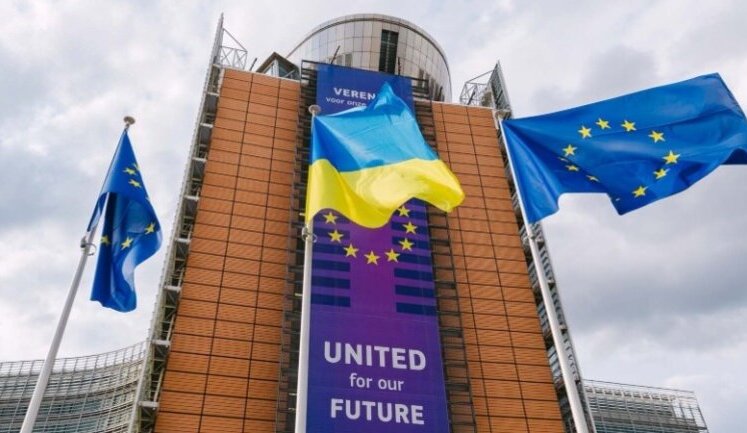
The European Commission has approved a significant proposal to allocate €45 billion in aid to Ukraine for 2026, marking a substantial commitment to support the country in its ongoing struggles. A portion of these funds is earmarked for drone acquisitions, underscoring the strategic emphasis on enhancing Ukraine's military capabilities. Meanwhile, German Chancellor Friedrich Merz has called on the EU to expedite the disbursement of a €90 billion loan to Ukraine, emphasizing the urgency of the situation. The financial assistance aims to bolster Ukraine's economy and defense infrastructure, amid discussions on using frozen Russian assets for future loans. Additionally, the EU plans to cover two-thirds of Ukraine’s financial needs for 2026-2027, reaffirming its long-term support strategy. The combined efforts reflect a broad coalition's commitment to stabilizing and rebuilding Ukraine through comprehensive financial assistance packages.
What financial aid is the EU providing to Ukraine in 2026?
The European Union has proposed allocating €45 billion to Ukraine in 2026. The funds are intended to support Ukraine's economy and defense capabilities. The proposal includes significant assistance for military enhancements, particularly focusing on drone technology to strengthen Ukraine's defense infrastructure.
Why is Germany urging additional financial support for Ukraine?
Germany, through its Chancellor Friedrich Merz, is urging the European Union to expedite the disbursement of a previously approved €90 billion loan to Ukraine. This call highlights Germany's recognition of the urgent financial needs facing Ukraine, aiming to provide a significant boost to its economy and defense systems in the face of ongoing conflicts and reconstruction efforts.
How will the proposed €45 billion aid to Ukraine be utilized?
The proposed €45 billion aid from the European Union will be used to enhance Ukraine's economy and defense capabilities. A portion of this funding is specifically designated for acquiring drone technology, which is crucial for strengthening military operations and defense strategies against ongoing threats.
Is the EU considering using frozen Russian assets for Ukraine's financial aid?
As of now, the European Union is not actively considering using frozen Russian assets for Ukraine's financial aid. The current focus remains on providing direct financial support through allocations, loans, and grants, with ongoing discussions to develop future mechanisms for sustained aid and recovery.
What are the future plans for EU financial support to Ukraine?
The European Union plans to cover two-thirds of Ukraine’s external financing needs for the years 2026-2027. This strategic planning indicates a long-term commitment to aiding Ukraine in its reconstruction and recovery efforts, aiming to ensure economic stability and sustained support against geopolitical challenges.