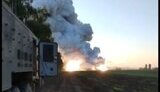
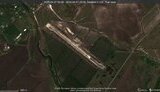
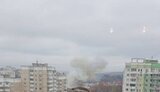
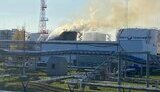
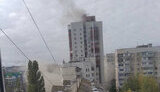
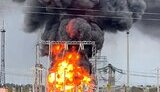
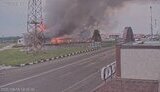
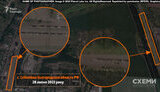
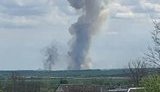
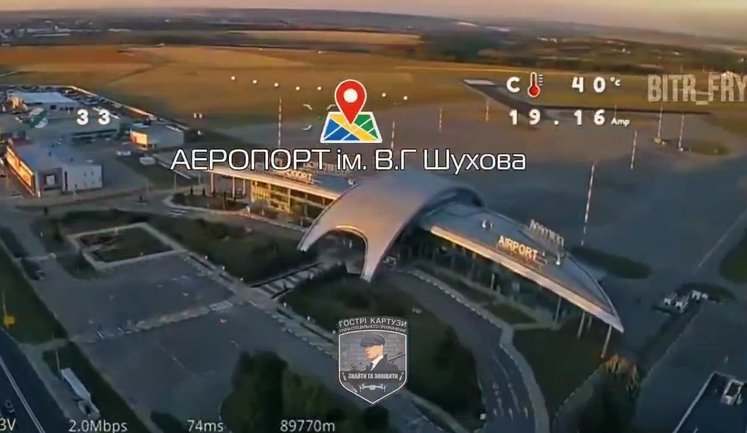
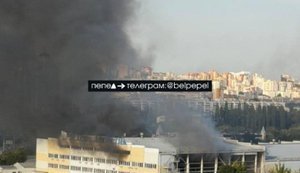
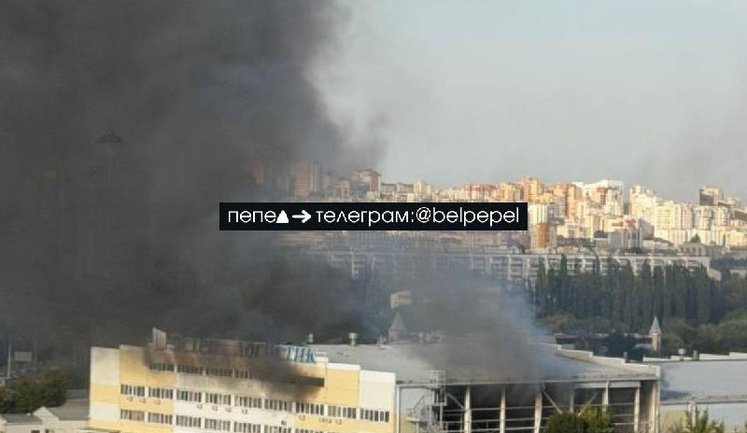
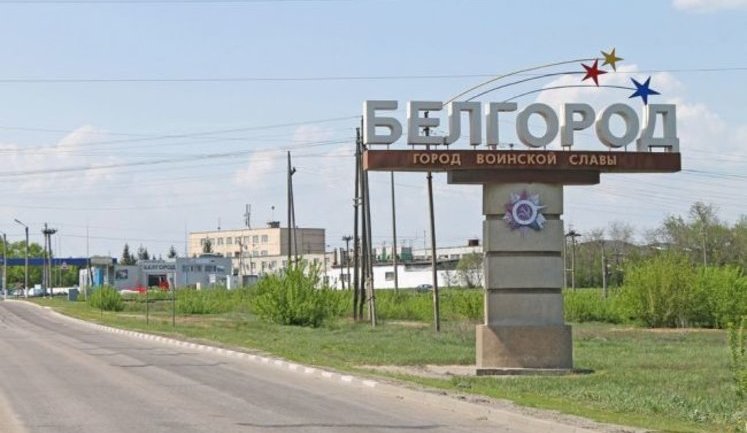
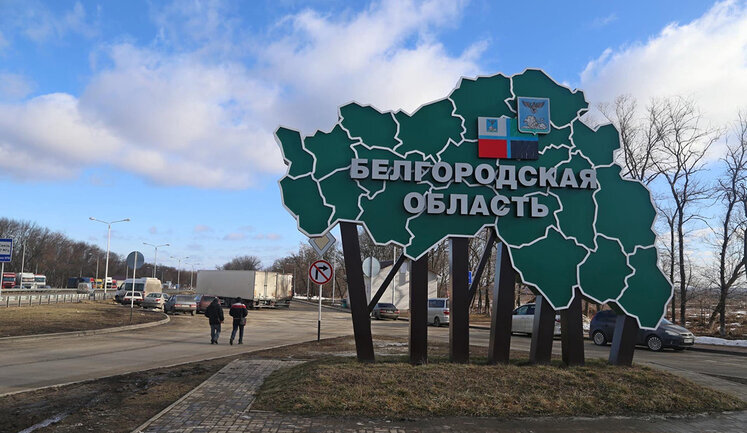
In 2026, the Belgorod region of Russia has been a hotspot of conflict amidst the ongoing war in Ukraine. Multiple reports from the region reveal a series of intense drone attacks and missile strikes targeting various military and civilian facilities. These attacks have led to significant chaos, with explosions and fires causing frequent power outages and water supply disruptions. Key infrastructure, including energy facilities like thermal power plants and substations, as well as logistics targets such as bridges and oil depots, have been severely impacted. The Ukrainian Defence Forces have utilized drones and missiles to strike strategic enemy locations, often resulting in heavy damages and significant military losses for Russia. The situation remains tense, with ongoing threats and military operations highlighting the strategic importance of the region in the broader conflict against Russian forces.
What recent events have occurred in Belgorod due to the conflict?
Recently, Belgorod has been subjected to numerous drone strikes and missile attacks. These events have targeted both military and civilian facilities, resulting in widespread fires and explosions. Critical infrastructure, including power plants and substations, has been heavily damaged, leading to frequent blackouts and water supply issues across the city. The intensity and frequency of these attacks underscore the volatility in the region and its strategic significance in the ongoing war.
How have drone strikes impacted Belgorod's infrastructure?
Drone strikes have severely impacted Belgorod's infrastructure, causing significant damage to power plants, substations, and logistic hubs. Explosions from these strikes have led to frequent blackouts and disruptions in water and heating services. The continuous targeting of infrastructure highlights the strategic importance of destabilizing enemy resources and logistical capabilities in the conflict.
What specific facilities have been targeted in Belgorod region?
In the Belgorod region, specific facilities that have been targeted include various military installations, fuel depots, and critical infrastructure like thermal power plants and electrical substations. These targets are crucial for logistics and energy supply, and their destruction aims to impede the operational capabilities of the Russian forces in the region.
What military operations have been reported in the Belgorod area?
Military operations in the Belgorod area have seen the active engagement of Ukrainian Defence Forces using drones and missile strikes. Reports detail the destruction of key military assets, like radar stations, ammunition depots, and even air defence systems. These operations aim to weaken the logistical and defensive capabilities of Russian forces, contributing significantly to the ongoing conflict dynamics.
How have local citizens in Belgorod been affected by the conflict?
The conflict has severely affected local citizens in Belgorod, with recurring explosions causing power outages, water supply disruptions, and fear among the populace. Civilians have reported witnessing drone attacks and subsequent infrastructure damage. These incidents have created an atmosphere of tension and uncertainty, heavily impacting the day-to-day life and security of residents in the region.