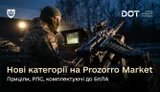
The State Operator for Non-Lethal Acquisition (DOT) is simplifying procurement processes, particularly for vehicles and tactical equipment for Ukraine’s military. At the same time, DOT has faced challenges related to low-quality food supplies. Ukraine’s Antimonopoly Committee has penalized unreliable suppliers, while the government is working to strengthen quality control mechanisms. The agency is also introducing digital platforms such as DOT-Chain Defence and Arsenal to streamline equipment procurement and speed up frontline deliveries.
What key reforms is DOT implementing in 2026?
In 2026, DOT, with NATO support, is carrying out large-scale reforms aimed at improving procurement processes and strengthening the agency’s capabilities. This includes financial and expert assistance to improve management and efficiency in defense procurement. The reforms are intended to ensure the most effective supply of equipment and materials for Ukraine’s military.
How is DOT supporting Ukraine’s Armed Forces in 2026?
As a centralized procurement agency, DOT is simplifying procurement processes, particularly for vehicles and tactical equipment. Its advance-planning strategy allows DOT to sign contracts a year in advance, ensuring the timely delivery of essential supplies. The agency is also introducing digital platforms to accelerate the ordering and delivery of specialized equipment and food supplies to the front line.
What scandals have surrounded DOT’s activities?
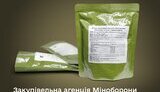
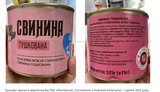
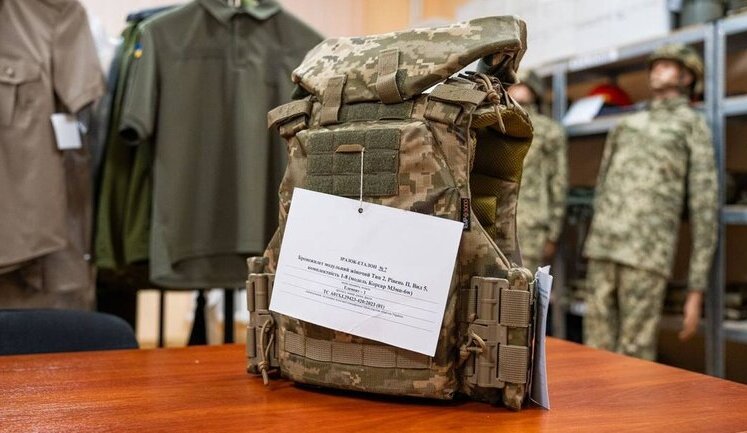
In 2026, DOT’s activities have been accompanied by several scandals related to low-quality food supplies and protective equipment. Cases of product falsification were identified, leading to penalties for suppliers. Despite this, the agency is attempting to improve the situation through audits and procurement reforms while strengthening quality control over purchased goods.
What role do digital platforms play in DOT’s operations?
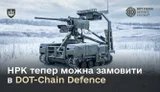
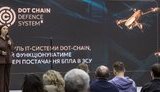
Digital platforms such as DOT-Chain Defence and Arsenal significantly improve procurement and delivery processes. They allow military units to independently select and order equipment and logistics packages without relying on warehouse stock. This enables faster responses to the needs of Ukraine’s Armed Forces and more efficient frontline deliveries. The introduction of these platforms has already demonstrated improved efficiency in procurement operations.
How is the international community supporting DOT in 2026?
In 2026, NATO is providing significant support to DOT, including financial and expert resources aimed at improving defense procurement efficiency. This assistance is being implemented through the Office of the Special Adviser on Defence of the United Kingdom and focuses on strengthening DOT’s procurement and supply capabilities under wartime conditions. NATO’s support highlights the importance of international cooperation in strengthening Ukraine’s defense capabilities.
How is the State Operator for Non-Lethal Acquisition addressing quality issues in military supplies?
To address quality issues, the State Operator for Non-Lethal Acquisition (DOT) has intensified audits and supplier evaluations, introducing stricter compliance standards and penalties for non-compliance. The agency aims to ensure that only high-quality and compliant products are procured to maintain the safety and operational effectiveness of Ukraine’s Armed Forces.
What recent initiatives have been launched to improve military logistics?
Recent initiatives by the State Operator for Non-Lethal Acquisition (DOT) include the launch of electronic systems for tracking food supply requests and the integration of digital solutions such as DOT-Chain to improve procurement transparency. These efforts, combined with audits and stronger supplier accountability measures, are aimed at streamlining military logistics and ensuring timely delivery of essential supplies.