7252 visitors online
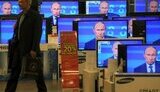
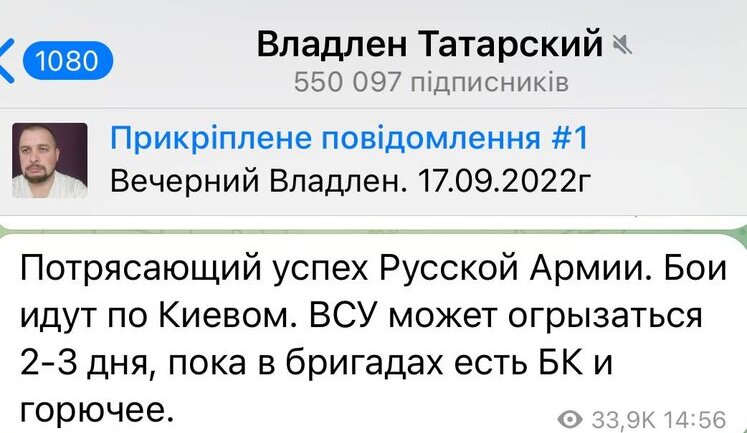
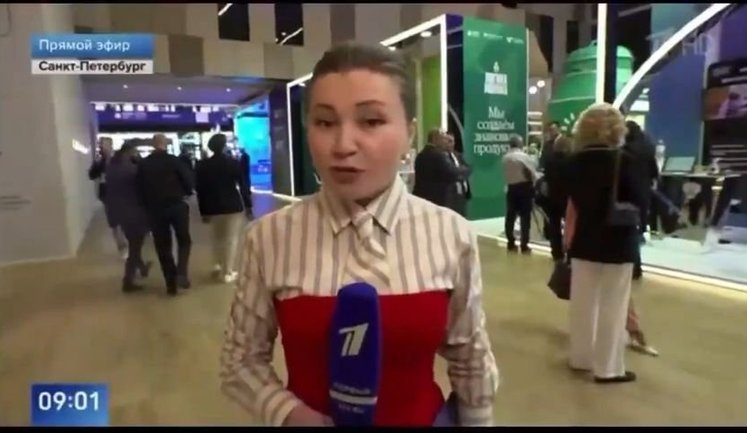
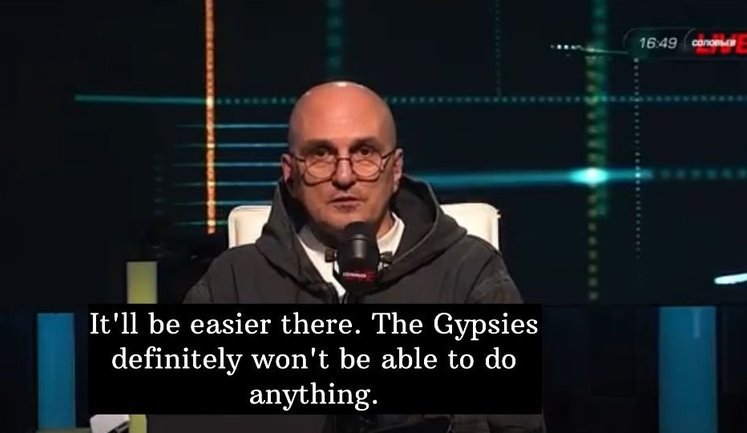
Russian propaganda continues to be a significant tool in the Kremlin's arsenal, aiming to influence both domestic and international audiences. From fabricated stories about Ukrainian military capabilities to dangerous narratives on talk shows hosted by personalities like Vladimir Solovyov, Russia has scaled up its disinformation strategies. Recent examples include attempts to legitimize military actions and promote a false image of Russian military success. Additionally, Russian media has been integral in disseminating false narratives abroad, employing tactics such as staged activities in cities like Kupiansk. These operations are not limited to Europe, as there are concerted efforts to penetrate countries as distant as China and India through the use of technologies like artificial intelligence. This pervasive strategy highlights the ongoing information war and the need for vigilance in countering misleading narratives.

How does Russian propaganda affect perceptions of the Ukraine conflict?

Russian propaganda distorts perceptions of the Ukraine conflict by presenting misleading narratives that justify military actions and portray Russia as a victim. This manipulation influences public opinion and can undermine international support for Ukraine, making it crucial to critically evaluate news sources and rely on verified information.

What are the key methods used by Russian propaganda to influence public opinion?

Key methods include the dissemination of false information through state-controlled media, use of social media platforms for spreading disinformation, and organizing staged events to create a misleading narrative. These efforts aim to manipulate perceptions, discredit opponents, and promote Russian geopolitical objectives.

What role does artificial intelligence play in Russian propaganda efforts?

Artificial intelligence is increasingly used to automate disinformation campaigns, generate deepfake content, and enhance the reach of propaganda messages. This technology enables the rapid spread of false narratives with greater sophistication, complicating efforts to discern genuine from fake information.
How is the international community responding to Russian propaganda?

The international community is countering Russian propaganda through sanctions, enhancing media literacy, and promoting factual reporting. Organizations and governments are also working to expose misinformation networks and disrupt propaganda channels, but the challenge remains significant due to the scale and adaptability of Russian efforts.

What impact does Russian propaganda have on social stability within targeted countries?

Russian propaganda can exacerbate social divisions, polarize political climates, and undermine trust in institutions by spreading misleading narratives. These effects contribute to social instability, complicating governance and potentially fueling unrest or hostile sentiments towards minority groups or other nations.

How can individuals protect themselves from being influenced by propaganda?

Individuals can protect themselves by critically assessing information sources, cross-referencing facts from multiple reliable outlets, and being wary of emotionally charged content. Developing media literacy skills and understanding the tactics of disinformation can also empower individuals to recognize and resist propaganda influences.

What measures are in place to combat Russian propaganda on digital platforms?

Digital platforms are implementing stricter content moderation policies, banning channels known for spreading disinformation, and collaborating with fact-checkers to flag false content. However, the effectiveness varies, and ongoing vigilance and adaptation are required to keep pace with evolving propaganda tactics.

What are the challenges in distinguishing propaganda from legitimate news?

Challenges include the subtle blending of fact and fiction, the use of credible-looking sources, and the manipulation of real events to fit false narratives. Efforts to ensure accuracy and neutrality in reporting, alongside the public's ability to critically appraise information, are essential to mitigate these challenges.

Why is propaganda considered a powerful tool in modern warfare?

Propaganda is powerful because it can shape perceptions, influence public sentiment, undermine enemy morale, and legitimize military actions. By controlling the narrative, states can rally support domestically and abroad while delegitimizing their adversaries, making it a crucial element of hybrid warfare strategies.

show details

TOP news propaganda

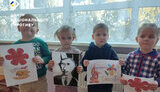
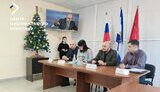
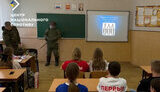
Propaganda events for schoolchildren in the TOT Occupiers organized propaganda events in schools in TOT of Zaporizhzhia region - National Resistance Center In the temporarily occupied Kamianets-Dniprovskyi, Zaporizhzhia region, Russian invaders held a propaganda event for schoolchildren. 669 0

солдат Russian troops desert army over Ukraine conflict, - Aljazeera. VIDEO Stories of deserters contradict Kremlin's assertion that no government soldiers have been sent to the conflict zone. 526 0 Previously in trend: Russian aggression against Ukraine

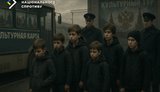
діти Russians hold propaganda meetings with Russian Interior Ministry officials for orphans in boarding schools in occupied territories - National Resistance Centre The most vulnerable segments of the population of the temporarily occupied territories of Ukraine are easy prey for the occupiers, who are preparing future accomplices among Ukrainian orphans. 296 0 Incidents

авдеевка There's only one reason why there's war in the Donbas, and it's because Russia wants this war, - The Daily Vertical. VIDEO The hostilities in the Donbas is a "manufactured war." 196 0 Previously in trend: Russian aggression against Ukraine Avdiivka fighting War

Occupiers set up a new filtration camp for residents of occupied settlements with forced issuance of Russian passports Russia has taken more than hundred graduates from occupied territories to participate in propaganda shifts - NRC Russian occupants have taken more than a hundred graduates from the temporarily occupied territories of Ukraine to the so-called "university changes" for the purpose of further assimilation of talented children. 545 2 Previously in trend: Russian deportation of Ukrainian children

танк Pretending that war in Ukraine is of civil nature means playing Kremlin's political games, - The Power Vertical. VIDEO After more than two years of war in eastern Ukraine, many continue to pretend that what is happening in the Donbas is a civil war, when in fact it is the result of a Russian invasion. 160 0 Ukrainian Politics