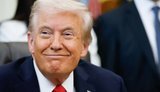
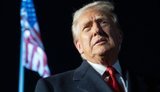
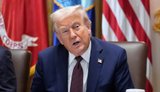
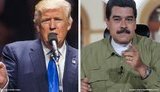
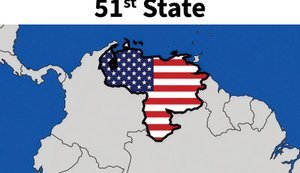
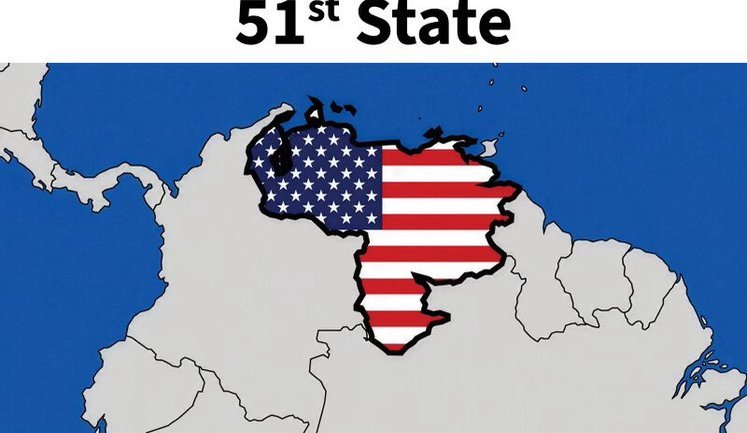
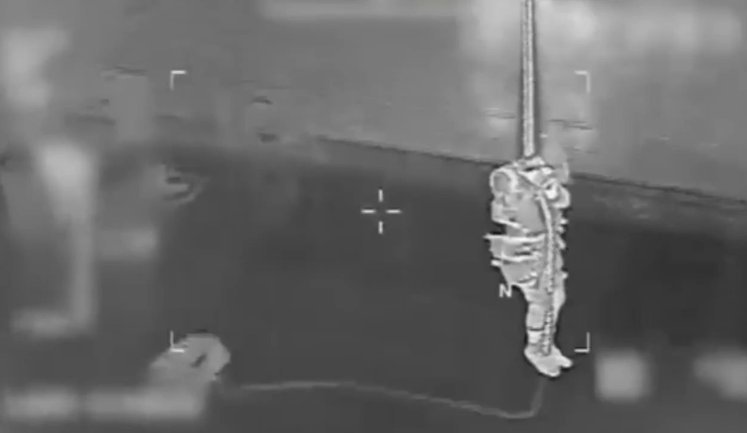
In recent months, Venezuela has been at the center of significant geopolitical tensions involving the United States. With President Trump declaring himself as the 'acting president of Venezuela,' the US has intensified its presence in the region. Strategic military operations led to the detention of Venezuelan president Nicolás Maduro, marking a pivotal point in the US's approach to governing Venezuela, aiming for a peaceful transition of power. The interim governance by Marco Rubio further emphasizes US intentions to ensure stability in the region. As these events unfold, the partnership dynamics with other global powers like Russia and China remain critical. Keep updated with detailed reports and analyses on recent developments.
Why did the United States intervene in Venezuela?
The United States intervened in Venezuela citing the necessity to ensure political stability and to remove President Nicolás Maduro, whom they accused of illegitimate governance and posing regional threats. The US government, under Trump's administration, has prioritized securing Venezuelan resources and establishing a transition to a more cooperative interim government led by figures like Delcy Rodríguez.
What role does Marco Rubio play in Venezuela?
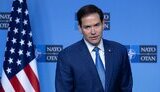
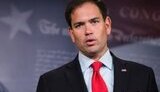
Marco Rubio, as the US Secretary of State, plays a crucial role in Venezuela's governance post-intervention. He is tasked with leading key governance areas until a safe and lawful transition of power occurs. Rubio's administration focuses on promoting democratic principles and ensuring that Venezuela aligns more closely with US foreign policy interests, particularly in energy sectors.
How is the international community reacting to US actions in Venezuela?
The international community's response to US actions in Venezuela is mixed. While some nations support the intervention citing human rights and democratic restoration, others, like Russia and China, heavily criticize the US measures, labeling them as neo-imperialist maneuvers. The UN Security Council has seen debates over the legitimacy of these military interventions and their impact on global peace.
What is the significance of the 'shadow fleet' in the recent Venezuela-US tensions?
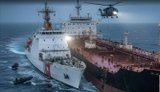
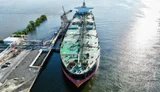
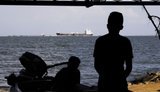
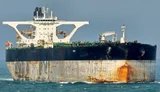
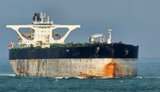
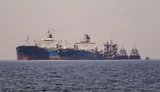
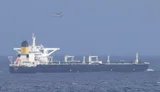
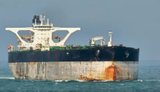
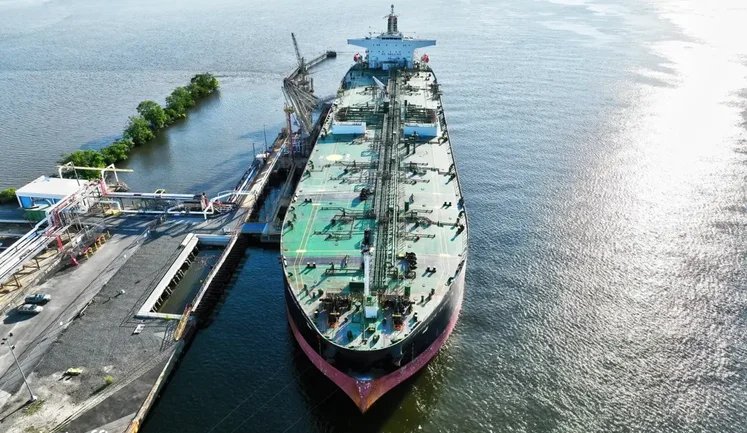
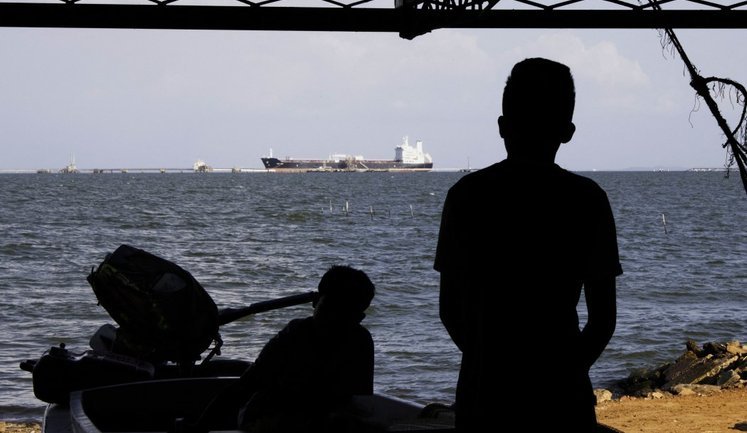
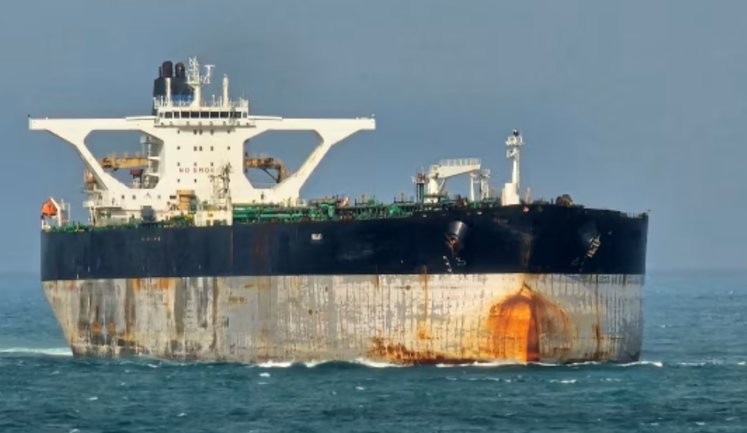
The 'shadow fleet' comprises vessels believed to be involved in bypassing international sanctions. Countries like Venezuela, with ties to Russia and Iran, have utilized these fleets to continue trading oil and other resources. The US's seizure of several tankers related to this fleet signifies its effort to dismantle networks bypassing sanctions and exert economic pressure on Venezuela and its allies.
What future does US governance foresee for Venezuela?
The United States envisions a future for Venezuela marked by stable democratic governance, free from the influence of external forces like Russia and China. The focus is on securing Venezuelan resources for development, enhancing bilateral relations, and supporting the interim government until legitimate elections are held. Ultimately, the goal is a peaceful transition offering economic growth prospects for both nations.