ENG




11631 visitors online
Recent reports on stealing and embezzlement reveal widespread corruption affecting multiple sectors in Ukraine. From energy efficiency programmes to defense contracts, embezzlement of funds remains a significant issue. The National Police and international investigation agencies, including the State Bureau of Investigations, continue to unveil these fraudulent activities. High-profile cases include the embezzlement of UAH 14.2 million in Dnipropetrovsk's energy projects, and corruption within military units involving drone and equipment thefts. These incidents highlight the pressing need for tighter security measures and transparency in handling state funds.
What are recent cases of embezzlement in Ukraine?
Recent cases include the embezzlement of UAH 14.2 million from an energy programme in Dnipro, and thefts involving military equipment in the Odesa region. These incidents underline significant corruption in public funds management.
Which authorities are involved in tackling embezzlement in Ukraine?
Authorities like the National Police, State Bureau of Investigations, SSU, and NABU actively combat embezzlement, often working together to dismantle organized criminal groups engaged in stealing state funds.
How does embezzlement in the defense sector affect Ukraine?
Embezzlement in the defense sector, such as the illicit sale of drones and inflated procurement prices, weakens military efficiency and depletes resources essential for national security, exacerbating vulnerabilities during conflicts.
What impact does stealing have on Ukraine's economy?
Stealing and embezzlement destabilize the economy by diverting resources from essential services, increasing public debt, and undermining trust in governance, which can deter investments and international aid.
How is the public informed about embezzlement cases?
The public is informed through detailed reports by news outlets, website publications, and social media updates that provide transparency and encourage accountability in government and military spending.
What measures are taken against those found guilty of embezzlement?
Legal measures include arrests, trials, and sentencing. Convicted individuals may face severe penalties, including fines, imprisonment, and forfeiture of assets, aiming to deter future crimes and recover lost funds.
News stealing
 UAH 37.7 million may have been embezzled during fortification construction in Sumy region: four people suspected. PHOTO Four people are suspected of embezzling more than UAH 37.7 million in budget funds during the construction of fortifications in Sumy region. Investigators documented five instances of alleged misappropriation of funds through inflated costs of materials, work, and delivery. 825 7 Previously in trend: Embezzlement of funds Embezzlement during construction
 Multi-million embezzlement in procurement of transformers for Kharkivoblenergo: Eight members of organized group to face trial – NABU Eight members of an organized group will face trial. The National Anti-Corruption Bureau of Ukraine (NABU) and the Specialized Anti-Corruption Prosecutor’s Office (SAPO) accuse them of large-scale embezzlement at JSC Kharkivoblenergo. 1 721 15 Previously in trend: Corruption in Ukraine Embezzlement of funds
 ’Paper’ FPV drones worth over 47 million hryvnias: former military unit commander and his accomplices are to stand trial. PHOTOS The pre-trial investigation has been completed and an indictment has been filed against members of a criminal organisation accused of embezzling over 47 million hryvnias of public funds allocated for the purchase of FPV drones and optical equipment for a military unit. 3 703 13 Previously in trend: stealing
 Senior Luhansk RMA officials detained in UAH 5 million scheme: kickbacks received by post – SSU. VIDEO+PHOTOS The head of a department at the Luhansk Regional Military Administration and his deputy were detained on suspicion of organising a public procurement scheme through which they attempted to misappropriate UAH 5 million. According to investigators, monthly kickbacks were sent to the officials by... 4 476 27 Previously in trend: Embezzlement of funds
 Fraud in "Turbota" programme: five members of Kyiv Regional Council have been notified of suspicion, – Kravchenko. VIDEO Five members of the Kyiv Regional Council and four of their relatives have been notified that they are under suspicion of fraud in connection with the ‘Turbota’ programme. 1 824 9 Previously in trend: financial fraud
 Foreign Ministry State Secretary Bankov embezzled UAH 37 million in international aid – AntAC The Anti-Corruption Action Centre has revealed who was served notices of suspicion by the NABU and the SAPO in a case involving the misappropriation of more than UAH 37 million donated by foreign citizens and donors to support Ukraine at the beginning of Russia’s full-scale invasion. 16 405 62 Previously in trend: Embezzlement of funds
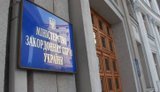 Foreign Ministry reacts to former state secretary’s exposure in embezzlement of donations for Ukraine: "We never shielded suspects" The Ministry of Foreign Affairs of Ukraine has responded to reports by NABU and SAPO regarding the possible involvement of a former Foreign Ministry state secretary in the misappropriation of donor funds intended to support Ukraine. 5 121 26 Previously in trend: Embezzlement of funds
 They stripped defence enterprise for scrap metal and bought luxury cars: former manager and three employees have been notified of suspicions, – Kravchenko. VIDEO Prosecutors from the Office of the Prosecutor General have notified the former acting director-general of a state-owned defence enterprise and three of his staff of new charges. 4 567 14 Previously in trend: Embezzlement of funds Undeclared assets
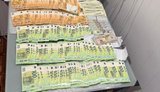 Resident of Cherkasy region who sold cars imported as humanitarian aid is to stand trial. PHOTO An indictment has been filed against a 36-year-old resident of the Cherkasy region, who is accused of selling vehicles imported into Ukraine under the guise of humanitarian aid for the Defence Forces. 1 390 2 Previously in trend: Profiteering from humanitarian aid
 NABU exposes scheme to embezzle over UAH 150 million from National Guard: 8 people served notices of suspicion – SAPO. PHOTO The National Anti-Corruption Bureau and the Specialized Anti-Corruption Prosecutor’s Office have served eight people with notices of suspicion in a case involving the embezzlement of more than UAH 150 million belonging to the National Guard of Ukraine. The suspects include National Guard... 3 658 16 Previously in trend: Embezzlement of funds Searches in the National Guard
 Head of military depot sold off air defence drones worth 6.2 million hryvnias: case referred to court, – OPG. PHOTO The head of a warehouse at one of the border guard units is to stand trial for embezzling military equipment intended to support air defence in southern Ukraine. According to the investigation, he unlawfully appropriated equipment worth over 6.2 million hryvnias and sold some of the stolen goods... 11 794 25 Previously in trend: Drone procurement corruption
 129 million hryvnias embezzled from energy tenders: the prosecutor’s office has uncovered large-scale scheme. PHOTO Law enforcement agencies have uncovered a large-scale scheme to embezzle public funds during tender-based procurement in the energy sector. According to the investigation, state-owned and municipal enterprises have suffered losses amounting to 129 million hryvnias. 1 419 15 Previously in trend: Embezzlement of funds embezzlement during infrastructure restoration
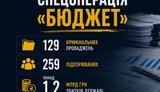 Large-scale embezzlement of over 1.2 billion hryvnias from budget has been uncovered, - Kravchenko. PHOTOS As part of the ‘Budget’ special operation, law enforcement agencies have reported 259 suspects and over 1.2 billion hryvnias in losses to the state across various sectors. 2 994 25 Previously in trend: Corruption in Ukraine
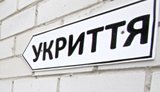 81 million hryvnias were embezzled from procurement of shelters for schools and military, - Prosecutor General. PHOTO Law enforcement agencies have uncovered several schemes involving the embezzlement of public funds during the procurement and construction of shelters for educational establishments and military facilities. The total amount of losses identified stands at 81 million hryvnias. 780 13 Previously in trend: Stealing from shelters
 Over 5 million hryvnias earmarked for development of agro-industrial complex were embezzled: former minister and his accomplices have been notified of charges against them, - SSU. PHOTOS The Security Service and the National Police have dismantled a large-scale scheme in the Cherkasy region involving the misappropriation of public funds allocated by the state for the development of the agro-industrial sector in central Ukraine. 1 508 5 Previously in trend: Embezzlement of funds
 15.3 million UAH in salaries for ’ghost employees’: five female staff members at Ministry of Health sanatorium in Prykarpattia region have been notified of suspicion. PHOTOS In the Prykarpattia region, under the procedural supervision of the Ivano-Frankivsk Regional Prosecutor’s Office, a scheme has been uncovered whereby a state-run sanatorium received budget funds for years to pay salaries to people who did not, in fact, work there. 1 488 5 Previously in trend: Embezzlement of funds
 Almost 89,000 tonnes of Ukrainian wheat: occupying forces have stepped up grain exports via Mariupol Russian occupiers continue to ship Ukrainian grain via the seized port of Mariupol. Since the start of 2026, 88,800 tonnes of wheat have been shipped from there, which already exceeds last year’s total. 651 6 Previously in trend: Grain theft
 Officials exposed for embezzling UAH 11 million in generator purchases for Armed Forces of Ukraine – SSU Officials who ran a scheme to embezzle UAH 11 million in defense funds in Chernihiv region have been exposed. 1 501 11 Previously in trend: Embezzlement of funds
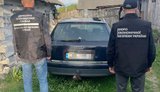 Cars for Ukraine’s Armed Forces imported as "humanitarian aid" sold in Volyn Oblast. PHOTO Law enforcement officers in Volyn Oblast have exposed a scheme involving the illegal import of cars into Ukraine under the guise of humanitarian aid for the military. 1 366 2 Previously in trend: Fundraising for support of the Armed Forces of Ukraine
 UAH 2.7 million in losses during construction of defence facility in Zhytomyr region: embezzlement scheme uncovered and contractor detained. PHOTO The Security Service’s military counter-intelligence unit and the State Security Service have uncovered a scheme to embezzle public funds during the execution of a defence contract in the Zhytomyr region. Following a series of comprehensive investigations, the co-owner of a private company who... 1 092 7 Previously in trend: Embezzlement of funds Embezzlement of funds for fortifications
Russian vessel ZAID transported almost 36,000 tonnes of grain from occupied Sevastopol. PHOTO The Russian vessel ZAID has loaded 35,800 tonnes of wheat in occupied Sevastopol and is heading for the Turkish port of Iskenderun. 1 184 10 Previously in trend: Grain theft
 Scheme to embezzle 20 million hryvnias in livestock subsidies has been uncovered in Odesa region. VIDEO+PHOTOS In the Odesa region, law enforcement officers have uncovered a scheme to embezzle public funds earmarked for state support of the livestock sector. 1 312 3 Previously in trend: Embezzlement of funds
Israel has refused to unload ship carrying stolen Ukrainian grain, - media Israel has refused to allow the Panormitis, a ship carrying grain believed to have been exported from the temporarily occupied Ukrainian territories, to unload its cargo. 4 574 41 Previously in trend: Grain theft
 Embezzlement of 5.5 million hryvnias in procurement of electronic warfare equipment and FPV drones for Armed Forces of Ukraine: case referred to court. VIDEO+PHOTOS An indictment has been filed against an organised group accused of embezzling over 5.5 million hryvnias of public funds allocated for the procurement of electronic warfare equipment and drones for the front line. 1 836 10 Previously in trend: stealing
 Not only Israel: Foreign Ministry names countries accepting stolen Ukrainian grain Ukraine has recorded cases of grain taken from temporarily occupied territories being supplied to several countries, not only Israel. 4 724 17 Previously in trend: Grain theft
HACC imposes preventive measures with bail of up to UAH 19.9 million on suspects in state grain corporation embezzlement case – SAPO At the request of NABU detectives, approved by an SAPO prosecutor, investigating judges of the High Anti-Corruption Court (HACC) imposed preventive measures on three members of an organized criminal group involved in the misappropriation of grain belonging to the State Food and Grain Corporation... 779 6 Previously in trend: Grain theft
 Embezzled more than UAH 14.2 million from energy efficiency programme for schools: members of organised group to stand trial in Dnipropetrovsk region – National Police. PHOTOS In the Dnipropetrovsk region, a case has been sent to court against members of an organised group who embezzled more than UAH 14.2 million during the implementation of an energy efficiency project in budget-funded institutions in the city of Dnipro, including schools. 1 974 5 Previously in trend: Embezzlement of funds
 Sold drones intended for defense of South: SBI reported suspicion to head of military unit warehouse Employees of the State Bureau of Investigations have exposed the head of a warehouse at one of the military units in the Odesa region, who is suspected of stealing drones and equipment intended for the defense of the southern region. 2 556 22 Previously in trend: Embezzlement of military property
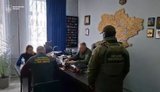 Colonel and four others suspected of embezzling over 14 million hryvnias for fortifications in Dnipropetrovsk region. PHOTOS In the Dnipropetrovsk region, law enforcement officers uncovered a corruption scheme during the construction of defensive lines. According to the investigation, officials from one of the military units, together with civilian accomplices, organised the purchase of materials for fortifications at... 9 227 27 Previously in trend: Fortifications in Dnipropetrovsk region Embezzlement of funds for fortifications
 SSU and NABU exposed management of defense plant in Dnipropetrovsk region for embezzling budget funds The SSU and NABU counterintelligence services have uncovered yet another scheme involving the embezzlement of state funds allocated for defense contracts. As a result of joint efforts, the management of a strategic defense industry enterprise in the Dnipropetrovsk region has been exposed. 2 130 12 Previously in trend: Embezzlement of funds
 SAPO and NABU expose criminal scheme to embezzle UAH 32 million in Ukroboronprom concern Detectives of the National Anti-Corruption Bureau of Ukraine (NABU) and prosecutors of the Specialized Anti-Corruption Prosecutor’s Office (SAPO) have exposed a scheme to embezzle funds from state-owned enterprises of the Ukroboronprom concern. According to the investigation, members of the... 8 180 9 Previously in trend: seizure of funds Embezzlement of funds
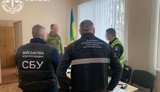 Over 30 million hryvnias in fuel losses for AFU: suspicions have been raised against officials of Ministry of Defence, General Staff, and head of housing and maintenance department. PHOTOS As part of the "Dishonest Procurement" programme, law enforcement officers uncovered schemes involving the misappropriation and overpayment of fuel for the Armed Forces of Ukraine, which caused the state more than 30 million hryvnias in losses. 2 600 8 Previously in trend: Fuel supply to AFU
 Overpayment of 420,000 hryvnias: former Sumy RMA employee suspected of violations during repairs after shelling Law enforcement authorities have served suspicion notice on a former acting head of a department at the Sumy Regional Military Administration, who through official negligence allowed an overpayment of more than UAH 420,000 during work to handle the aftermath of shelling. 592 2 Previously in trend: Embezzlement in the restoration of destroyed houses
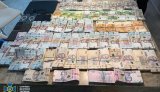 Scheme to embezzle over 50 million hryvnias during renovation of Trypilska TPP has been uncovered, - SSU. PHOTOS A scheme to embezzle funds intended for the restoration of the energy infrastructure of the Trypilska Thermal Power Plant has been uncovered. 5 583 45 Previously in trend: embezzlement during infrastructure restoration
 In Kyiv, law enforcement officers exposed scheme to steal diesel fuel from Darnytsia locomotive depot. VIDEO+PHOTOS A group of employees of the Darnytsia locomotive depot who stole fuel from diesel locomotives has been exposed. 2 949 8 Previously in trend: Fuel theft
 Embezzlement of UAH 246 million from "Dzvin" system: NABU has completed its investigation Anti-corruption authorities have completed their investigation into the case of multi-million dollar abuses during the development of the automated system of the Armed Forces of Ukraine's Operational Command Centre "DZVIN". 6 412 9 Previously in trend: Embezzlement of funds for Dzvin system
 Embezzlement of over UAH 141 million on "green" tariff: Energy companies’ activities exposed in Zaporizhzhia region, - NABU. VIDEO NABU and SAPO exposed a scheme to embezzle over UAH 141 million in state funds intended for payments under the "green" tariff, which was implemented by energy-generating companies in the temporarily occupied territory of Zaporizhzhia region. 4 033 22 Previously in trend: Embezzlement of funds
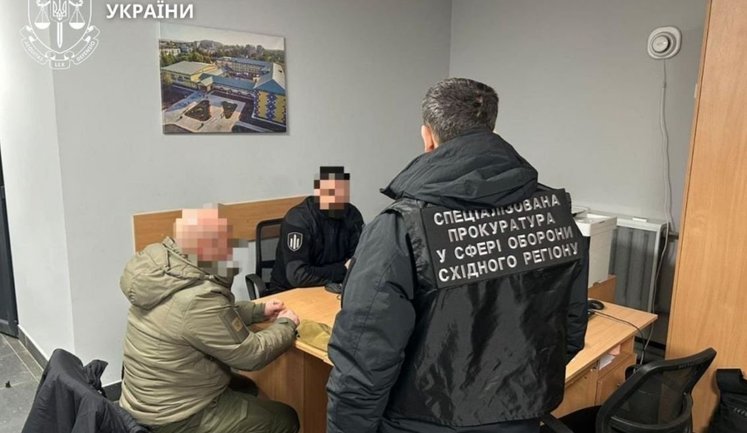
 Over 47 million hryvnias for "paper" FPV drones: criminal organisation exposed in Donetsk region, - Office of Prosecutor General. PHOTOS Under the procedural guidance of the Specialised Prosecutor's Office for the Eastern Region, investigators from the State Bureau of Investigation (SBI) in Kramatorsk uncovered a criminal organisation operating within one of the military units that was embezzling budget funds allocated for... 5 331 19 Previously in trend: stealing
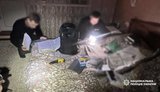 Current and former Lviv City Council officials suspected of embezzling UAH 4 mln in children’s camp repairs. PHOTO Former and current officials of the Lviv City Council have been notified of suspicion over the embezzlement of nearly 4 million hryvnias during the renovation of a children’s health camp. 2 476 3 Previously in trend: Embezzlement of budget funds
 Eight people to stand trial over embezzlement of funds during housing restoration and shelter repairs in Kryvyi Rih. PHOTOS Eight members of a criminal organisation will be tried for embezzlement during the restoration of housing and repair of shelters in Kryvyi Rih. Among the defendants are owners and managers of private companies, as well as a city council deputy. 1 097 7
 Military unit officials in Chernihiv region exposed for misappropriating 13,000 liters of fuel, SBI says. VIDEO&PHOTOS A group of military officials from one of the units in the Chernihiv region systematically stole fuel. Their illegal activities were stopped by officers of the State Bureau of Investigations, jointly with the Criminal Investigation Department of the National Police and the Security Service of... 3 500 15
 In Zaporizhzhia, unit commander through whom staff members received "combat" payments to be tried. PHOTO In Zaporizhia, the head of a military unit and the head of the financial service will be tried for allowing staff officers to receive combat bonuses. 4 308 26 Previously in trend: Abuse in defence sector
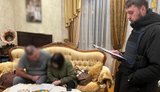 Embezzlement of 15 million hryvnias in trade unions of large energy company exposed. VIDEO+PHOTOS Law enforcement officers have uncovered the embezzlement of 15 million hryvnias in the trade unions of one of the country's key energy companies, Gas Transmission System Operator of Ukraine LLC. 3 148 21 Previously in trend: Embezzlement of funds
 15.5 million hryvnias intended for purchase of spare parts and repair of military equipment were embezzled: criminal group has been exposed, - National Police. PHOTOS In 2024, the head of a commercial enterprise organised a "victory" scheme for a company under his control in procurement for the needs of a military unit. The cost of services was unreasonably inflated. The organiser and his accomplice have been notified of suspicions. 1 562 7 Previously in trend: repair of AFU equipment stealing
 140 million hryvnias in losses: NABU exposes embezzlement scheme in heating and water supply in Donetsk region cities. PHOTO Anti-corruption authorities have exposed a group led by the head of the Housing and Utilities Department of the Donetsk RMA. They embezzled 140 million hryvnias intended to provide heat and water to three settlements. 2 221 17 Previously in trend: Fighting corruption in Ukraine
 Corruption in energy sector: back-office employee Ustymenko, involved in money laundering, taken into custody On November 12, the High Anti-Corruption Court ruled on a preventive measure for Lesia Ustymenko, suspected of involvement in a corruption scheme involving the embezzlement of funds from Energoatom. 6 834 33 Previously in trend: Energy sector corruption
 Embezzlement on drones: HACC sets bail of UAH 12 million and UAH 5 million for two State Special Communications officials The High Anti-Corruption Court has imposed preventive measures on two officials of the State Special Communications Service, whom NABU and SAPO suspect of embezzling state funds during drone procurement for the Ukrainian military. 898 2 Previously in trend: Drone industry Drone procurement corruption
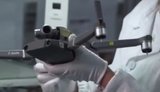 Corruption in defense sector: NABU and SAPO expose ₴90 million embezzlement on drones. VIDEO The National Anti-Corruption Bureau of Ukraine (NABU) and the Specialized Anti-Corruption Prosecutor’s Office (SAPO) have exposed a scheme to embezzle over ₴90 million during drone procurements for the Defense Forces. Officials of the State Service of Special Communications and Information... 8 012 37 Previously in trend: Embezzlement of budget funds Drone procurement corruption
Page 1 of 3
more news