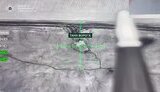
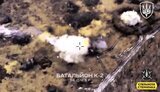
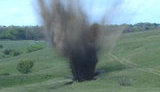
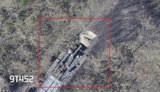
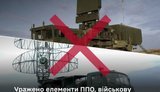
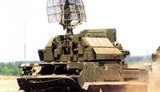
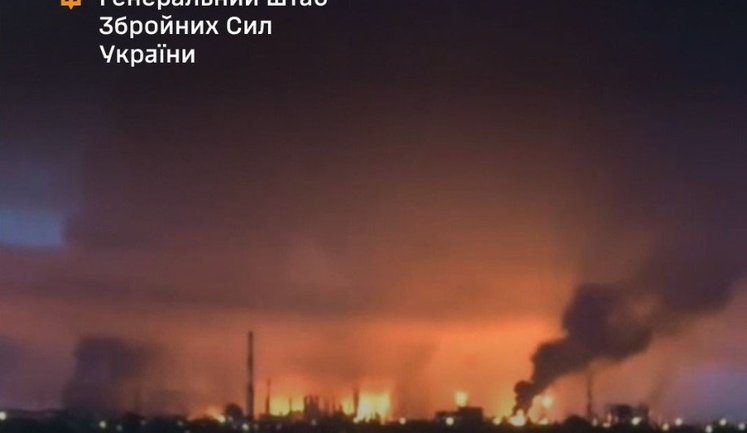
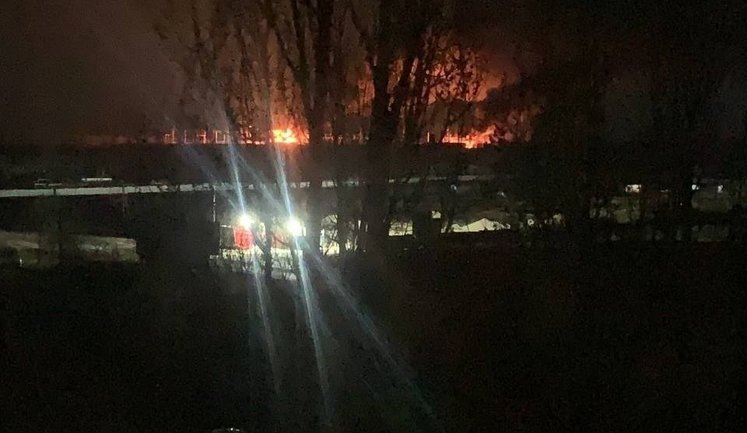
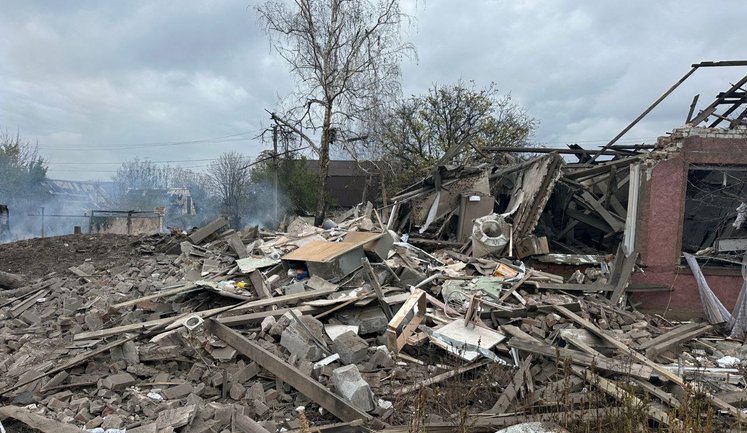
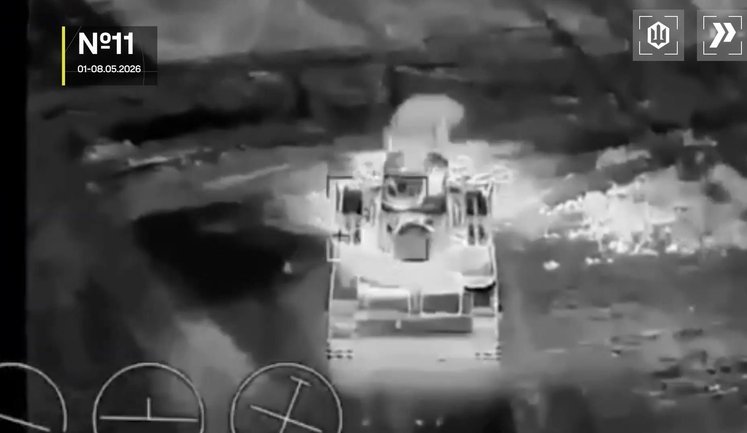
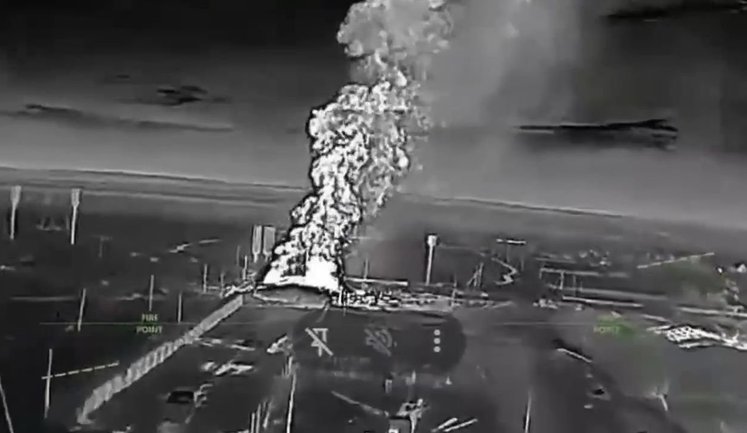
The Luhansk region remains a focal point in the ongoing military conflict, with Ukrainian Defense Forces executing strategic strikes on Russian positions. Recent operations have seen Ukraine utilize drone warfare to significant effect, hitting crucial command posts, troop concentrations, and defense systems such as the Tor-M2 and Buk-M1. Despite claims from Russia of having full control over the region, Ukrainian President Volodymyr Zelenskyy refutes this, highlighting ongoing resistance efforts. The National Guard's Lasar’s Group has notably disrupted Russian operations by targeting BM-30 rocket systems, amplifying Ukraine's efforts to deter aggression.
What military targets have Ukrainian forces targeted in Luhansk region?
Ukrainian forces have been targeting key military structures in the Luhansk region, including command posts, logistics and troop concentrations, air defense systems like Tor-M2 and Buk-M1, unmanned aerial vehicle depots, and enemy communication nodes. The focus is on diminishing the offensive and defense capabilities of the Russian forces occupying the area.
How has drone warfare impacted the conflict in Luhansk region?
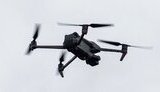
Drone warfare has significantly shifted the dynamic in the Luhansk region, allowing Ukrainian forces to conduct precise and effective strikes on high-value targets from a distance. This includes strikes on air defense systems, radar stations, and Russian logistical setups. The ability to operate with agility and precision has increased the effectiveness of Ukrainian defense efforts.
How long might it take for Russia to fully occupy Luhansk and Donetsk regions?
According to recent analyses, at the current pace of military engagements, it could take Russia upwards of 30 years to fully secure control over both the Donetsk and Luhansk regions. This projection considers the continued resistance and strategic disruptions imposed by Ukrainian forces.
What is the role of the National Guard’s Lasar’s Group in the current operations?
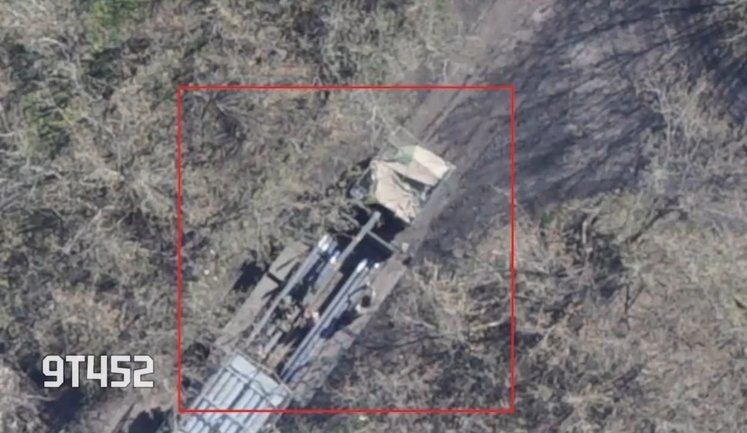
The National Guard’s Lasar’s Group has been at the forefront of targeting strategic enemy equipment in Luhansk region. Notably, they have successfully incapacitated Russian multiple rocket launch systems such as BM-27 and BM-30 models. Their operations in the region are a critical component in neutralizing major threats and supporting broader operational goals.
What has President Zelenskyy said about the Russian claims over Luhansk?
President Zelenskyy has publicly disputed Russian assertions of complete control over the Luhansk region. He maintains that Ukrainian forces continue to resist and actively engage Russian troops, challenging the false claims of full occupation propagated by Russian authorities.
How have Ukrainian offenses impacted Russian military logistics in Luhansk?
Ukrainian strikes have extensively disrupted Russian military logistics within the Luhansk region. By targeting fuel depots, transport hubs, and supply warehouses, Ukrainian forces have effectively weakened the logistical support lines, complicating Russian military operations and reducing their operational efficiency.
What does the future hold for military operations in the Luhansk region?
Looking forward, military operations in the Luhansk region are likely to remain intense, focusing on eroding the military capacity of Russian forces through sustained and strategic strikes. Ukraine's continued use of advanced aerial systems and precise targeting will be crucial in maintaining their defensive position and creating potential for offensive maneuvers.