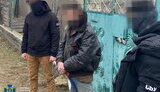
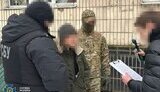
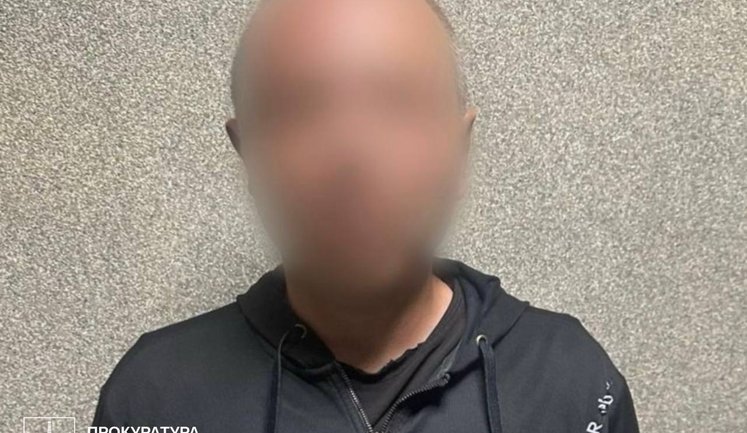
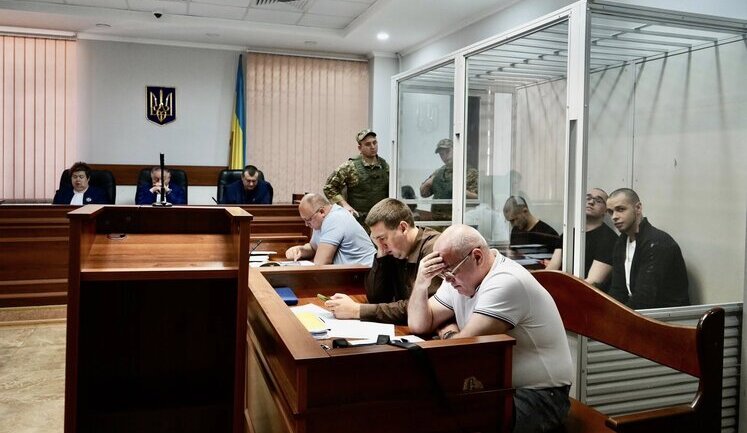
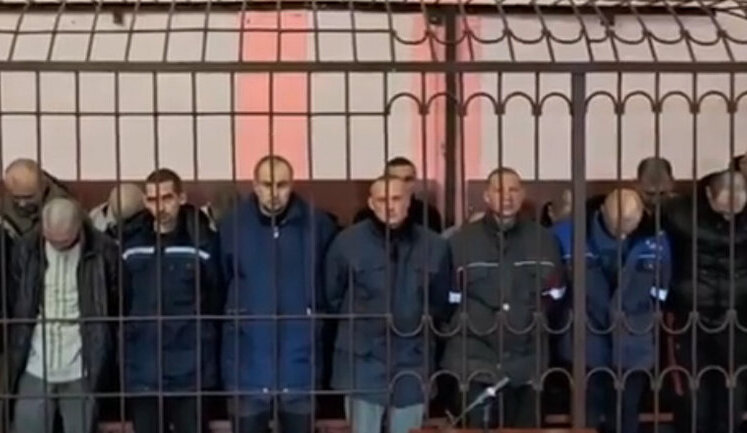
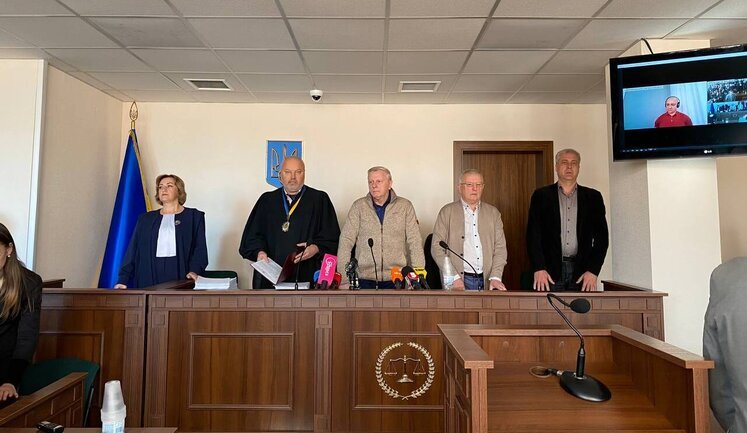
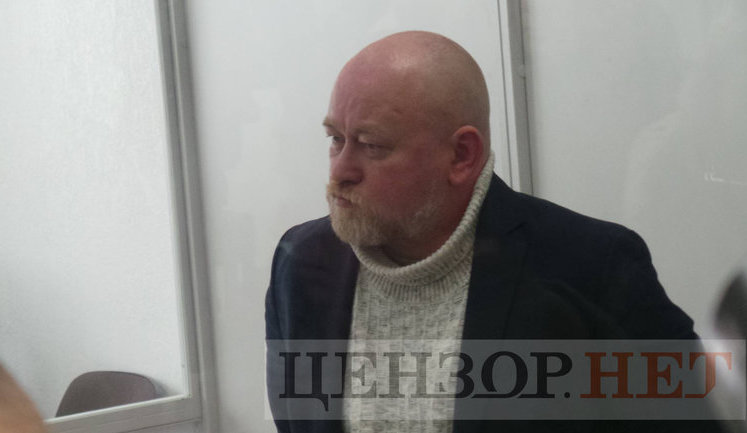
The sentencing landscape in Ukraine and beyond remains stark, with several high-profile cases taking the spotlight. A former officer from the Lviv region received a life sentence for leaking military secrets to Russia, highlighting the severe penalties for betrayal. A noteworthy case involves a Russian agent jailed for 15 years for planning a terror act in Kyiv. Additionally, the Ukrainian court imposed life sentences on individuals involved in egregious war crimes against Ukrainian soldiers. These sentences emphasize Ukraine's commitment to justice amidst ongoing international tensions. Significant corruption cases also made headlines, with notable figures receiving substantial prison terms, underscoring the judiciary's effort to tackle corruption and uphold the rule of law.
What are the consequences of betraying Ukraine as seen in recent sentencing news?
Those who betray Ukraine face severe penalties, as seen with the former officer from Lviv sentenced to life imprisonment for leaking military equipment details to Russia. This highlights Ukraine's strict stance against treason and its commitment to national security.
How are war crimes being handled in Ukraine's legal system?
Ukraine is pursuing stringent measures against war crimes. Individuals committing atrocities, like executing soldiers or aiding the enemy, receive severe sentences, often life imprisonment, reflecting the country's dedication to justice and deterrence of future crimes.
What significant corruption cases have led to harsh sentences recently?
Recently, Ukrainian courts have handed down severe sentences in corruption cases involving former officials. This includes MPs and high-ranking government figures receiving years of imprisonment, emphasizing a robust approach to eradication of corruption and ensuring transparency.
Can you explain the sentencing of Russian agents operating against Ukraine?
Russian agents involved in espionage or sabotage activities in Ukraine are receiving substantial prison terms. For instance, agents planning terror attacks or spying on military operations often face sentences of up to 15 years, highlighting Ukraine's vigilance in protecting its sovereignty.
What are the penalties for crimes against civilians during military conflicts in Ukraine?
The Ukrainian courts impose severe penalties for crimes against civilians during conflicts, with life sentences frequently applied. This tough stance aims to maintain human rights and assure justice for victims amidst the ongoing hostilities.
What was the outcome for former Ukrainian President Yanukovych in recent court rulings?
Viktor Yanukovych, the former President of Ukraine, has been handed a 15-year sentence for treason, stemming from actions such as inciting military personnel to abandon their posts. This underscores the ongoing accountability for past political leaders within Ukraine's judicial processes.
Are there cases of sentencing for espionage in Ukraine's current news?
Yes, espionage cases are prevalent in Ukraine's legal news, with individuals caught supplying sensitive military information to adversaries receiving long prison terms. Such measures are crucial to safeguarding national security against intelligence threats.
What are the legal repercussions for officials caught in corruption in Ukraine?
Caught officials in corruption, including former heads of state services, are facing lengthy sentences and fines. These repercussions reinforce a zero-tolerance policy towards corruption within the Ukrainian government framework and promote integrity in public office.