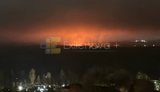
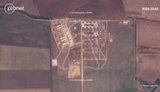
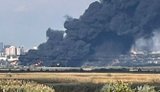
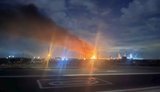
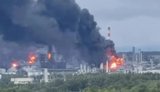
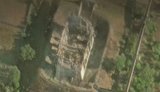
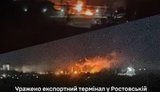
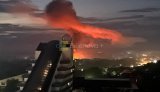
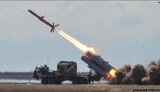
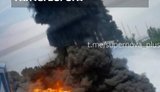
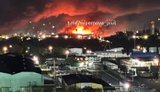
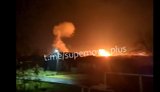
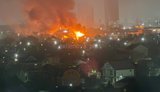
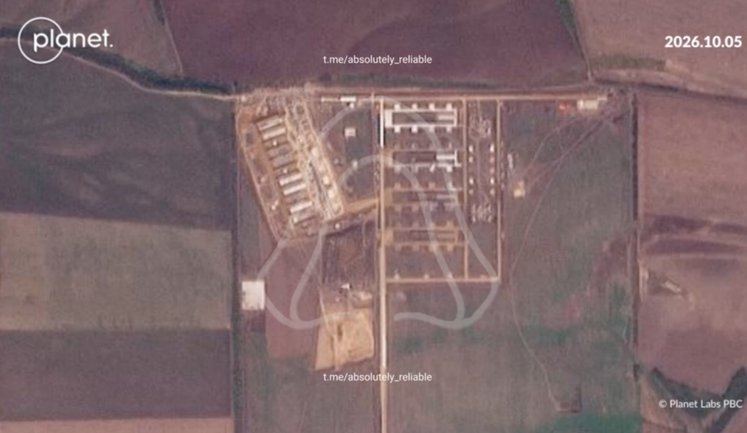
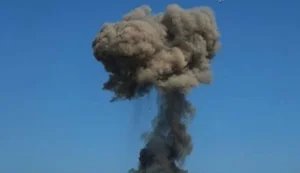
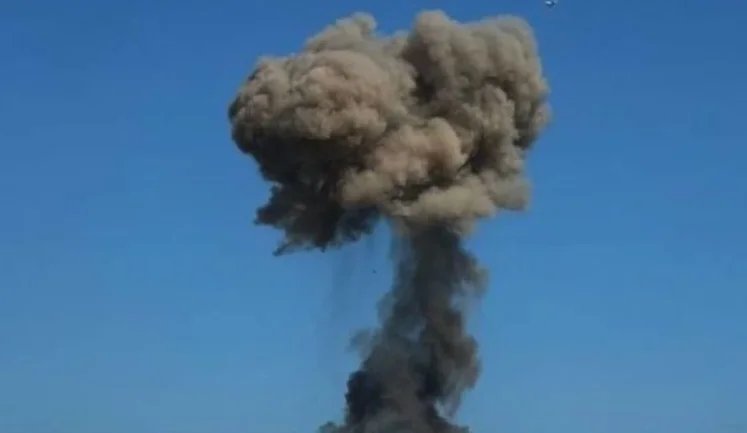
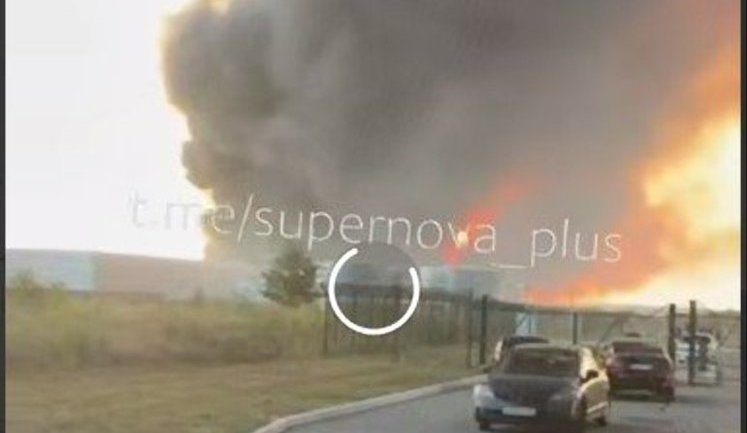
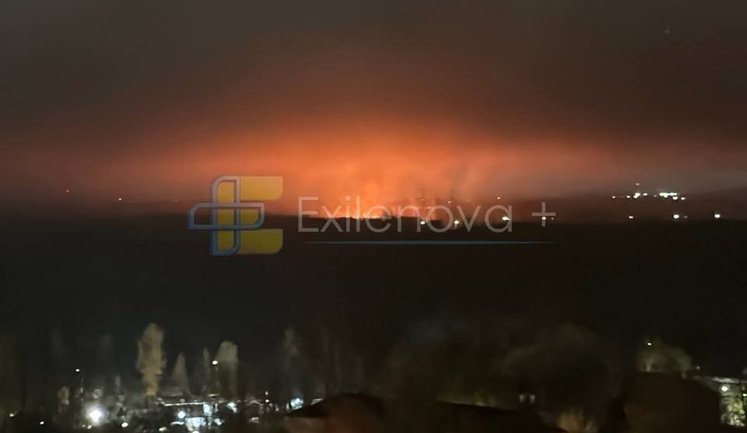
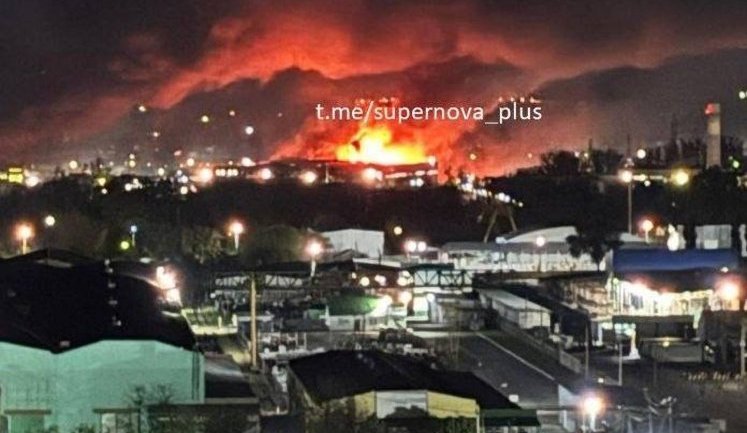
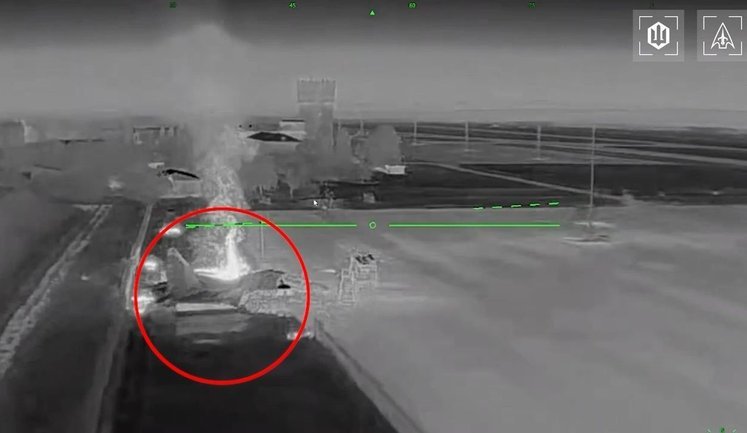
Recent developments in the Rostov Region of the Russian Federation have marked an escalation in conflict, with multiple strikes on key facilities. The Azov Optical-Mechanical Plant was targeted on the night of September 26, 2026, by the Ukrainian Defence Forces, highlighting the region's volatile situation. Additionally, the Ilsk Oil Refinery was struck, further intensifying the ongoing tensions. Ukrainian leadership, including President Zelenskyy, emphasized the strikes as retaliatory measures against ongoing aggressions. Drone attacks continue to plague the area, causing fires in places like Taganrog and Novoshakhtinsk, indicating persistent instability.
What recent facilities were hit in the Rostov Region?
Recently, the Ukrainian Defence Forces struck the Azov Optical-Mechanical Plant and the Ilsk Oil Refinery in the Rostov Region, along with other industrial facilities like the Novoshakhtinsk Oil Products Plant.
How has Ukraine responded to attacks from the Russian Federation?
Ukraine has responded with strategic strikes on key industrial and military sites within the Russian Federation, particularly in the Rostov Region, to reduce the aggressor's capacity for further hostile actions.
What impact do the strikes have on the Rostov Region's infrastructure?
The strikes have significantly damaged industrial facilities in the Rostov Region, causing operational disruptions, fires, and necessitating temporary suspensions, contributing to broader regional instability.
What is the significance of drone attacks in the Rostov Region?
Drone attacks have become a recurring tactic, causing substantial damage and fires at multiple sites like warehouses and refineries in the Rostov Region, exemplifying modern warfare's evolving landscape.
How has the Russian Federation responded to these strikes?
The Russian Federation has reported the damage and typically sought to bolster defenses in impacted areas. However, exact details of their strategic response are often shrouded in ambiguity.
Why is the Rostov Region frequently targeted in the conflict?
Strategically located, the Rostov Region hosts several significant military and industrial facilities, making it a recurrent target for strikes aiming to diminish Russia's operational capabilities.
What role does President Zelenskyy play in these military operations?
President Zelenskyy has been vocal about the strategic nature of these strikes, emphasizing them as necessary countermeasures to Russian aggressions and a crucial part of Ukraine's defense strategy.