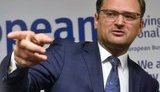
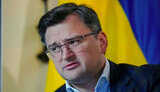
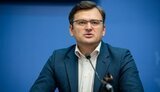
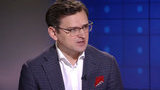
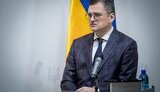
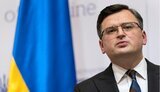
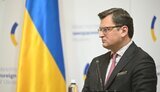
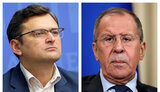
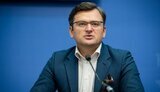
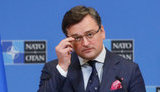
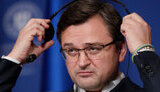
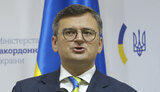
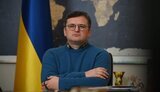
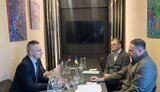
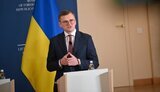
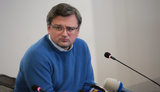
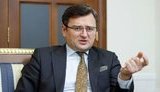
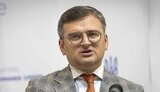
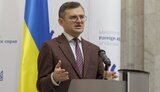
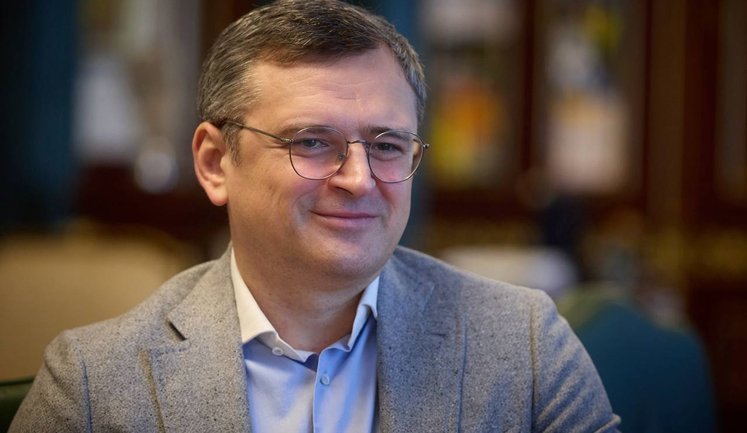
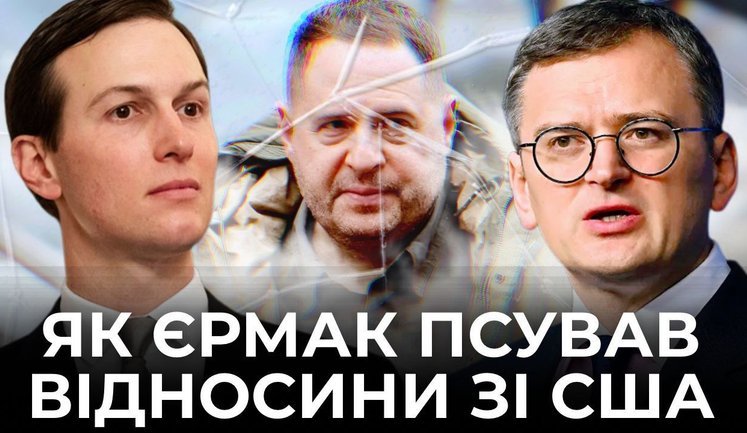
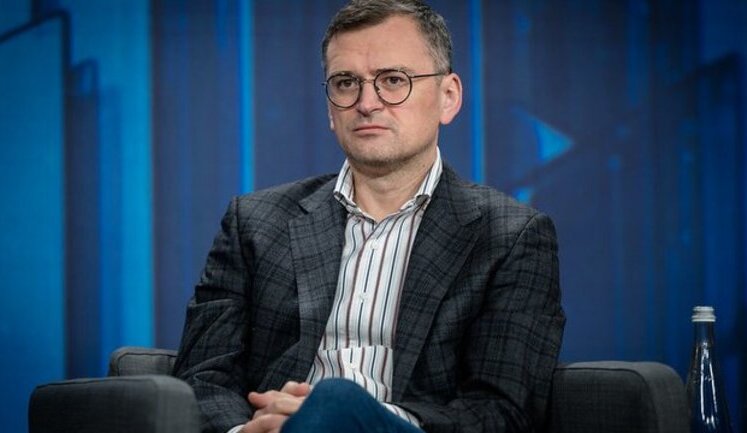
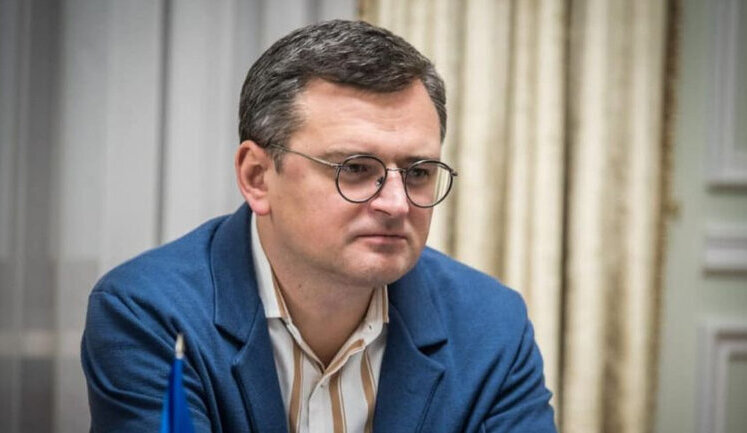
Dmytro Kuleba, former Ukrainian Foreign Minister, has been at the center of Ukraine's complex diplomatic efforts. His tenure has seen key interactions, such as his appeal to Western partners to support Ukraine with air defense systems and weapons amid Russian aggression. Notably, Kuleba's statements aimed at President-elect Donald Trump regarding NATO reflect Ukraine's strategic communication efforts. His dismissal in 2024 was attributed to internal tensions with Andriy Yermak, who sought greater control over the Foreign Ministry. Kuleba's resignation also echoed broader geopolitical frustrations, including the West's reluctance to grant Ukraine permission for strategic strikes on Russian territories. Throughout his service, Kuleba has consistently addressed fears of escalation among allies and emphasized the need for robust defense partnerships.
Why was Dmytro Kuleba dismissed from his position as Foreign Minister?
Dmytro Kuleba was dismissed due to tensions with Andriy Yermak, who wanted more control over the Foreign Ministry. Political dynamics and his stance on foreign policy contributed to his exit. His disagreements with key figures in Ukraine's Presidential Office played a crucial role, reflecting the internal complexities of Ukraine's political landscape during his term.
What is Dmytro Kuleba’s stance on Ukraine joining NATO?
Dmytro Kuleba supports Ukraine's NATO aspirations, voicing the possibility of joining without reclaiming occupied territories as a strategic signal to the incoming U.S. administration. His stance illustrates a pragmatic approach to Ukraine's long-term security objectives amidst ongoing territorial disputes and geopolitical challenges.
What role did Dmytro Kuleba play in air defense discussions with allies?
Dmytro Kuleba actively engaged with Ukraine's allies, advocating for the supply of air defense systems and highlighting the necessity of robust support to counter Russian threats. His diplomatic efforts focused on strengthening Ukraine's defense capabilities, ensuring timely military assistance, and expediting the provision of critical systems like Patriots.
How did Dmytro Kuleba address concerns about escalation in the Russia-Ukraine conflict?
Amid fears of escalating conflict, Dmytro Kuleba urged international partners to remain steadfast and proactive in their support of Ukraine. He emphasized that the focus should shift to deterring Russian aggression, advocating for decisive actions rather than hesitation driven by fears of provoking Moscow.
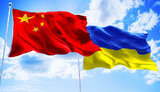
What significant events defined Dmytro Kuleba’s diplomatic approach with China?
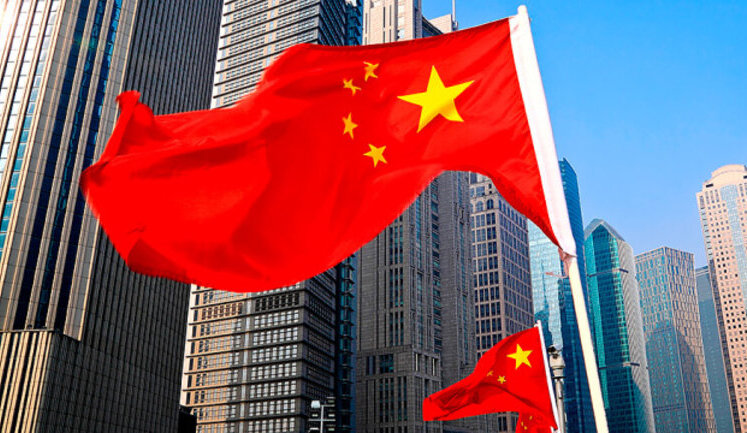
Dmytro Kuleba's approach involved dialogues with China regarding peace initiatives and emphasizing Ukraine's pursuit of stable relations. His visits to China aimed to engage in constructive discussions to mediate tensions, showcasing Ukraine's commitment to finding diplomatic solutions aligned with broader international peace efforts.
How did Dmytro Kuleba handle Ukraine’s international relations after Russian military actions?
Following Russian strikes, Dmytro Kuleba consistently called for international condemnation of Russian aggression and urged neighboring countries to intercept threats. His diplomatic strategy focused on rallying international support and advocating for enhanced military collaborations to prevent further escalations and ensure regional stability.
What was Dmytro Kuleba's approach towards the European Union?
Kuleba emphasized Ukraine's commitment to EU integration, advocating for policies that align with European standards. He underscored significant steps like the ratification of the Rome Statute as pivotal in advancing Ukraine's membership prospects, also discussing strategic cooperation with EU representatives to strengthen bilateral ties.