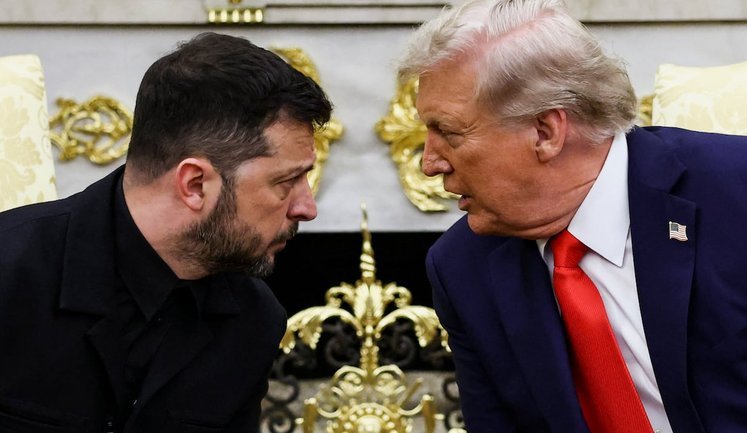
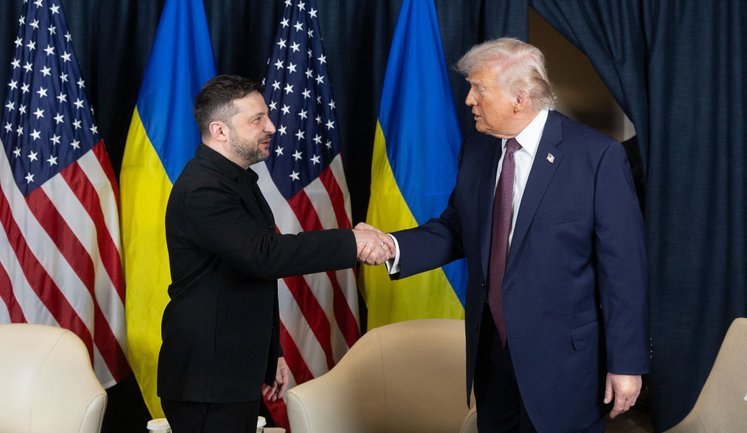
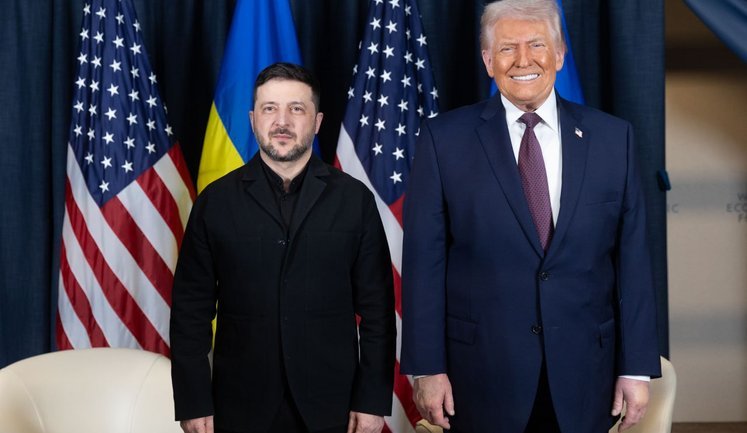
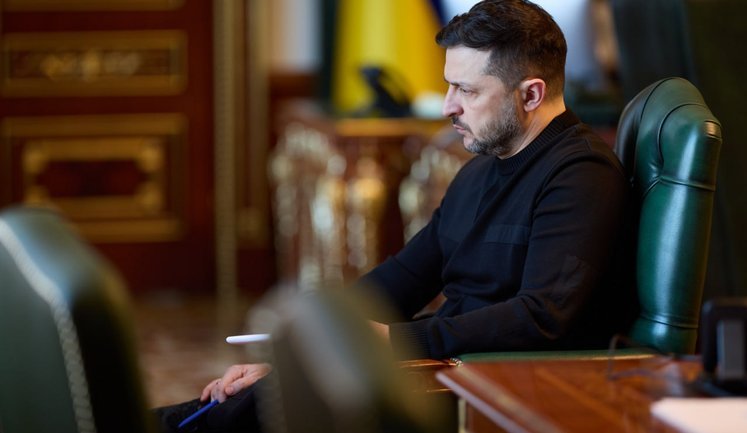
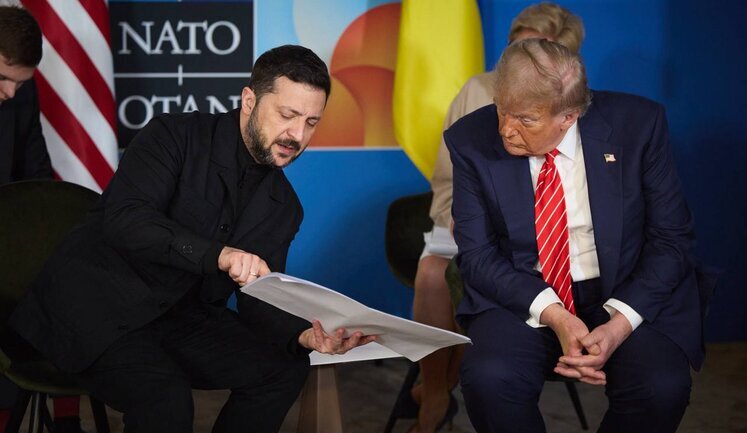
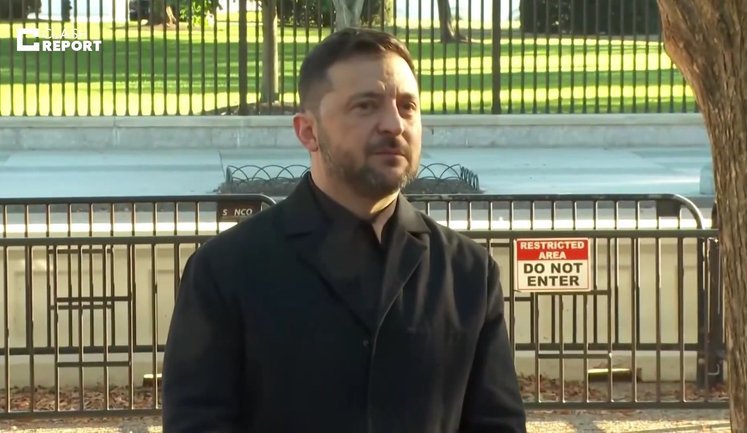
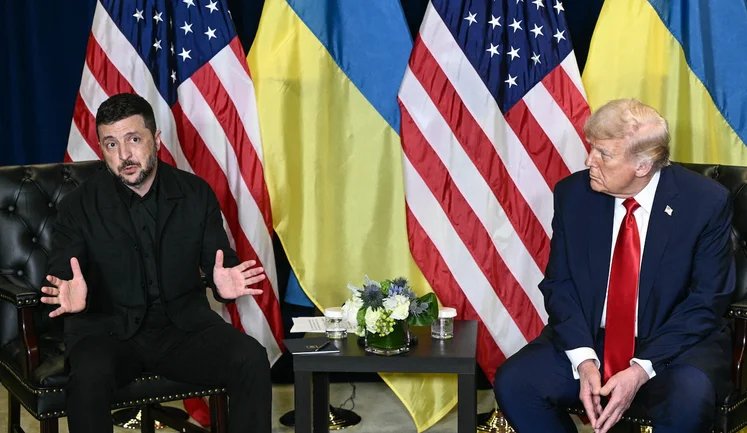
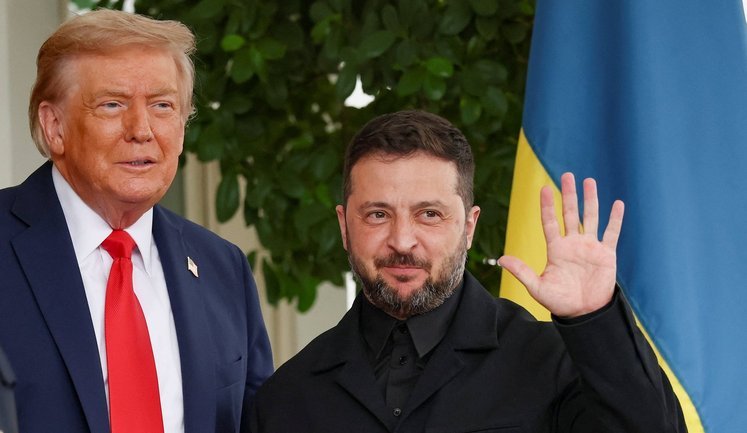
President Volodymyr Zelenskyy of Ukraine has arrived in the United States to meet with President Donald Trump in Florida. This crucial meeting focuses on significant differences in peace plan approaches. Zelenskyy stresses the importance of security guarantees for Ukraine. Previously, both leaders have shown diverging views on the terms of a potential peace deal. The meeting, organized at Mar-a-Lago by the White House, signifies ongoing diplomatic efforts. Both parties aim to conclude talks that could edge closer to a resolution to the Russia-Ukraine conflict. These discussions reflect their commitment to a peaceful settlement despite existing discrepancies in their proposals.
What are the main topics of the Zelenskyy-Trump meeting?
The Zelenskyy-Trump meeting will predominantly cover security guarantees for Ukraine and various provisions of a peace settlement to address the ongoing Russia-Ukraine conflict. Both leaders have expressed interest in discussing potential terms of a peace agreement which aim to bring an end to military hostilities and ensure regional stability.
Where is the Zelenskyy-Trump meeting taking place?
The meeting between Ukrainian President Volodymyr Zelenskyy and US President Donald Trump is being held in Florida, specifically at the Mar-a-Lago estate. This location has been chosen for its significance in hosting diplomatic meetings of this nature, allowing for direct bilateral discussions in a diplomatic environment.
Are there differences in peace plan approaches between Zelenskyy and Trump?
Yes, there are significant differences between the peace plan approaches of President Zelenskyy and President Trump. While both desire a resolution to the conflict, their views diverge on the details of a peace agreement, including specific security guarantees and terms regarding territorial disputes between Ukraine and Russia.
How does Zelenskyy view Trump's proposal on peace negotiations?
President Zelenskyy has shown cautious optimism toward President Trump's proposal regarding peace negotiations. While recognizing it as a potential compromise, Zelenskyy has expressed concerns about the acceptance of such a proposal by Russian officials, noting that further discussions are necessary to align all parties on an agreeable outcome.
Has there been previous tension in US-Ukraine relations regarding peace plans?
Tensions have previously arisen in US-Ukraine relations concerning peace plans, especially when allegations surfaced that President Trump pressured Ukraine to concede territory to Russia. However, Trump has denied these claims, reaffirming an unwavering support for Ukraine's sovereignty and a peaceful resolution to ongoing conflicts.
Why is European solidarity important for Ukraine according to Tusk?
European solidarity is deemed crucial for Ukraine as expressed by EU representatives such as Donald Tusk. In the geopolitical context of Russia-Ukraine tensions, the support of European nations amplifies Ukraine's position in negotiations and provides a united front to counteract external pressures for unfavorable peace terms.
What is the current status of security guarantees for Ukraine?
Security guarantees for Ukraine remain a pivotal aspect of ongoing diplomatic discussions with the US and other allies. Ukraine, under President Zelenskyy's leadership, seeks the establishment of robust security measures that will assure protection and prevent further territorial aggression, thus forming a cornerstone of any potential peace accord.