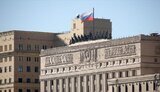
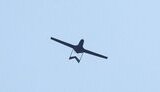
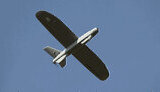
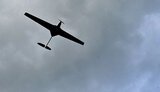
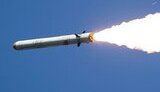
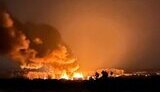
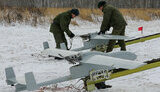
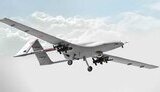
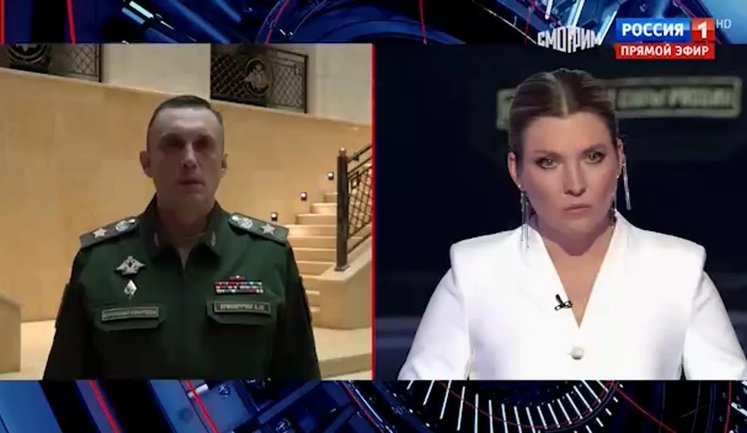
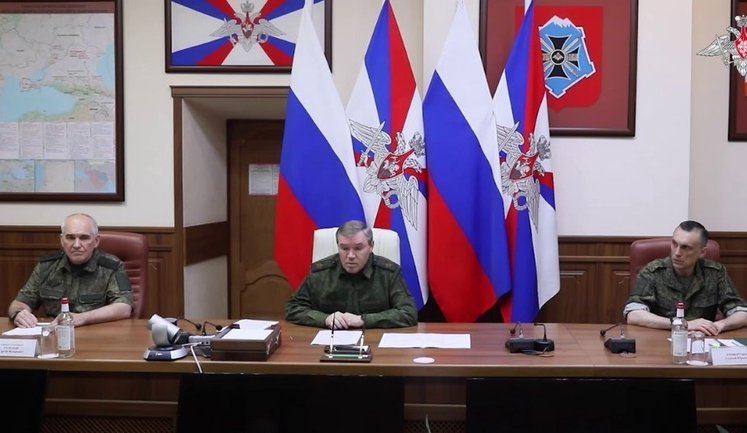
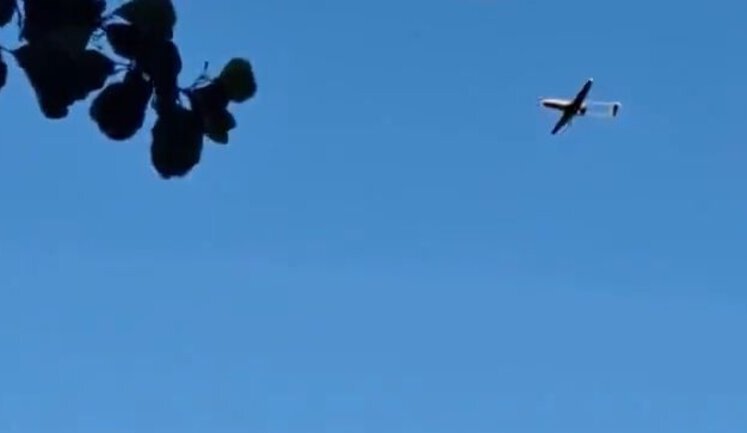
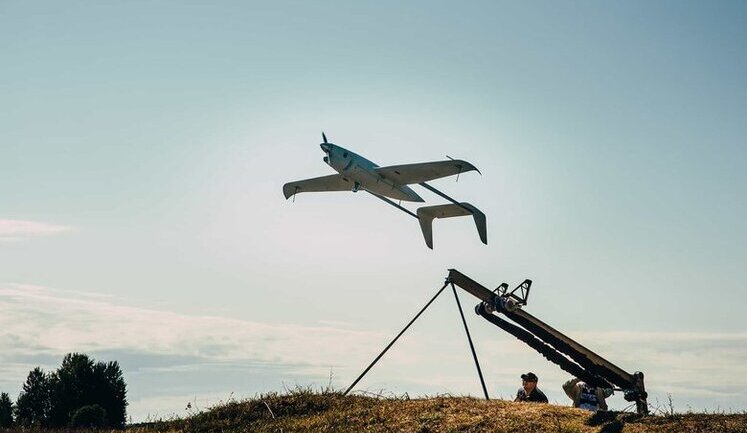
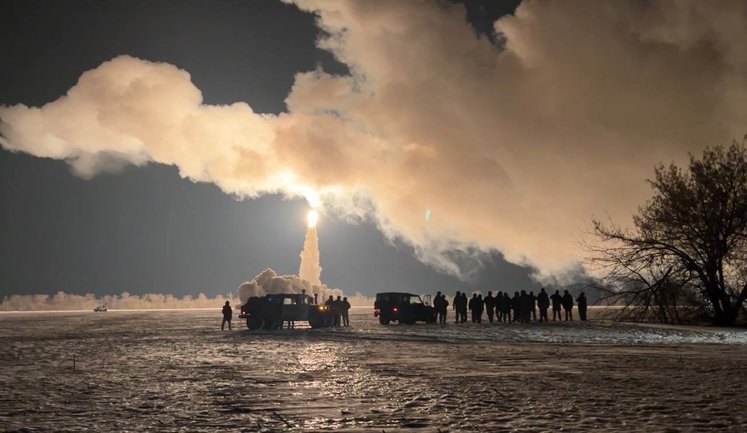
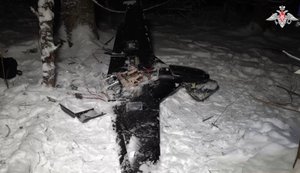
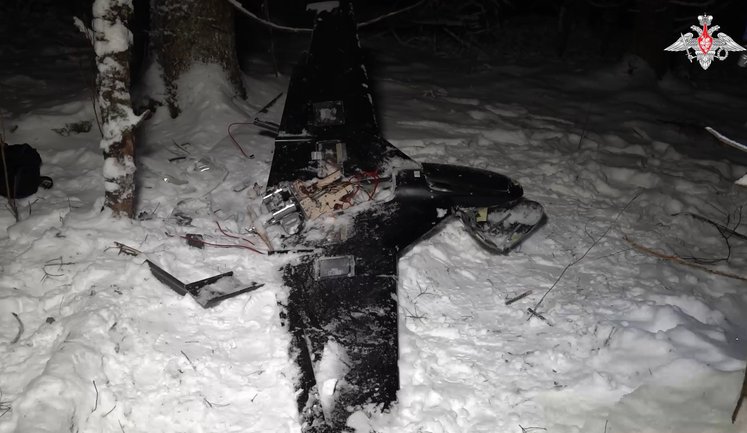
The Ministry of Defense of the Russian Federation has been in the spotlight following multiple claims regarding drone incidents and military operations. The Ministry asserts its air defense systems have intercepted various drone attacks, allegedly orchestrated by Ukraine across Russian territories and occupied regions like Crimea. These reports highlight the ongoing tension and defensive measures purported by Russia. A notable incident involves an alleged attack on Putin's residence, which the Ministry described as a Ukrainian drone operation, although no significant damage was reported. The Ministry continues to label its military strikes on Ukraine as counter-responses to preserve Russian territory and respond to 'terrorist' threats, maintaining its narrative amidst international scrutiny. The situation remains complex, with numerous declarations regarding drone interceptions and military confrontations, fueling geopolitical debates about the conflict's true nature and the validity of these proclamations.
What details did the Russian Ministry of Defense provide about the drone attacks?
The Russian Ministry of Defense has claimed numerous interceptions of Ukrainian drones, reporting dozens of UAVs shot down over Russian regions and territories, including Crimea. These assertions, however, remain disputed by Ukrainian authorities, adding layers of complexity and skepticism from international observers regarding the accuracy and intentions behind these declarations.
How has the Russian Ministry of Defense responded to alleged Ukrainian drone attacks?
The Ministry has emphasized its air defense capabilities in repelling these drone incursions. The defense body frequently reports on successful interceptions and continually asserts that these offensive actions are necessary to protect Russian sovereignty and infrastructure. Such responses are often framed as defensive measures against what the Ministry categorizes as terrorist activities from Ukraine.
What is the Russian Ministry of Defense's narrative on strikes against Ukraine?
The Ministry presents its military actions against Ukraine as retaliatory strikes. It claims these are in response to purported Ukrainian assaults on civilian targets within Russia. This narrative is used to justify significant military engagements, which Russia labels as vital for protection against perceived Ukrainian military aggression.
How does the Russian Ministry of Defense view its military activities in occupied regions?
The Russian Ministry of Defense maintains a position that its military operations in occupied regions, including Crimea, are defensive and legitimate. The Ministry often portrays these actions as safeguarding Russian interests and countering threats purportedly posed by Ukraine and its allies, although these claims are disputed on the international stage.
What incidents have been highlighted by the Russian Ministry of Defense as significant threats?
Incidents involving UAV attacks have been featured prominently in the Ministry's communications. Highlights include claimed strikes on strategic targets like energy facilities and military airfields, which Russia uses as evidence of active Ukrainian military threats. However, the veracity of these incidents is frequently challenged, complicating the narrative and leading to broader skepticism internationally.
How does the international community react to the Russian Ministry of Defense's statements?
The international response is mixed and often critical of the Russian Ministry of Defense's claims. Many nations and independent experts view these statements with skepticism, pointing out inconsistencies and demanding evidence for accusations against Ukraine. This contributes to ongoing debates about the conflict's portrayal and motivations behind Russian military actions.
How frequent are the reports from the Russian Ministry of Defense regarding drone interceptions?
The Russian Ministry of Defense frequently reports on the interception of Ukrainian drones, often claiming large numbers taken down within short periods. These reports are a regular part of the Ministry's communications strategy, emphasizing their defensive posture while maintaining narratives of Ukrainian aggression despite lacking corroborative evidence from independent sources.