ENG




12426 visitors online
Ukraine's energy sector faces critical challenges as ongoing Russian military actions persistently target vital infrastructure. In recent weeks, significant power outages have affected Kyiv and Kharkiv regions, causing hardships for residents. Notably, Vyshhorod community is striving to restore its electric power supply after being in the dark for days. President Zelenskyy highlights the need for funds to secure gas imports, crucial for stabilizing energy supplies amidst continual threats to infrastructure. DTEK's efforts to restore power have brought relief to thousands of households across multiple regions, underscoring the resilience of Ukraine’s power engineers. The situation remains dire, with substantial efforts underway to mitigate the damages and ensure a stable electric power supply across the country.
What are the main causes of power outages in Ukraine?
Power outages in Ukraine are primarily due to deliberate Russian military strikes targeting energy infrastructure such as power plants and substations. These attacks lead to widespread disruptions in electric power supply, affecting numerous regions and creating significant challenges for repair efforts.
How is Ukraine addressing electric power supply disruptions?
Ukraine is actively working to address power supply issues through rapid restoration efforts by power companies like DTEK. Additionally, the government is focusing on securing funds for gas imports and seeking international support to rebuild and defend their critical infrastructure against ongoing threats.
Which regions in Ukraine are most affected by power cuts?
Regions such as Kyiv, Kharkiv, and Sumy have been heavily impacted by power cuts due to targeted attacks on their energy infrastructure. Efforts are being made to restore electric power, but challenges persist due to the extent of damage and ongoing threats.
What role does international support play in Ukraine's energy crisis?
International support is crucial for Ukraine’s energy sector, helping to provide financial resources and technical assistance necessary for the repair of damaged infrastructure. Countries and organizations are collaborating with Ukraine to help restore stability and prevent further energy shortages.
What measures are in place to protect Ukraine's energy infrastructure?
Ukraine has implemented enhanced security measures around key energy facilities and is in continuous collaboration with allied countries to improve defense strategies. Additionally, ongoing diplomatic engagements aim to highlight the critical issues and seek broader international intervention.
News electric_power
 More than 56,000 customers in Kryvyi Rih lose power due to accident More than 56,000 customers in Kryvyi Rih lost power on the evening of September 16 following an accident at a substation. 820 4 Previously in trend: Power outages
 Ukrainians urged to conserve electricity amid hot weather Ukrainians are being urged to use electricity sparingly due to increased strain on the power system. 1 819 21 Previously in trend: Power outages Extreme heat in Europe
More than 55,000 customers in Nikopol district left without power after Russian attacks More than 55,000 customers in the Nikopol district of the Dnipropetrovsk region were left without electricity due to attacks by Russian forces. 475 0 Previously in trend: Shelling of the Dnipropetrovsk region
 Following Russian attack on Konotop, there have been disruptions to electricity and water supplies, - mayor In Konotop in the Sumy region, power and water outages continue following the Russian attack. 849 0 Previously in trend: UAVs attack on the Sumy region
 DTEK restores power to more than 140,000 families in capital after overnight shelling Specialists of DTEK Kyiv Grids have completed emergency restoration work after the massive overnight shelling of the capital. 614 6 Previously in trend: Power outages are cancelled Massive combined attack
 Power engineers begin reconnecting grid in Vyshhorod community In the Vyshhorod community in the Kyiv region, a phased restoration of power supply is beginning after an enemy strike that left some residents without electricity for a fourth day. 886 3 Previously in trend: Power outages
 Hard to say what will happen with electricity. Task is to have funds to ensure gas imports – Zelenskyy Russia will continue attacking Ukraine’s energy infrastructure. 2 652 30 Previously in trend: Attacks on the energy sector
 Enemy destroyed two more transformer substations that supplied Kharkiv. Coming winter will be hardest, - Terekhov In recent days, the enemy has destroyed two transformer substations that supplied power to Kharkiv. This is a serious blow to the capacity of JSC Kharkivoblenergo. 3 590 9 Previously in trend: Attacks on the energy sector
 Power partially restored in Slavutych after Russian attack – RMA Power has been partially restored in Slavutych after the Russian attack on October 1. 828 0 Previously in trend: Drone attack on Kyiv region
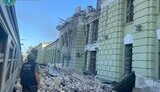 Night shelling of Lozova: 80% of city left without power On the night of July 5, Russian forces shelled the city of Lozova in the Kharkiv region, causing about 80% of residents to lose power. 1 121 8 Previously in trend: Shelling of Kharkiv region
 Enemy deliberately attacks energy and gas facilities in Sumy region, - RMA Almost 20 thousand consumers in 147 settlements of Sumy region are left without electricity. 712 5 Previously in trend: Shelling of Sumy region
 DTEK restores electricity supply to more than 281 thousand consumers in four regions In December 2024, thanks to the efforts of DTEK Grids, electricity supply was restored to more than 281,000 subscribers in four regions of Ukraine, including Dnipropetrovsk, Donetsk, Odesa, and Kyiv regions. 423 0 Previously in trend: War
 DTEK restores power supply to over 4 thousand homes in Kyiv region overnight Power engineers of DTEK Kyiv Regional Power Grids have promptly restored power supply to 4,163 houses in Kyiv region that were cut off after Russian shelling. This was reported by the company's press service. 413 1 Previously in trend: War
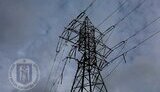 Shahed’s attack on Kyiv: debris damages high-voltage power line On the morning of October 31, a high-voltage line was damaged in Kyiv as a result of a Russian drone crash. 1 467 0
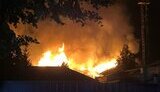 Defense Forces hit at least 4 power substations in Kursk region of Russia - there are power outages - General Staff Forces and means of the SSU Special Operations Center "A" hit at least four power substations in the Kursk region of Russia. As a result, power outages are being recorded in the region. 4 407 41
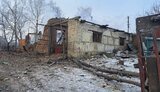 Russians destroyed base for rapid electricity restoration in Kharkiv region with air bombs. PHOTOS As a result of a Russian air strike on the Kupiansk district in the Kharkiv region, equipment, tools, inventory, and a brigade vehicle were destroyed. 8 514 13
 Moldova hands Ukraine electrical equipment worth almost 5 million hryvnias Moldova will send Ukraine equipment to support the energy infrastructure with a total cost of almost 5 million hryvnias. 1 208 3
 There is significant deficit in energy system, - Ukrenergo As of December 7, the Ukrainian energy system continues to have a significant deficit. Oblenergo proved the limits of electricity consumption. 14 026 37
 Ukraine’s electricity needs are covered by 70%, - Ukrenergo In Ukraine, as of 11:00 a.m. on November 25, electricity producers covered 70% of consumption needs. 2 020 8
 Ukraine is again connected to EU energy system. Scheduled schedules can be returned in 1-2 days, - Ukrenergo The Ukrainian energy system has passed the most difficult stage after the last attack by the Russians. All regions are restored, the energy system is again connected to the energy system of the European Union. 4 780 15
 Emergency power outages continue in Kyiv. Schedules are not valid Emergency blackouts continue in Kyiv on Friday, November 25. Previously published schedules are not working yet. 2 215 6
 US and EU will continue to support Ukraine’s energy sector, - White House Representatives of Washington and Brussels condemned the attacks of the Russian Federation on the Ukrainian energy infrastructure. 983 1
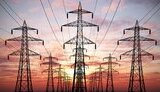 Ukrainian energy workers need from 3 to 5 weeks to return to more or less usual level of comfort The main reason for the lack of electricity is the significant damage to the ways of its transportation, and not the amount that the country produces. 4 380 10 Previously in trend: Russian aggression against Ukraine
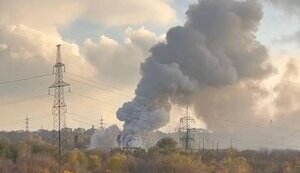
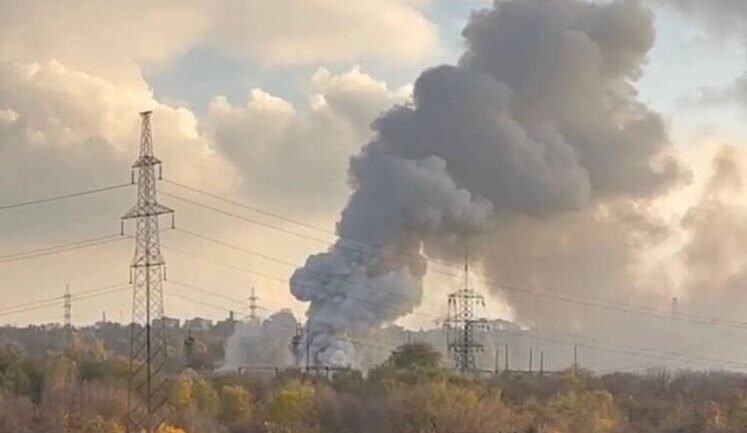
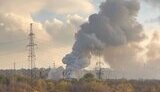 In Dnipro, substation caught fire, part of city was without electricity. VIDEO&PHOTOS. VIDEO&PHOTOS A large-scale fire broke out at an electrical substation in Dnipro. At the place of ignition, black clouds of smoke can be seen rising into the sky. 14 936 43
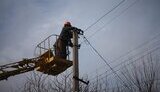 As result of rocket attacks, 1,307 settlements remain without electricity, - State Emergency Service of Ukraine As of 21:00, as a result of rocket fire, 1,307 settlements remain without power 1 122 0 Previously in trend: Russian aggression against Ukraine
 There was explosion in occupied Enerhodar. Electricity went out in city An explosion occurred in Enerhodar, captured by Russian troops. After that, the electricity went out. 12 185 13 Previously in trend: Occupied territories - Crimea and Donbas
Europe is preparing for blackouts due to gas crisis, - Reuters The suspension of gas supplies from Russia endangers the work of telecommunications operators in Europe and forces them to look for backup ways to avoid disconnections. 5 914 22
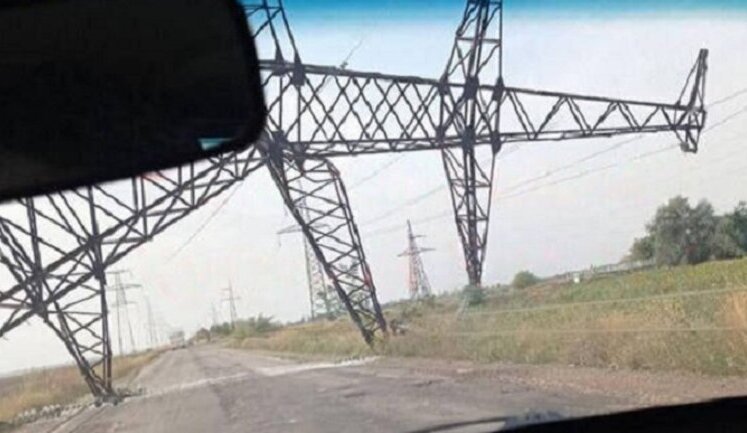
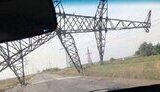 Power poles of power lines in Kherson region were cut down and blown up, - Isliamov Three high-voltage power lines supplying electricity from the mainland of Ukraine to the Crimea annexed by Russia are currently de-energized as a result of damage to their electrical supports - they were blown up and sawed off. 22 502 51 Previously in trend: Occupied territories - Crimea and Donbas
Power poles leading from Kherson Oblast to Crimea have fallen - Khlan. PHOTOS In the Kherson region, power poles leading from Kakhovka to Chaplynka, towards the Crimea, fell. 45 806 99
 Bad weather leaves over 500 towns and villages in Ukraine without electricity Bad weather conditions have left 529 towns and villages in seven regions of Ukraine without electricity, the State Emergency Service of Ukraine reports. 1 956 0
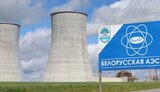 Ukraine refuses to purchase electricity of Belarusian NPP – Lithuanian PM Ukraine has refused to buy electricity from the Belarusian nuclear power plant (NPP), Lithuanian Prime Minister Ingrida Šimonytė said following talks with Ukrainian Prime Minister Denys Shmyhal in Vilnius on Thursday. 3 644 15
 Govt extends PSO mode, electricity price of UAH 1.68/kwh for public until Aug 1 The Cabinet of Ministers of Ukraine by resolution No. 659 of June 29 has extended the current mechanism of public service obligations (PSO) to provide electricity to the population and kept the current price for household consumers at UAH 1.68/kWh until August 1, 2021. 20 520 41
 Ukraine bans electricity imports from Russia, Belarus Ukraine's National Commission for State Regulation of Energy and Utilities will limit electricity imports from Russia and Belarus until October 1, 2021. 4 785 25
 Ukrainian parliament group demands severance of diplomatic relations with Belarus Representatives of the inter-faction association in the Verkhovna Rada "For Democratic Belarus" have demanded the severance of diplomatic relations between Ukraine and Belarus, except for relations related to refugees and political prisoners. 7 091 47
 Bad weather leaves 120 towns and villages in five Ukrainian regions without electricity Bad weather conditions have left 120 towns and villages in five regions of Ukraine without electricity, the State Emergency Service of Ukraine reports. 3 244 10
 Bad weather leaves 269 towns and villages in 12 Ukrainian regions without electricity Adverse weather conditions have left 269 towns and villages in 12 regions of Ukraine without electricity, the State Emergency Service of Ukraine reports. 1 610 0
 No need for rolling blackouts in Ukraine There is no need for rolling blackouts in Ukraine. 7 568 69
 Bad weather leaves 120 towns and villages in Chernihiv region without electricity Adverse weather conditions have left 120 towns and villages in Chernihiv region without electricity, the State Emergency Service of Ukraine reports. 1 046 0
 Bad weather leaves 234 towns and villages in Ukraine without electricity Adverse weather conditions have left 234 towns and villages in 3 regions of Ukraine without electricity, the State Emergency Service of Ukraine reports. 1 596 0
Bad weather leaves 52 towns and villages in Ukraine without electricity Adverse weather conditions have left 52 populated areas in five regions of Ukraine without electricity, the State Emergency Service of Ukraine reports. 2 131 0
 Bad weather leaves 80 towns and villages in five regions without electricity Adverse weather conditions have left 80 populated areas in five regions of Ukraine without electricity, the State Emergency Service of Ukraine reports. 1 767 3
 Some 178 towns and villages in Ukraine left without electricity due to bad weather As of Monday morning, June 15, some 178 populated areas in nine regions of Ukraine were left without electricity due to bad weather conditions, the State Emergency Service of Ukraine has reported. 5 760 4
 Zelenskyi sets task to reduce coal, electricity imports President of Ukraine Volodymyr Zelenskyi has set a task to Energy and Environment Protection Minister Oleksii Orzhel to reduce coal and electricity imports. 14 802 90
251 settlements in seven regions of Ukraine cut off grid due to harsh weather Massive blackouts are observed in seven regions of Ukraine, mostly in the western and the northwestern regions. 3 258 13
 Over 600 towns and villages in two regions of Ukraine still without electricity due to bad weather As of Friday morning, January 31, some 602 populated areas in two regions of Ukraine were left without electricity due to bad weather conditions. 2 688 1
 Zelenskyi signs law on control over electricity prices Ukrainian President Volodymyr Zelenskyi has signed Law No. 330-IX "On the Introduction of Amendments to the Law of Ukraine on the Electricity Market," which the parliament passed on December 4, 2019. 17 775 223
 Over 100 towns and villages in Ukraine left without electricity due to bad weather As of Tuesday morning, October 1, some 102 populated areas in five regions of Ukraine were left without electricity due to bad weather conditions. 1 643 0
16 populated areas in Ukraine still without electricity due to bad weather 16 populated areas in two regions of Ukraine remained without electricity due to bad weather conditions. 1 749 1
Page 1 of 2
more news