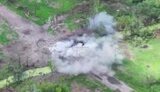
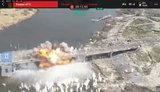
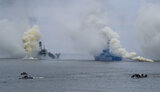
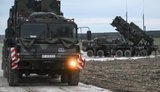
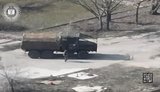
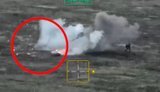
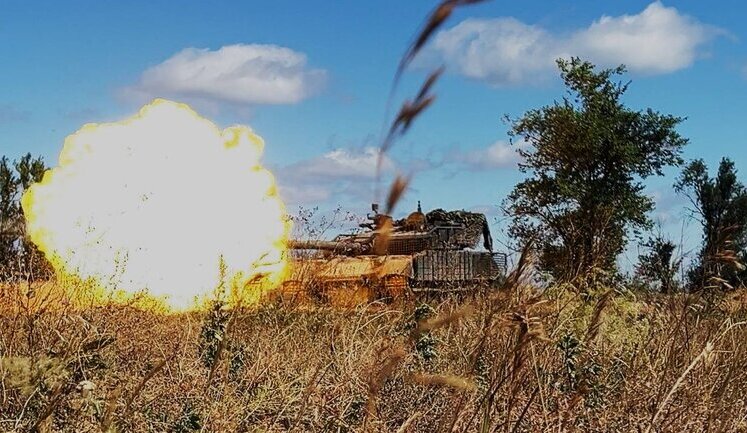
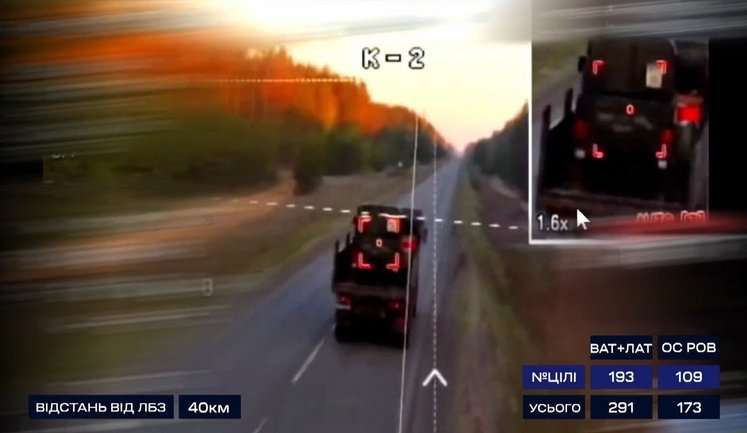
The ongoing conflict in Ukraine has seen significant disruptions to logistics operations, crucial for military movements. Ukrainian forces have successfully targeted enemy logistics hubs, bridges, and transportation lines, significantly impairing Russian supply chains. For instance, strikes by Ukraine's Defence Intelligence unit disrupted rail logistics in Crimea, and drones from the 422nd LUFTWAFFE regiment destroyed enemy locomotives. Moreover, efforts like those by SBGS drone operators and Unmanned Systems Forces have targeted critical enemy equipment and radar systems. These strategic operations aim to weaken the enemy's offensive capabilities and ensure Ukrainian forces maintain the upper hand on the frontline.
What recent logistics operations have been carried out in the conflict?
Recent logistics operations in the conflict have included targeting enemy supply routes and hubs. Ukrainian forces have struck military trains in Crimea, destroyed logistics hubs in Donetsk, and targeted infrastructure in Zaporizhzhia, aiming to disrupt enemy supplies and complicate logistics for Russian troops.
How have Ukrainian forces disrupted enemy logistics?
Ukrainian forces have disrupted enemy logistics by launching coordinated strikes on crucial infrastructure such as bridges and railways and targeting enemy supply hubs. These actions significantly impair the transportation and movement capabilities of Russian troops, forcing them to rethink their logistical strategies.
How significant are these logistics strikes in the context of the conflict?
The logistics strikes are highly significant as they directly impact the enemy's ability to maintain supply lines, transport equipment, and deploy forces effectively. By disrupting logistics, Ukrainian forces can diminish the enemy's offensive capabilities and create strategic advantages on the battlefield.
What role do drones and UAVs play in logistic disruption?
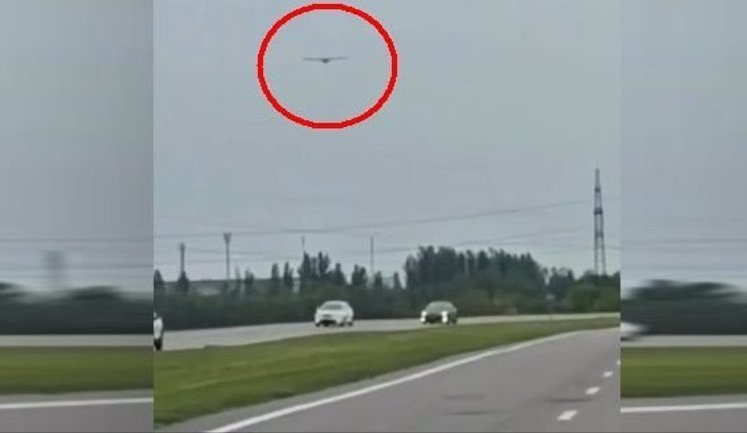
Drones and UAVs play a critical role in logistics disruption by providing the capability to conduct precision strikes on enemy transportation and supply routes, surveillance to track enemy movements, and support in identifying key logistics targets. Their use has been pivotal in the success of recent operations targeting enemy infrastructure.
What are the implications of disrupted logistics for Russian military operations?
Disrupted logistics hinder the Russian military's ability to efficiently supply troops, transport equipment, and execute coordinated assaults. This forces them to adjust strategies, seek alternative supply routes, and often operate at reduced capacity, ultimately weakening their operational effectiveness on the ground.