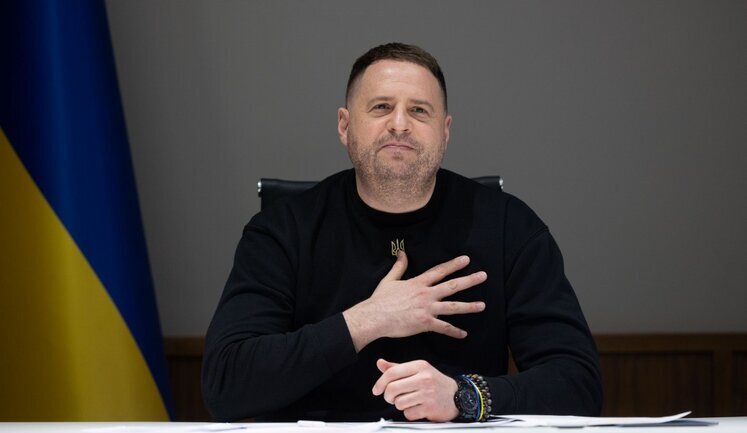
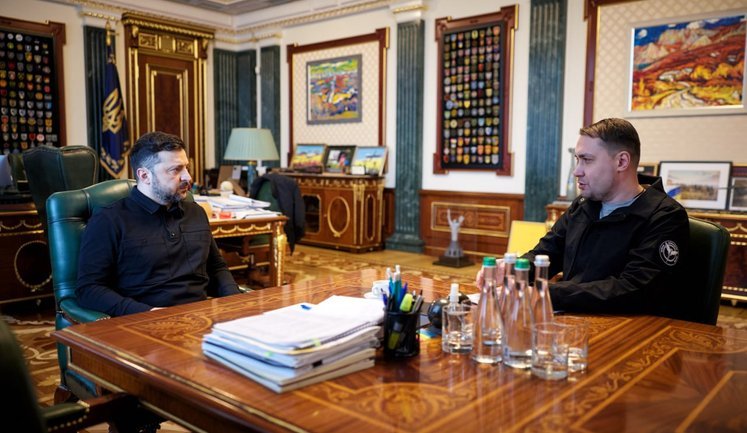
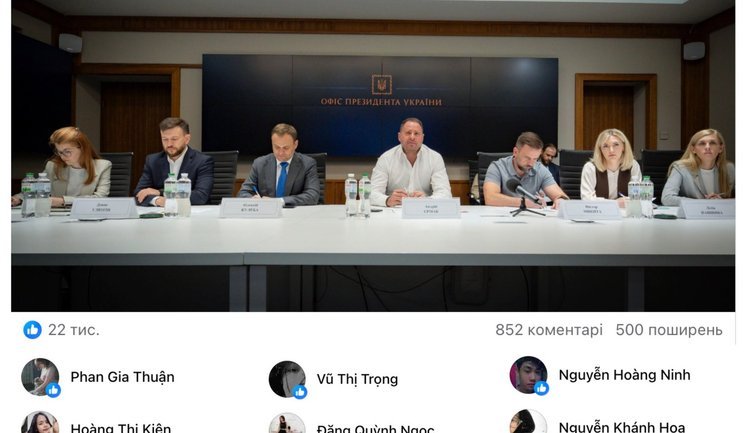
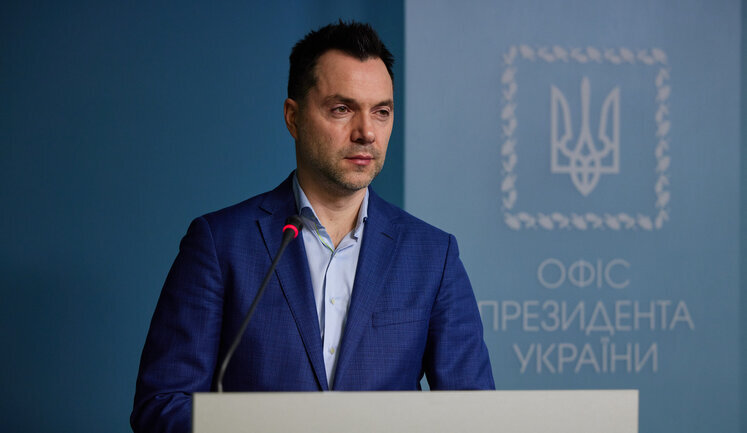
The Presidential Office of Ukraine plays a pivotal role in shaping the nation's political landscape. Recent news highlights its influence, with issues ranging from the delay in receiving UAH 35 billion in EU aid due to judicial reforms to internal conflicts over reactor purchases for the Khmelnytskyi NPP. Moreover, the office denies reports of trilateral talks in Istanbul, emphasizing the geopolitical pressures it faces. Although open to holding elections, the office cites security as a primary concern. Unconfirmed reports and controversies, such as Andrii Yermak's rumored secretive activities and former connections, fuel discussions about leadership and transparency. The Presidential Office, under President Zelenskyy, continues to navigate through complex political challenges, asserting its strategies amidst domestic and international scrutiny.
What are the main challenges facing Ukraine's Presidential Office?
The Presidential Office is currently contending with delays in EU aid due to unaddressed judicial reforms, internal political pressure concerning nuclear reactor purchases from Bulgaria, and affirmations or denials about international diplomatic engagements. The office also faces challenges related to maintaining security in the context of potential elections, handling high-profile resignations, and media scrutiny regarding perceived government actions. These factors combine to strengthen or constrain its operational and strategic capabilities.
Does the Presidential Office confirm the Istanbul trilateral talks?
The Presidential Office has officially denied any confirmation of the alleged trilateral talks in Istanbul involving Ukraine, the United States, and Russia. While media reports have circulated regarding such diplomatic engagements, the office maintains that no such discussions have been scheduled or confirmed, underscoring the often complex nature of geopolitical communications and negotiations that the office must manage.
How does the Presidential Office influence domestic politics in Ukraine?
The Presidential Office wields significant influence in Ukraine's domestic politics. This includes exerting pressure on legislative proceedings, evidenced by reports of influence over parliamentary votes, managing key appointments within government bodies, and responding decisively to media and public scrutiny. The office's strategic choices in these areas reflect its overarching goals and response to both public expectations and internal priorities, particularly in times of political unrest or scrutiny.
Will there be security concerns for upcoming elections in Ukraine?
According to statements from the Presidential Office, while there is a commitment to conducting elections as per democratic norms, security concerns remain a pivotal factor. This includes ensuring electoral integrity and the protection of venues from potential threats. The office emphasizes that adequate security measures are crucial for the successful implementation of fair and transparent electoral processes, amidst ongoing geopolitical tensions in the region.
What controversies involve former head Andrii Yermak?
Andrii Yermak, the former head of the Presidential Office, has been subject to significant controversies, including allegations of covert activities in Kyiv and purported involvement in legal and governmental activities post-resignation. Reports also suggest Yermak's continued influence in political and security sectors, despite his formal departure from the office. These issues have raised questions about transparency and accountability within Ukraine's top political circles.