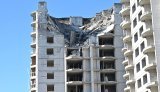
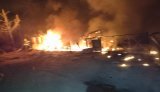
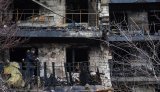
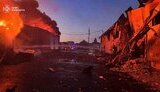
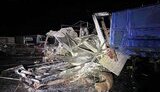
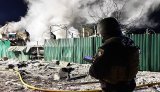
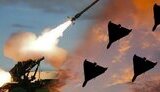
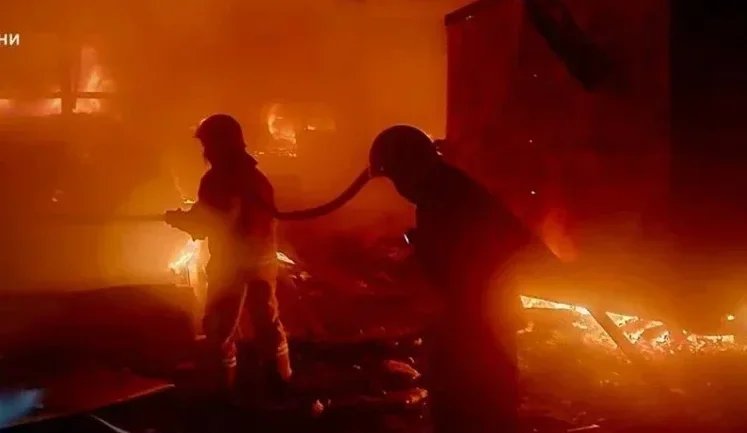
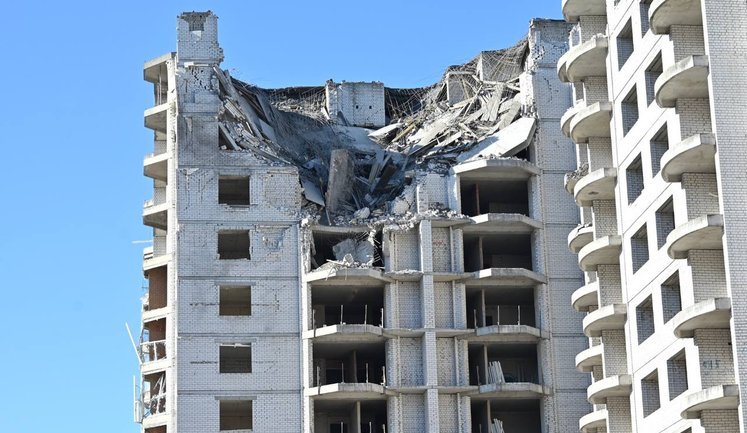
The Kyiv region has been under relentless UAV attacks from Russian forces, with significant destruction reported across several districts including Bila Tserkva, Brovary, and Vyshhorod. These attacks have resulted in numerous casualties, including fatalities and injuries to civilians. Residential buildings, infrastructure, and industrial facilities have suffered extensive damage. Despite intense air defense efforts, UAVs continue to pose a significant threat to the region, with multiple incidents recorded in recent months. The Ukrainian government is actively working to mitigate the impact of these attacks and provide support to affected communities. The situation remains tense as air defense systems are continuously engaged to counter enemy drones targeting Kyiv.
Why is the Kyiv region frequently targeted by UAV attacks?
The Kyiv region is a significant strategic target due to its political and economic importance in Ukraine. UAV attacks are part of a broader offensive strategy by Russian forces to destabilize the area and exert pressure on the Ukrainian government. Despite being constantly targeted, the region's defenses are vigilant, and measures are in place to protect civilians and infrastructure from the impact of these assaults.
What kind of damage has been caused by the most recent UAV attacks in the Kyiv region?
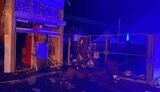
Recent UAV attacks have caused substantial damage, including fires in industrial and residential areas, destruction of critical infrastructure, and casualties among civilians. The most affected areas include Bila Tserkva, Brovary, and Vyshhorod, with reports of damaged buildings, utility disruptions, and loss of life. The devastation has required extensive efforts from emergency services to contain fires and provide aid to affected residents.
What measures are being taken to protect the Kyiv region from UAV attacks?
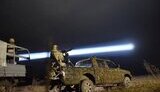
The Ukrainian authorities have deployed advanced air defense systems to detect and intercept UAVs targeting the Kyiv region. These systems are actively engaged in identifying threats and minimizing damage from incoming attacks. Coordination between military and emergency services is also crucial in responding swiftly to any incidents to protect civilian lives and critical infrastructure from severe damage.
How are local communities in the Kyiv region affected by ongoing UAV attacks?
The ongoing UAV attacks in the Kyiv region have caused significant distress and disruption to local communities. Residents face constant threats, with frequent evacuations and property damage impacting daily life. Psychological trauma and economic hardship are also significant concerns, with many residents requiring assistance and support to cope with the repercussions of these protracted assaults on their safety and livelihoods.
What is the role of air defense forces in combating UAV threats in Kyiv?
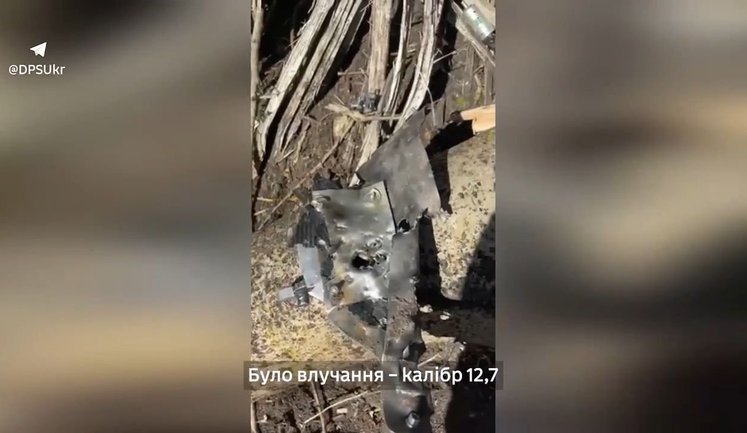
Air defense forces play a crucial role in countering UAV threats, providing a frontline defense against incoming attacks. Equipped with radar systems and anti-aircraft weaponry, these forces are responsible for detecting and neutralizing UAVs before they can inflict damage on civilian and military targets. Their actions are vital in mitigating the risk of casualties and infrastructure destruction in the Kyiv region.