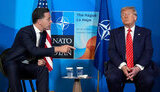
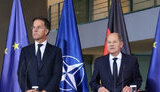
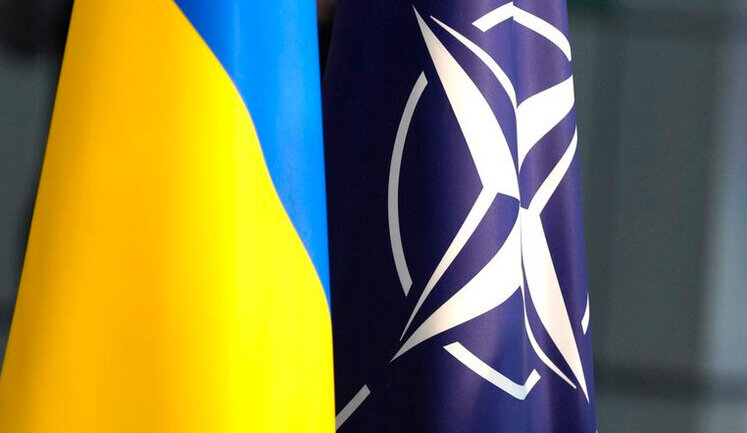
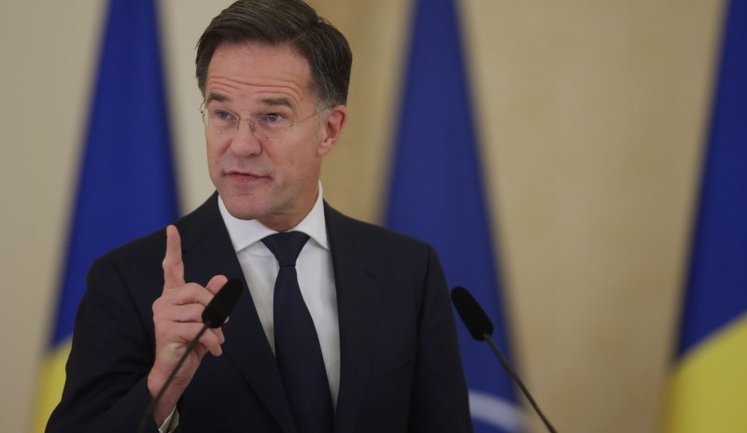
NATO's commitment to supporting Ukraine remains unwavering, marking a significant escalation in military aid. With Secretary General Mark Rutte affirming continuous deliveries of vital defense equipment and ammunition, the alliance is set to provide €140 billion over 2026-2027. The focus is enhancing Ukraine's defense capabilities against Russian aggression, notably through faster and cost-effective weapon procurement channels unlocked by NATO's NSPA. This robust support underscores NATO's strategic intent to deter further Russian hostilities. Meanwhile, internal discussions continue to refine aid formats, ensuring both immediate and sustainable assistance to Ukraine.
Why does NATO continue to support Ukraine with military aid?
NATO's support for Ukraine is pivotal in countering Russian aggression and maintaining regional stability. By providing military aid, the Alliance aims to bolster Ukraine's defense capabilities, ensuring they can resist Russian threats. This support also reinforces NATO's strategic interests in preventing further destabilization in Europe. Moreover, the aid sends a clear message of solidarity among NATO members, showcasing their collective commitment to upholding international law and sovereignty.
What are the latest military aid plans from NATO to Ukraine?
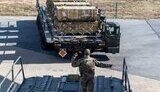
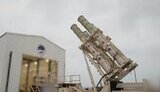
NATO has planned to provide a comprehensive aid package to Ukraine, amounting to €140 billion for 2026-2027. This plan includes continued delivery of advanced defense systems, such as Patriot missiles and PAC-3 interceptors, and enhanced access to NATO’s procurement channels. Furthermore, the aid emphasizes bolstering Ukraine’s air defense capabilities to effectively counter Russian attacks, reaffirming the alliance's long-term strategic support to Ukraine.
How does NATO's procurement agency help Ukraine?
NATO has granted Ukraine access to its procurement agency, the NSPA, allowing them to acquire essential military equipment more swiftly and at reduced costs. This move significantly expedites the process of receiving critical defense materials, thus enhancing Ukraine's military readiness. Moreover, it reflects NATO's dedication to supporting Ukraine with efficient logistics and resource allocation, crucial for sustaining Ukraine's defense in the ongoing conflict.
What impact do NATO's actions have on Russian-NATO relations?
NATO’s increased military support for Ukraine has further strained relations with Russia, as the alliance actively fortifies Ukraine’s defense against Russian aggression. This dynamic reflects a heightened geopolitical tension with Moscow, as NATO's definitive support reaffirms the alliance's opposition to Russian hostilities. Consequently, Russia perceives these actions as a direct challenge to its influence in the region, potentially escalating diplomatic confrontations between NATO and Russia.
How has NATO's aid to Ukraine evolved since the conflict began?
Since the onset of the conflict, NATO’s aid to Ukraine has evolved significantly, transitioning from limited support to extensive military assistance. Initially focused on sanctions and diplomatic efforts, NATO rapidly intensified its involvement by providing substantial military supplies. Recent initiatives prioritize strategic arms delivery and infrastructure support, signifying a robust, coordinated approach to strengthening Ukraine's defense forces and securing long-term stability in response to Russian aggression.
What role does the NATO summit play in aiding Ukraine?
The NATO summit plays a crucial role in determining the alliance's strategic direction for aiding Ukraine. During these summits, key decisions regarding aid packages, resource allocation, and military strategy are discussed and finalized. The focus is on aligning member states’ efforts to maximize the impact of collective support. This ensures a unified stance against any threats and enables continuous refinement of support strategies to meet Ukraine’s evolving defense needs effectively.
How do European countries contribute to NATO's aid for Ukraine?
European countries contribute significantly to NATO's aid for Ukraine by providing financial resources, military equipment, and logistical support. Nations like Germany have pledged substantial funds, such as €500 million from Germany, to procure American weapons for Ukraine. These contributions are vital, as they help sustain and increase military aid efforts. Moreover, such involvement from European nations underscores their commitment to regional security and deterring further Russian military advancements.
What challenges does NATO face in supporting Ukraine?
NATO faces several challenges in supporting Ukraine, including internal debates over the extent and format of aid, logistical hurdles in weapon delivery, and maintaining member unity. Differences in political agendas among member states occasionally complicate consensus on aid strategies. Additionally, efficiently coordinating the transfer of military resources amidst ongoing conflict requires robust logistical planning. Despite these challenges, NATO remains steadfast in its commitment to providing essential support to Ukraine, ensuring ongoing cooperation for security and strategic goals.
How does NATO's involvement shape Ukraine's military strategy?
NATO’s involvement significantly shapes Ukraine’s military strategy by providing necessary resources, strategic support, and training. This assistance enhances Ukraine's capability to implement more sophisticated defense tactics against Russian aggression. Access to advanced technology and military equipment from NATO empowers Ukraine to adopt a resilient defense posture. The alliance's support also involves collaborative training programs, which help Ukrainian forces develop skills essential for modern warfare, thereby strengthening their overall strategic and operational effectiveness.