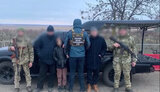
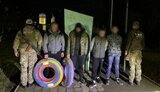
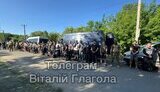
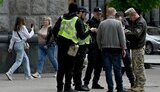
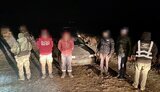
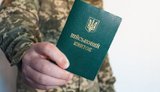
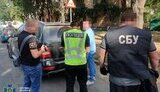
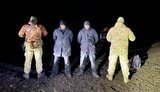
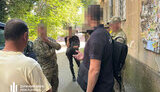
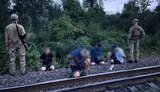
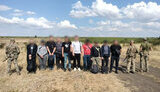
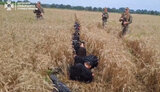
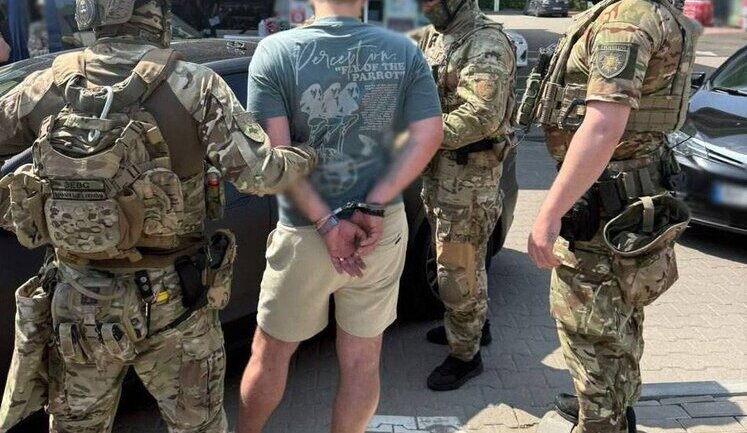
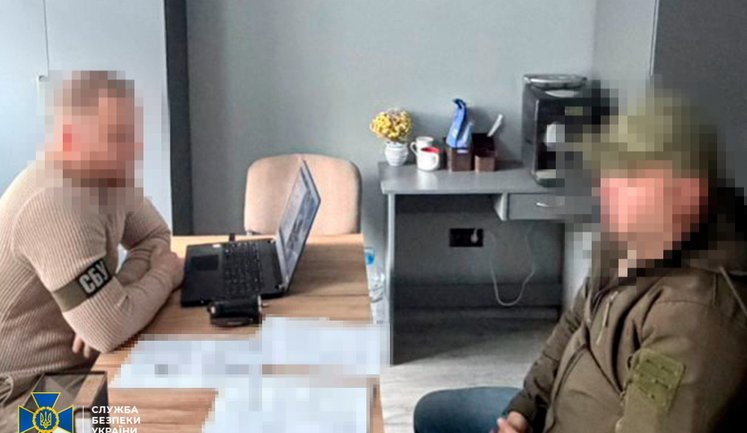
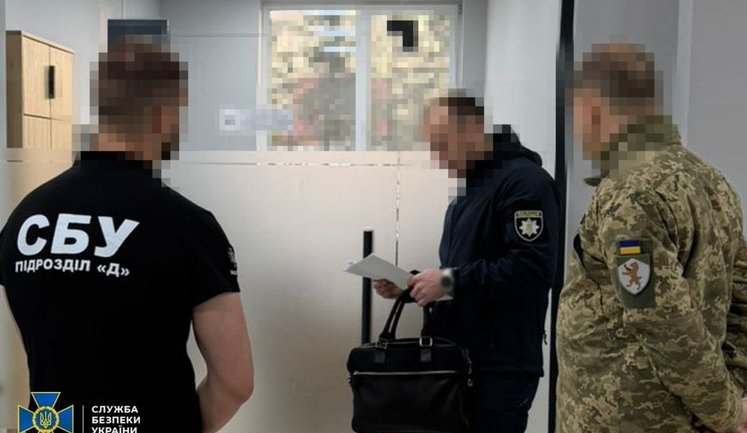
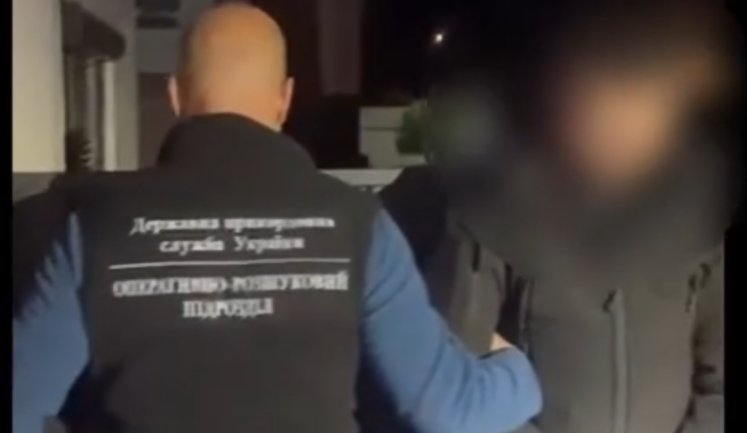
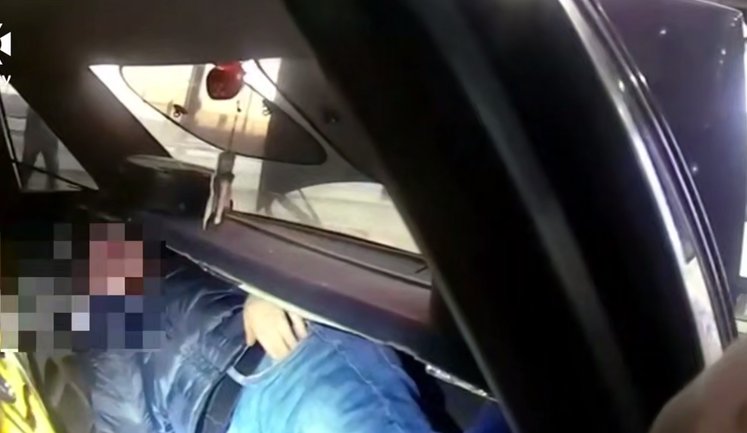
The term "Evaders" is making headlines with an alarming number of cases involving fraudulent schemes to evade mobilisation in Ukraine. From fictitious disability claims to organised illegal border crossings, these activities reflect a deep-rooted issue in mobilisation processes. Recently, the National Police exposed a 200 million hryvnia fraud concerning fake medical records in Zaporizhzhia. Similarly, 3,000 men were found registered as fictitious postgraduate students to defer conscription. The illegal smuggling of conscription-age men across borders, particularly to Romania and Poland, is rampant, with traffickers charging up to $25,000 per person. These revelations raise questions about the control and mitigation of such crimes, highlighting the ongoing struggle between law enforcement efforts and evaders seeking to exploit loopholes.
How do fraudulent evasion schemes work in Ukraine?
Fraudulent evasion schemes in Ukraine involve false medical disability claims, fake student registrations, and illegal border crossings. These tactics are facilitated by groups charging significant sums to help conscripts avoid mobilisation.
What recent schemes for avoiding mobilisation have been uncovered?
Recently uncovered schemes include a 200 million hryvnia medical fraud in Zaporizhzhia, the smuggling of 3,000 fictitious students, and multiple illegal border crossing networks charging up to $25,000.
What are the legal actions faced by those organising evasion schemes?
Organisers of evasion schemes face serious legal consequences including indictments, charges for smuggling, and various criminal charges for committing fraud, with cases being pursued by the Prosecutor General and other law enforcement agencies.
How are law enforcement agencies responding to mobilisation evasion?
Ukrainian law enforcement agencies are actively cracking down on evasion, dismantling fraud networks, prosecuting organisers, and collaborating across regional lines to combat these crimes efficiently.
What role do professionals play in draft dodging schemes in Ukraine?
Professionals, including medical staff and educational administrators, are often implicated in draft dodging schemes, exploiting their positions to create false documentation and facilitate illegal avoidance of mobilisation.
What impact do these evasion schemes have on Ukraine's mobilisation efforts?
Evasion schemes significantly undermine Ukraine's mobilisation efforts by reducing the pool of available conscripts, creating systemic loopholes, and challenging the effectiveness of military recruitment regulations and enforcement.
What measures can be taken to curb evasion of mobilisation in Ukraine?
Effective measures to curb evasion include strengthening border security, enhancing verification processes for medical and educational exemptions, and increasing penalties for those facilitating fraudulent evasion schemes.