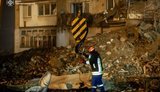
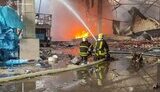
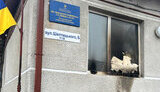
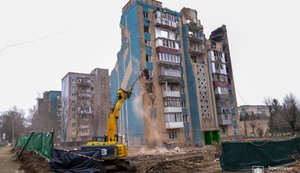
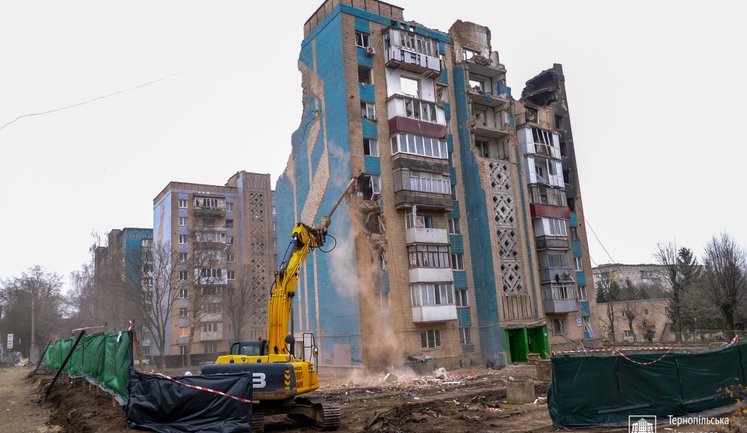
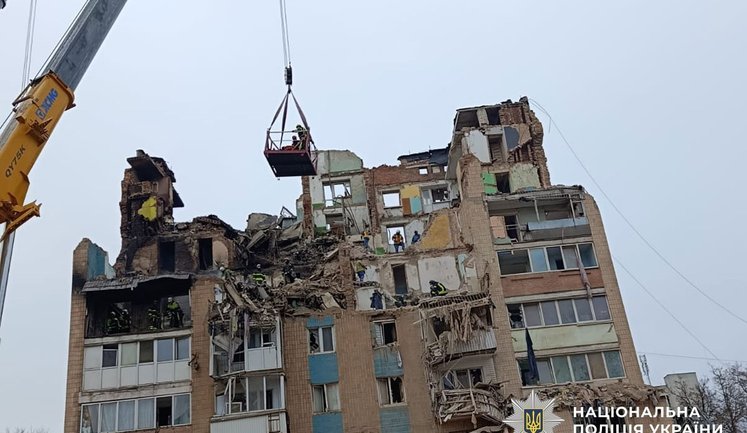
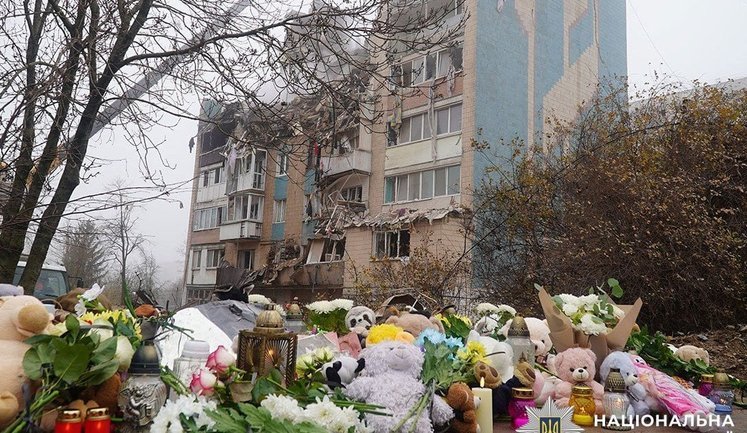
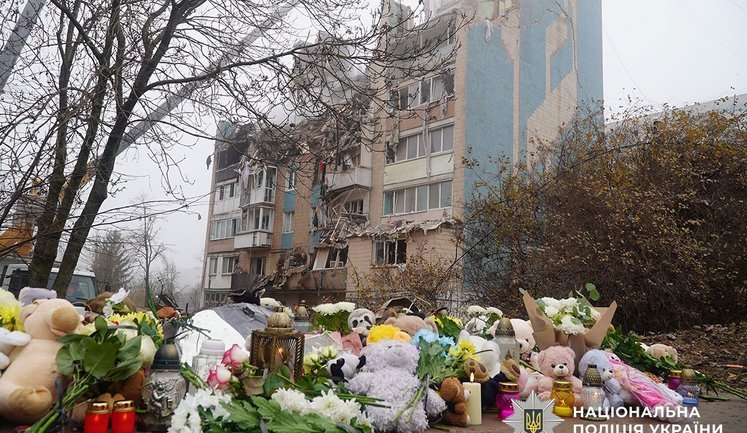
The Ternopilska region of Ukraine has been devastated by a series of Russian missile strikes, with the community mourning the increasing death toll. The recent attack on November 19, 2025, led to multiple casualties and significant destruction, prompting urgent rescue operations. As the death toll climbs, the number of missing persons remains uncertain, exacerbating the anguish of the community. The repeated missile attacks on residential areas have resulted in severe structural damage, leaving many residents homeless and traumatized. Local authorities and international organizations are rallying to provide aid and support, as Ukrainian officials bring the issue to the global stage, highlighting the dire situation to the UN Security Council. Amidst the tragedy, small signs of resilience and solidarity emerge as the people of Ternopilska unite in response to this humanitarian crisis.
What is the current state of rescue operations in Ternopil?
Rescue operations in Ternopil are ongoing as authorities and emergency services work tirelessly to locate and rescue survivors amidst the debris of destroyed buildings. The recent Russian missile strikes have left significant destruction, challenging rescue efforts. Teams are focused on clearing rubble and reaching those who may still be trapped, while also ensuring the safety and support of those displaced by the attacks. Community and international support are pivotal in these efforts.
How has the civilian population in Ternopil been affected by the attacks?
The civilian population in Ternopil has been gravely affected by the relentless Russian missile strikes. The attacks have resulted in significant loss of life, with many residents still missing or injured. Families are grieving loved ones, and widespread structural damage has left many without homes. The continued threat of further attacks has created an atmosphere of fear and uncertainty, prompting calls for increased humanitarian aid and international intervention.
What steps are being taken to address the humanitarian crisis in Ternopil?
Efforts to address the humanitarian crisis in Ternopil include deploying rescue teams to clear debris and search for missing persons, providing medical assistance to the injured, and facilitating shelter for those displaced. International aid and local volunteer groups are assisting with relief operations, delivering essential supplies such as food, water, and medical kits. Diplomatic pressure is also being applied internationally to highlight and address the severity of the situation.
What international response has there been to the strikes on Ternopil?
International response to the strikes on Ternopil has involved expressions of condemnation from global leaders against the Russian aggression. The situation has been raised at forums such as the UN Security Council, seeking international support and accountability for the attacks. Humanitarian aid is being channeled to support survivors, and multiple organizations are coordinating relief efforts on the ground to mitigate the impact of these devastating assaults.
What are the challenges faced by authorities in rescue operations in Ternopil?
Authorities face numerous challenges in rescue operations in Ternopil, including the vast extent of the destruction caused by the missile strikes. Accessing certain sites within the rubble is technically demanding, and the potential for further attacks jeopardizes the safety of rescue teams. Resource constraints also pose hurdles in sustaining consistent and efficient rescue efforts, necessitating ongoing support and collaboration with international agencies to effectively address the crisis.