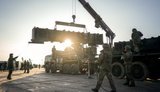
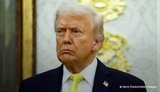
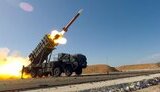
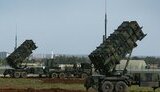
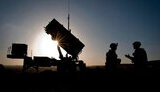
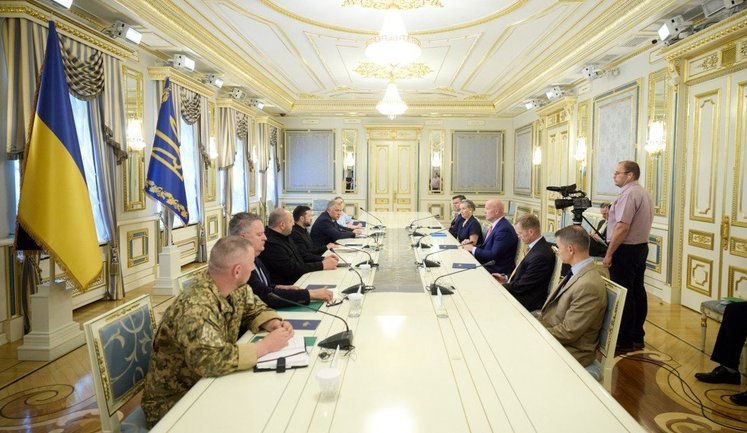
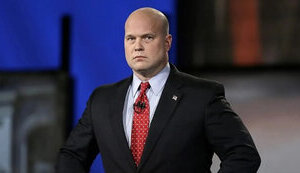
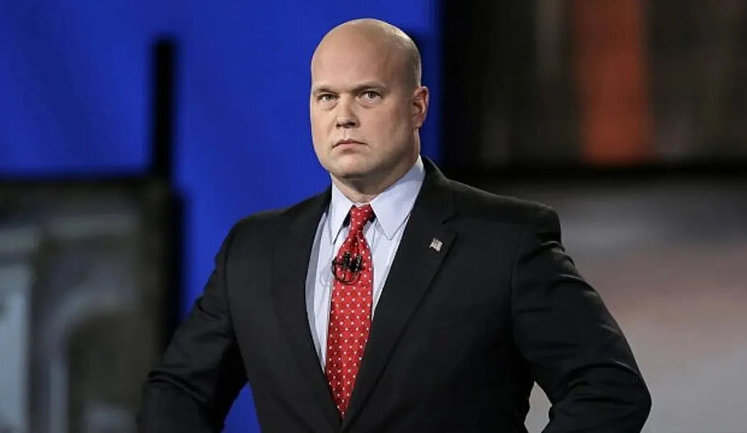
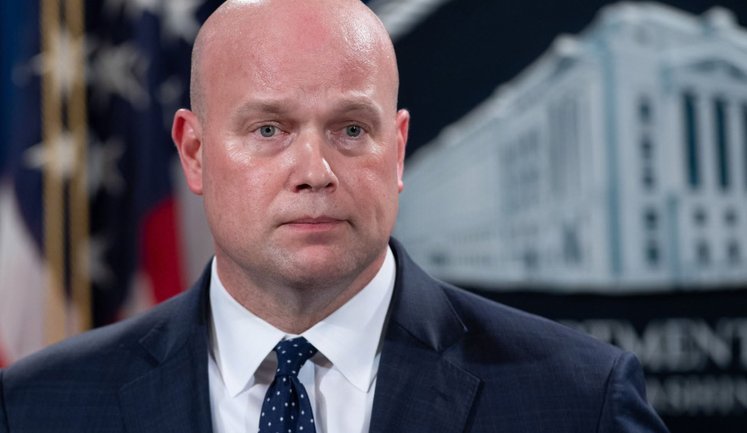
US Ambassador to NATO, Matthew Whitaker, has been pivotal in facilitating peace negotiations between Ukraine, the USA, and Russia. Whitaker emphasized that territorial issues remain central to discussions. He highlighted the critical support from the US in providing Ukraine with necessary arms for self-defense. Whitaker's statements underscore that China could significantly impact the conflict's resolution. Moreover, Whitaker stressed NATO's importance and the collaborative support from European countries like Germany, the Netherlands, and Norway in supplying weapons under the PURL. Despite no set deadlines for the war's end, Whitaker believes peace in Ukraine is closer than ever, as Trump continues diplomatic efforts to press Russia and Ukraine towards resolutions.
What role does Matthew Whitaker play in Ukraine peace efforts?
Matthew Whitaker, as the US Ambassador to NATO, has taken a significant role in mediating peace talks between Ukraine, Russia, and the USA. His primary focus is on resolving territorial disputes, enhancing strategic military support to Ukraine, and leveraging diplomatic pressure to facilitate peace agreements.
How has Matthew Whitaker contributed to Ukraine's defense resources?
Matthew Whitaker has been instrumental in ensuring that Ukraine receives consistent arms support from the USA. He has acknowledged efforts from European allies, notably through the PURL program, making substantial contributions to Ukraine's military capabilities against Russian aggression.
What is Whitaker's perspective on China's influence in the Ukraine conflict?
Whitaker asserts that China holds a critical position in the Ukraine conflict, indicating that a decisive intervention by China through diplomatic channels could potentially halt the ongoing war. This perspective highlights the interconnectedness of global powers in resolving regional conflicts.
What is Matthew Whitaker's view on the current stage of Ukraine peace negotiations?
Matthew Whitaker believes that the peace negotiations in Ukraine have reached a critical phase where the resolution seems closer than ever. He highlights the challenges remaining, specifically the issue of territorial concessions and the intricacies of international diplomacy in reaching a viable peace agreement.
How does Matthew Whitaker view the role of NATO in the Ukraine situation?
In his capacity as the US Ambassador to NATO, Whitaker views a robust NATO as essential for ensuring security and stability in Europe. He actively supports maintaining NATO's strength while emphasizing the alliance's role in supporting Ukraine amid its conflict with Russia.
What is Whitaker's stance on the military aid provided to Ukraine?
Whitaker advocates for continued military support to Ukraine, which includes offensive and defensive weaponry to bolster its sovereignty against Russian incursions. His statements reflect the strategic importance of US military aid in shifting the balance in favor of Ukraine.
How does Matthew Whitaker perceive the current state of Russia-Ukraine relations?
Whitaker perceives the relationship as tense, with ongoing discussions on peace hampered by Russia's strategic posturing. He notes that despite some progress towards peace, critical issues such as territorial status and international pressures on Russia remain contentious.
What is the significance of PURL in the Ukraine conflict according to Whitaker?
According to Whitaker, the PURL program is crucial as it signifies the collective effort of European nations in tandem with the United States to provide Ukraine with substantial military resources, enhancing its defense capabilities amid the persistent threat from Russia.