ENG




14477 visitors online
Sappers have a crucial role in addressing explosive threats in conflict zones, including Ukraine. Recent operations involve neutralizing warheads from Russian missiles and drones, such as Kinzhal and Kh-101 missiles and Geran-2 UAVs. In Kyiv, SES combat engineers have successfully disposed of warheads, while in the Mykolaiv region, a kamikaze drone with 50 kg of explosives was rendered safe. Ukraine's demining units defused over 145,000 explosive devices, showcasing their tenacity. These operations aid in reducing the danger posed by unexploded ordnances, safeguarding both urban and rural areas from potential harm.
What is the role of sappers in Ukraine's defense efforts?
Sappers in Ukraine play a vital role in neutralizing explosives left over from military operations, including unexploded missiles and bombs. Their work prevents potential casualties and damages, contributing significantly to national defense and civilian safety.
How do sappers handle unexploded ordnance found in Ukraine?
Trained sappers locate and neutralize unexploded ordnance, such as missiles and bombs, using controlled detonations or safe removal techniques. This requires specialized skills to ensure the devices are safely defused to protect public safety.
Which regions in Ukraine have experienced sapper interventions?
Sapper teams have frequently operated in regions such as Kyiv, Mykolaiv, and Chernihiv, among others. These areas have seen operations involving the neutralization of explosive devices like drones, missile warheads, and unexploded bombs.
How significant is the demining effort in Ukraine?
The demining effort in Ukraine is extensive and critical, with efforts focused on clearing explosive remnants from conflict zones. Over 145,000 devices have been defused, reflecting the scale and importance of these operations for national security and peacekeeping.
What technological advancements assist sappers in their missions?
Sappers employ advanced detection and disposal techniques. Tools like mechanized demining machines help in safely disarming hidden and dangerous explosives, enhancing efficiency and safety for both operators and civilians.
News sapper
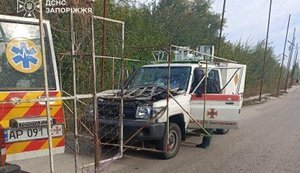
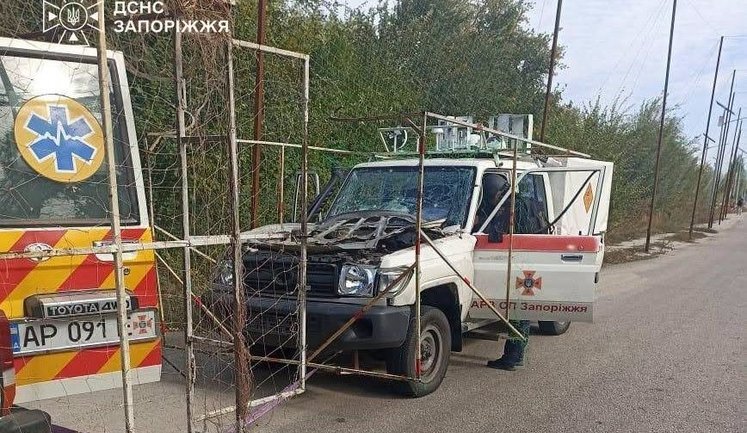
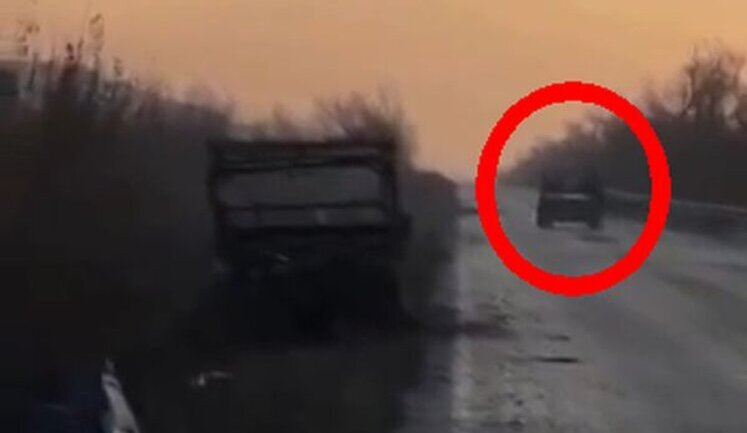
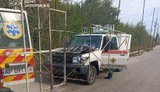 Enemy drone attacked SES bomb disposal vehicle in Zaporizhzhia: rescue workers managed to jump out before strike. PHOTO In Zaporizhzhia, a Russian drone carried out a targeted attack on a vehicle belonging to the State Emergency Service’s bomb disposal unit, which was on its way to carry out a mission. The bomb disposal experts managed to jump out of the vehicle a moment before the strike. 849 1 Previously in trend: Shelling of Zaporizhzhia
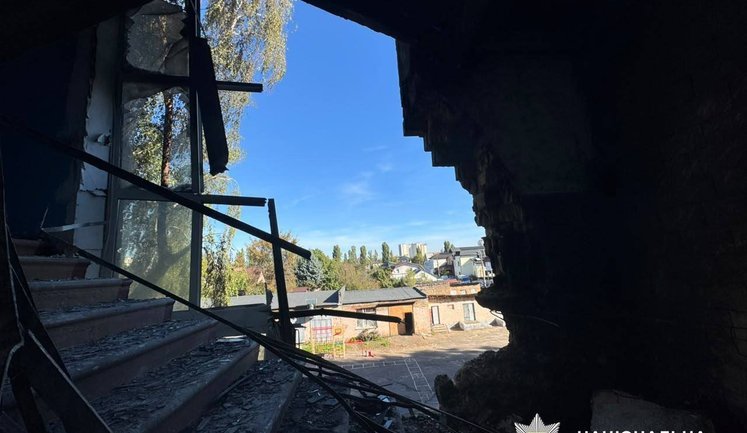
 50 kg of explosives on school stairs: unexploded "Geran-4" warhead removed in Kyiv. PHOTOS Bomb disposal technicians in Kyiv’s Solomianskyi district removed the unexploded warhead of a Geran-4 attack UAV that struck a school building in the morning. 2 273 0 Previously in trend: Shelling of Kyiv Destruction of missiles and drones
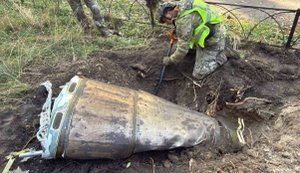
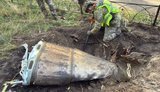 Warheads of two ballistic missiles fell near homes in Kyiv and did not explode: they were defused. VIDEO+PHOTOS Following Russia’s overnight attack, police bomb disposal officers defused the warheads of two ballistic missiles in Kyiv’s Solomianskyi district. 3 091 8 Previously in trend: Destruction of missiles and drones
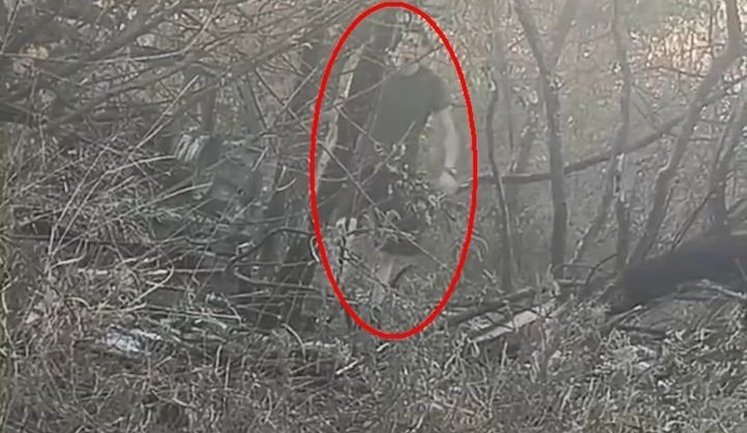
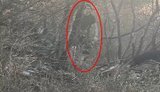 Occupier sapper handles explosive ordnance in bushes and disappears in cloud of fire and smoke. VIDEO A video has been published online showing an occupier sapper being blown up while attempting to defuse explosive ordnance. 6 883 8
 After massive attack on Kyiv, bomb disposal experts recover parts of Russian missiles and 50 kg of explosives. VIDEO+PHOTOS Bomb disposal experts recovered a missile propulsion section in Kyiv’s Darnytskyi district and about 50 kg of explosives in Dniprovskyi district. 2 437 1 Previously in trend: Destruction of missiles and drones
 Explosion in Rivne: police bomb disposal expert Mykola Omelchuk killed. PHOTO As a result of an explosion on the premises of an administrative building of the police department in Rivne, 47-year-old Lieutenant Colonel Mykola Omelchuk was killed. 3 447 12 Previously in trend: losses of Ukraine Police fatalities
 Debris from Russian "Geran-4" drone, containing remnants of explosives, has been found in Kyiv’s Holosiivskyi district. VIDEO In the Holosiivskyi district of Kyiv, law enforcement officers discovered the wreckage of a Russian ‘Geran-4’ drone. Following the drone’s crash, a fire broke out in the surrounding area, but it did not spread 1 897 9 Previously in trend: UAVs attack on Kyiv Destruction of missiles and drones
 Russians attack SES sappers during demining in Zaporizhzhia district: two injured. PHOTO In the Zaporizhzhia district, Russian forces carried out a targeted attack on State Emergency Service sappers while they were conducting demining operations. Two rescuers were injured in the strike. 631 0 Previously in trend: Attack on rescuers
 Fragments of Russian Kh-69 missile and 12 live submunitions recovered by bomb disposal experts in Kyiv’s Obolonskyi district. PHOTOS After Russia’s overnight missile attack, Kyiv police bomb disposal experts recovered fragments of a Kh-69 missile and 12 unexploded live submunitions in the Obolonskyi district, which were handed over to the State Emergency Service for destruction. 3 486 2 Previously in trend: Destruction of missiles and drones Massive combined attack
 Unexploded Russian aerial bomb removed by SES sappers from private yard in Kharkiv. PHOTOS In Kharkiv, SES sappers removed an unexploded Russian aerial bomb from a private yard after it became deeply embedded in the ground following a strike during shelling. 999 3 Previously in trend: Destruction of missiles and drones
 In Kharkiv region, bomb disposal experts have recovered remains of a Russian ’Iskander-M’ ballistic missile. PHOTOS State Emergency Service bomb disposal experts have recovered the remains of an ‘Iskander-M’ ballistic missile in the Kharkiv region, which the occupiers had used to strike the civilian population and civilian infrastructure in the town of Berestyn. 1 242 1 Previously in trend: Destruction of missiles and drones
 EOD specialists neutralize enemy drone warhead in Nizhyn district. PHOTOS In the Nizhyn district of Chernihiv region, explosives experts of the National Police neutralized the warhead of a Russian attack drone that had not detonated after it was shot down by Ukraine’s Defense Forces. 721 0 Previously in trend: Destruction of missiles and drones
 In Desnianskyi district of Kyiv, bomb disposal experts recovered warhead from downed ’Geran-2’ drone. PHOTOS In the Desnianskyi district of the capital, police bomb disposal experts have recovered the warhead from a Russian ‘Geran-2’ drone, which was shot down during the latest air strike on Kyiv on 15 June. 1 109 0 Previously in trend: Destruction of missiles and drones Massive combined attack
 In Odesa, bomb disposal experts defused 50 kg ’Shahed’ combat unit that had flown into flat. PHOTOS In Odesa, police bomb disposal experts defused the warhead of a Russian "Geran-2" drone, which struck a high-rise residential building during a night-time attack. In a flat on the 11th floor, the experts discovered an unexploded charge containing 50 kilograms of explosives. 1 947 5 Previously in trend: Destruction of missiles and drones
 Two Kh-101 missiles fell and failed to detonate: SES EOD specialists clear area in Chernihiv Oblast. PHOTOS In the Pryluky district of Chernihiv Oblast, explosive ordnance disposal specialists of the State Emergency Service neutralized a dangerous find: the warheads of two Russian Kh-101 cruise missiles that fell in an open area but failed to detonate. 3 037 8 Previously in trend: Destruction of missiles and drones
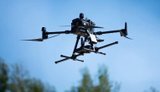 Demining from air: Ukraine introduces new technologies for remote detection of munitions Specialists from the Defense Ministry’s demining units are undergoing training in detecting explosive ordnance using unmanned aerial vehicles and special magnetometers that record changes in the Earth’s magnetic field. 45 0 Previously in trend: Ukrainian demining technologies
 SES EOD specialists neutralize warheads of Russian UAVs in Chernihiv Oblast. PHOTOS In Pryluky district, Chernihiv Oblast, sappers from the State Emergency Service of Ukraine destroyed warheads from Russian UAVs found in an open area. 1 200 2 Previously in trend: Destruction of missiles and drones
 Resident of Kyiv region came across ’Shahed’ missile in field In the Brovary District of the Kyiv region, a local resident discovered the dangerous wreckage of an enemy drone in a field. 1 652 0 Previously in trend: Demining of Ukrainian territories
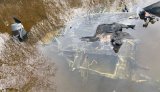 Drone with warhead, launched by Russia during yesterday’s attack on Kyiv, was recovered from Dnipro River. VIDEO+PHOTOS In the Holosiivskyi district of the capital, law enforcement officers recovered an enemy "Geran-2" drone equipped with a warhead from the waters of the Dnipro River; it had been left behind following the latest combined attack on Kyiv. 4 231 3 Previously in trend: Destruction of missiles and drones
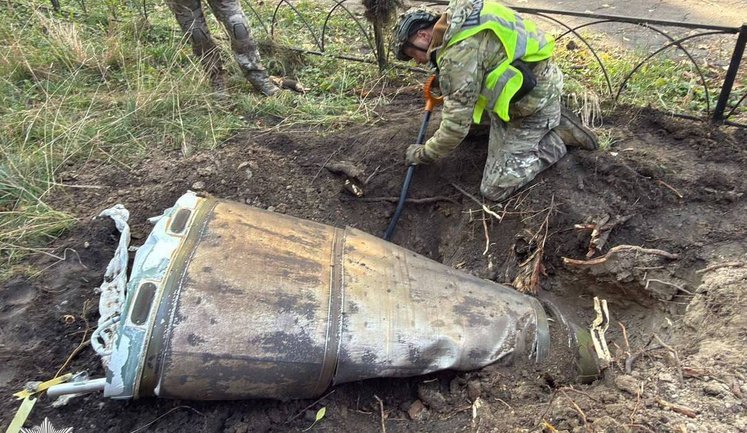
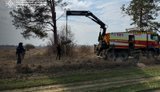 Farmer in Kyiv region has found warhead of "Kinzhal" missile In the Kyiv region, a missile disposal expert defused the warhead of a Russian missile that was accidentally discovered during fieldwork. 3 811 7 Previously in trend: Demining of Ukrainian territories Rescue operations by SES
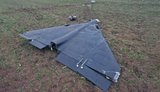 Police EOD specialists neutralize enemy drone with 50 kg of explosives in Mykolaiv region In the Mykolaiv region, explosives technicians of the National Police of Ukraine destroyed a kamikaze strike drone that had fallen in the middle of a field and failed to detonate. The unmanned aerial vehicle contained up to 50 kg of explosives. 1 118 0 Previously in trend: Destruction of missiles and drones
 SES combat engineers recovered warheads of Kh-101 missile in Kyiv region. PHOTOS State Emergency Service (SES) combat engineers discovered and removed two warheads from a Russian Kh-101 missile in the Tetiiv community, Kyiv Oblast. 1 303 0 Previously in trend: Destruction of missiles and drones
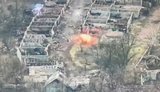 12 fewer occupiers thanks to mines: combat work of sappers of 14th Brigade "Chervona Kalyna". VIDEO Defence Forces personnel have released footage showing Russian occupiers being blown up en masse by landmines in their area of responsibility. 7 268 2 Previously in trend: Elimination of Russian occupying forces Elimination of Russian occupiers
 In Poltava region, bomb disposal experts discovered and destroyed unexploded drones and part of X-101 missile. PHOTO Unexploded "Shahed" and "Gerbera" drones, as well as a cluster warhead from an X-101 missile, were discovered in the Poltava region following shelling. The munitions were defused by bomb disposal experts. 2 120 0 Previously in trend: Destruction of missiles and drones
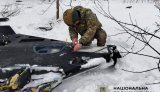 Sappers neutralize warhead of Geran-2 drone in Chernihiv region. PHOTO In the Chernihiv region, explosive ordnance disposal specialists neutralized the warhead of a Russian Geran-2 drone discovered in one of the districts. The dangerous object was destroyed by means of a controlled detonation. 1 389 5 Previously in trend: Destruction of missiles and drones
 Warhead of Iskander-M missile weighing about 500 kg was neutralised in Dniprovskyi district of Kyiv. VIDEO+PHOTOS Kyiv police bomb disposal experts, together with State Emergency Service sappers, defused an unexploded warhead from a ballistic missile launched by Russian troops at the capital on the night of 24 January. 6 930 16 Previously in trend: Destruction of missiles and drones
 Engineers from 63rd Brigade lured Russian stormtrooper into trap of non-explosive barriers. VIDEO When the enemy tries to compensate for losses with numerical superiority and acts without taking into account the tactical situation, engineering solutions and cold calculation play a key role. 9 936 16 Previously in trend: Elimination of Russian occupying forces
 Debris from drone with explosives found in Obolonskyi district of Kyiv. PHOTO Fragments of a drone with explosive devices were found in a forest in the Obolonskyi district of the capital. The area has been cordoned off, and bomb disposal experts are working at the site. 2 163 0 Previously in trend: Destruction of missiles and drones
 Zelenskyy honoured soldiers of engineering troops with state awards. PHOTOS President of Ukraine Volodymyr Zelenskyy congratulated the soldiers of the engineering troops on their professional holiday and awarded them with state awards. 1 614 8 Previously in trend: Honouring Armed Forces of Ukraine with awards
 Explosives experts from Vinnytsia police neutralised warheads of enemy UAVs and X-101 missiles. PHOTOS After another Russian air attack, police experts neutralised dangerous elements of downed missiles and drones in the Vinnytsia region. The fragments of cluster munitions pose a serious threat to civilians. 2 008 2 Previously in trend: Destruction of missiles and drones
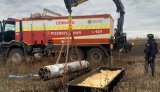 Tube with unexploded unguided aviation missiles was found in Kharkiv region, - State Emergency Service. PHOTOS A tube with unexploded unguided aircraft missiles was found in a field in the Kharkiv region. 2 799 18 Previously in trend: Demining of Ukrainian territories Destruction of missiles and drones
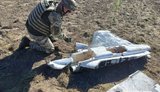 Police EOD specialists neutralize warheads of enemy drones in Nizhyn district. PHOTOS EOD specialists in the Chernihiv region have neutralized the warheads of Russian attack drones. 799 0 Previously in trend: Destruction of missiles and drones
 Sappers neutralised warheads of Shahed shot down in Chernihiv region. PHOTO Police explosives experts have neutralised the warheads of enemy attack drones shot down by the Ukrainian Defence Forces in the Nizhyn and Koriukiv districts of the Chernihiv region. 1 148 0
 EOD specialists in Chernihiv region neutralised warheads of downed enemy drones. PHOTOS Police EOD specialists in Chernihiv region neutralized the warheads of downed enemy drones. 835 3 Previously in trend: Destruction of missiles and drones
 Senior sapper operator Oleh Petrenko was killed during humanitarian demining of liberated territories in Sumy region - SES. PHOTO On Wednesday, 23 July, senior sapper-operator Oleh Petrenko was killed in Shostka district, Sumy region, while carrying out humanitarian demining of the liberated territories. Another sapper was injured. 2 931 4 Previously in trend: Demining of Ukrainian territories
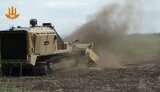 Combat engineers clear farmland in deoccupied territories using mechanized demining machine. VIDEO A video has been published online showing fragments of the daily work of combat engineers from the State Special Transport Service. 3 135 3 Previously in trend: De-occupation of settlements
 Fragments of Shahed drone with warhead neutralized in Kyiv region. PHOTO In Kyiv region, sappers neutralized the warhead of a Russian attack drone and several artillery shells. 2 307 7
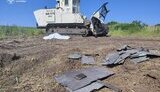 Enemy drone attacks demining vehicle in Kharkiv region, killing State Emergency Service sapper. PHOTOS Occupants attacked rescuers with a drone while they were clearing farmland in the liberated territories of Izium district, Kharkiv region. One sapper was killed and two were injured. 2 786 8 Previously in trend: Drone attacked demining machine in Kharkiv region
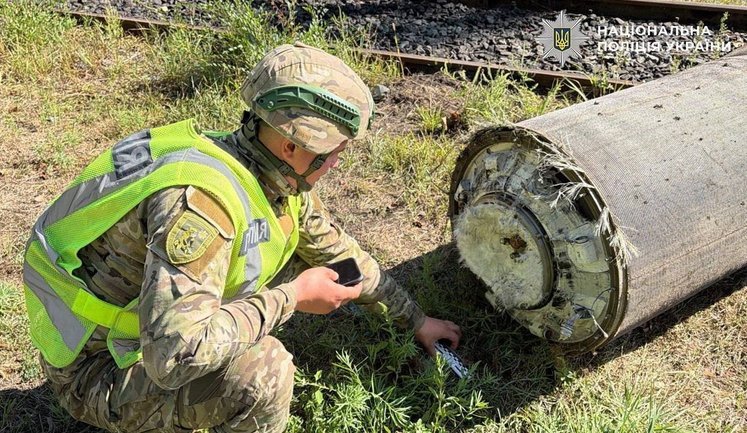
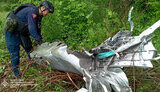 Remains of enemy Kh-101 missile found near railway tracks in Kyiv region, - State Emergency Service. PHOTO The remains of an enemy Kh-101 missile were found near a railway track in Kyiv region. 4 111 8 Previously in trend: Destruction of missiles and drones
 Russian motorized assault trooper gets caught in wire snare trap at full speed and goes flying over handlebars. VIDEO A video has posted online showing a Russian assault biker getting caught in a wire snare trap at full speed and being thrown over the handlebars. 11 277 12 Previously in trend: Elimination of Russian occupying forces
 Combat engineer and actor Yaroslav Shvets dies from severe wounds sustained on front line. PHOTO On May 9, 26-year-old combat engineer and actor Yaroslav Shvets died in a hospital in Dortmund, Germany, after suffering severe injuries on the front line just days earlier. 10 069 13 Previously in trend: losses of Ukraine
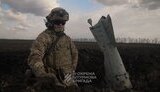 Soldiers of 3rd SAB neutralize unexploded GABs. VIDEO Sappers of the 3rd Separate Assault Brigade (SAB) have published a video showing fragments of their combat work near the front line. 2 606 2 Previously in trend: Demining of Ukrainian territories
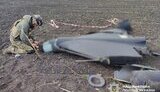 Police EOD specialists destroy warheads of Russian missiles and UAVs in Zhytomyr region. PHOTOS In Zhytomyr region, police explosive ordnance disposal (EOD) specialists destroyed the warheads of Russian missiles and UAVs. 2 568 5
 Fragments of a Tochka-U missile were found in a bay in Kyiv’s Obolonskyi district. PHOTOS Experts discovered the remains of a missile in Verbluzha Bay in the Obolonskyi district of Kyiv. 3 572 7 Previously in trend: Missile attack on Kyiv
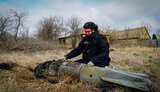 SES sappers defuse FAB-200 bomb in Kharkiv region. PHOTO SES engineers removed and defused a FAB-200 bomb in the village of Slatyno, Derhachi community, Kharkiv region. 1 114 2 Previously in trend: bomb disposal
 Bomb disposal experts remove Geran-2 UAV warhead in Vyshhorod district. PHOTO On 27 March, bomb disposal experts from Ukraine’s State Emergency Service removed and disposed of the warhead from a Geran-2 UAV in Vyshhorod district, Kyiv region. 1 702 3
 Farmer finds missile warhead in Brovary district, Kyiv region. PHOTOS In Brovary district, Kyiv region, a farmer discovered a warhead of an unguided aerial missile and called 101. 2 753 0
 Russian bomb defused on territory of residential area in Kharkiv - Interior Ministry. PHOTO The sappers seized and defused an enemy aerial bomb in a residential area of Kharkiv. 2 002 2
Page 1 of 3
more news