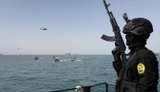
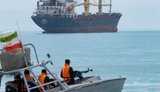
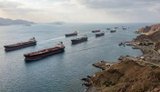
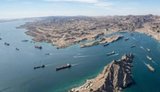
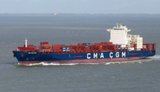
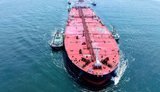
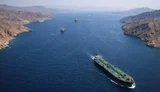
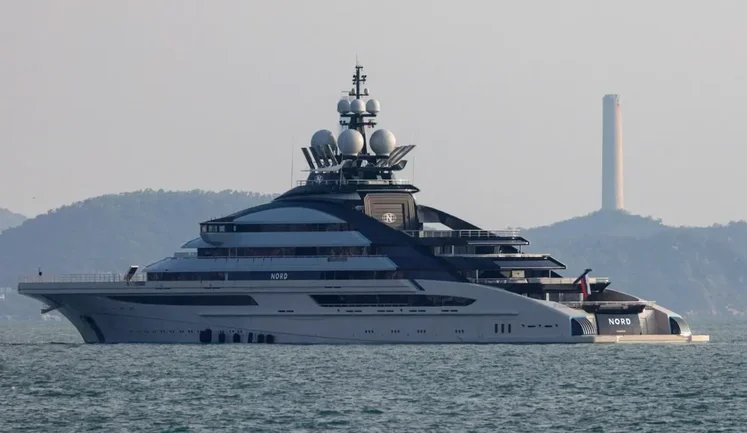
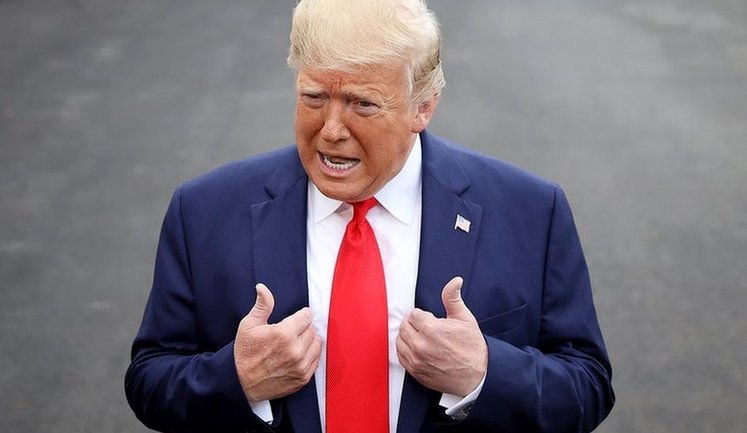
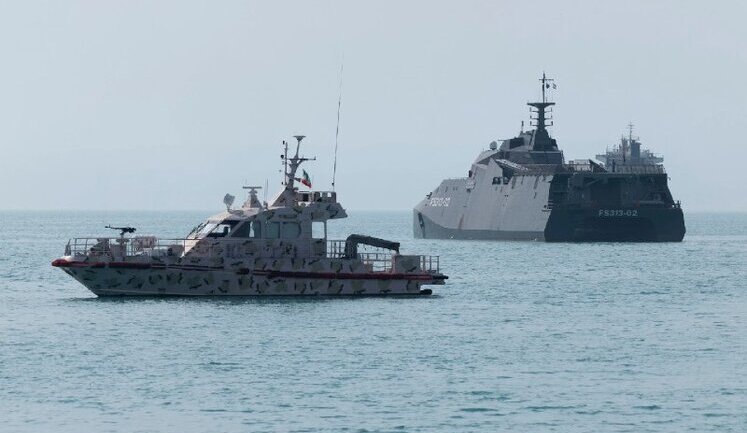
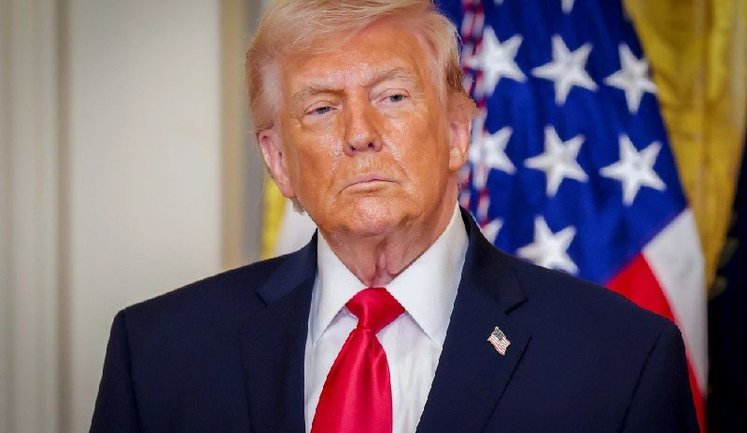
The recent closure of the Strait of Hormuz by Iran has intensified global tensions, impacting international shipping and security. Iran's actions have led to increased military presence and diplomatic discussions worldwide. The United States, under President Trump, has asserted its determination to ensure the reopening of this critical maritime route. This move by Iran, claiming security reasons, has provoked various international reactions, including proposed collaborative defense missions from over ten countries. Ukraine's President Zelenskyy has emphasized international cooperation to address these threats, while global leaders engage in strategic talks on ensuring navigation freedom. This geopolitical conflict, influencing global oil supply, has drawn diverse responses, demanding urgent resolutions for restoring stability in the region.
What is the significance of the Strait of Hormuz?
The Strait of Hormuz is a vital maritime channel through which a significant portion of the world's oil supply is transported. Its strategic importance makes it a focal point during geopolitical tensions, influencing global trade and security dynamics. The closure or disruption of this strait can have widespread economic impacts worldwide, affecting oil prices and shipping routes.
How has the international community responded to Iran's closure of the Strait of Hormuz?
In response to Iran's closure of the Strait of Hormuz, several countries, including the United States, have expressed concerns and emphasized the importance of keeping international waterways open. Diplomatic efforts are underway, with multiple nations ready to join a defense mission aimed at restoring safe passage and ensuring the continuity of global shipping activities.
What actions has the United States taken regarding the Strait of Hormuz situation?
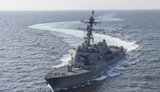
The United States, led by President Trump, has taken aggressive diplomatic and military steps to counter Iran's closure of the Strait of Hormuz. These include the deployment of US Navy ships to ensure safe navigation and the threat of force to secure the waterway. The U.S. emphasizes reopening the strait to prevent disruptions in the global oil supply and maintain freedom of navigation.
How does the closure of the Strait of Hormuz impact global oil prices?
The closure of the Strait of Hormuz significantly impacts global oil prices due to its role as a critical passage for oil transport from the Middle East. Disruptions in this region cause fluctuations in supply, leading to uncertainty and potential increases in oil prices on the global market. Restoring stability is crucial to mitigate economic impacts.
What role is Ukraine playing in the Strait of Hormuz situation?
Ukraine, under leadership figures such as President Volodymyr Zelenskyy, is advocating for international collaboration to address threats to navigation in the Strait of Hormuz. While direct military involvement has not been requested, Ukraine's experience in handling naval conflicts is deemed valuable, and it has shown readiness to engage in diplomatic discussions to help resolve the crisis.
Has there been any progress in negotiations regarding the Strait of Hormuz?
Negotiation efforts to resolve the Strait of Hormuz crisis have seen varied levels of progress. Some countries have convened meetings to discuss potential collaborative measures, though significant diplomatic tensions remain, including disagreements among major powers like Russia, China, and France. A resolution requires substantial negotiations and agreements among involved parties.