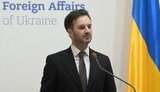
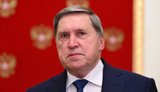
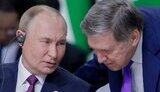
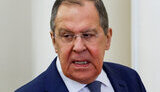
Amid increasing threats from Russian leader Vladimir Putin, the geopolitical tension in Europe has reached a boiling point. The Ukrainian Ministry of Foreign Affairs has denounced Russia's ultimatum demanding the withdrawal of Ukrainian troops from Donbas. Despite Russia's threats, no evacuations are planned by foreign diplomatic missions, including those from France and Poland, maintaining their presence in Kyiv. Similarly, the EU asserts its commitment to hold its ground against Russia's intimidation tactics. Putin's rhetoric suggests potential strikes on "decision-making centers" and retaliatory actions should Ukraine provoke during Moscow's May 9 parade, emphasizing the escalating threats from Russia. Thus, Europe is urged to bolster its defense capabilities in face of unclear intentions.
What is the current situation with Putin's threats towards Ukraine?
Putin's threats towards Ukraine involve demands for Ukrainian troop withdrawal from Donbas, with warning of strikes on "decision-making centers" in Kyiv if not complied with. These threats coincide with the planned May 9 parade in Moscow, with Russia pushing narratives of retaliation if provoked.
How is the international community responding to Putin's threats?
The international community, including France, Poland, and the EU, is not evacuating diplomatic missions in Kyiv despite Putin's threats. European leaders have condemned these threats as part of Russia's escalation tactics, stating they will continue operations resisting intimidation.
What demands has Russia made regarding Donbas?
Russia has demanded the withdrawal of Ukrainian Armed Forces from the Donbas region as a condition to continue trilateral talks with the US and Ukraine. The Kremlin views this withdrawal as pivotal for any potential de-escalation and resumption of diplomatic efforts.
Are the threats from Russia impacting the diplomatic operations in Kyiv?
Despite the threats, diplomatic operations in Kyiv remain unchanged, with countries like France, Poland, and the EU confirming their intention to maintain their presence and critique the provocative nature of Russia's statements as part of broader escalation tactics.
What are the implications of Putin's broader threats towards Europe?
Putin's broader threats towards Europe, including potential military confrontations, are taken seriously by European countries, prompting them to reinforce defense systems and counter the perception of Russian aggression, even labeling certain claims as "Kremlin nonsense".
How does Russia justify its aggressive rhetoric against Ukraine?
Russia justifies its aggressive rhetoric, including threats of strikes against Ukraine, by accusing Ukraine of provocation, including alleged attacks during symbolic Russian celebrations, such as the May 9 parade, suggesting retaliation if "provoked”.
What is the nature of Russia's threats regarding the Black Sea?
Putin has threatened to sever Ukraine from the Black Sea in response to attacks on Russian vessels. This illustrates the extent of Putin’s aggressive stance towards Ukraine, highlighting the strategic importance Russia places on control over maritime regions.
How does the Ukrainian government respond to Russia's demands on Donbas?
The Ukrainian government remains firm against Russia's demands to withdraw from Donbas, with the Ministry of Foreign Affairs labeling these conditions unacceptable while emphasizing Ukraine's sovereignty and territorial integrity. The government calls for global support against Russian ultimatums.