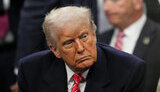
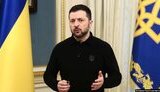
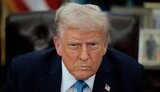
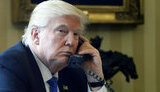
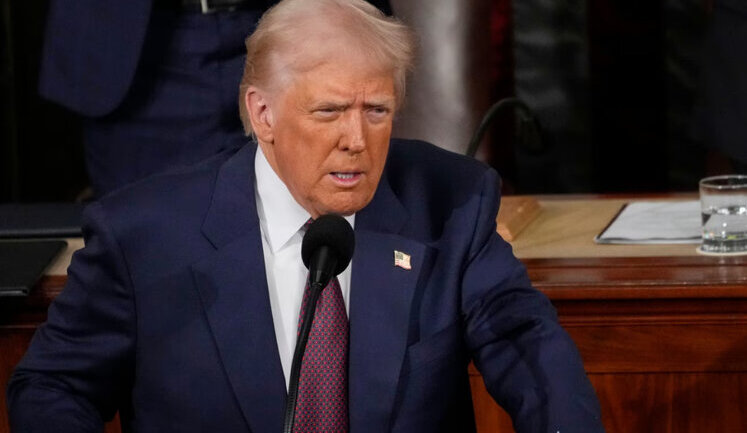
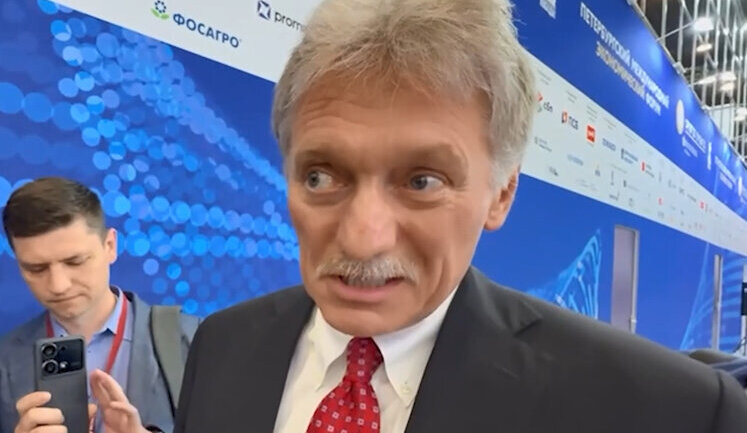
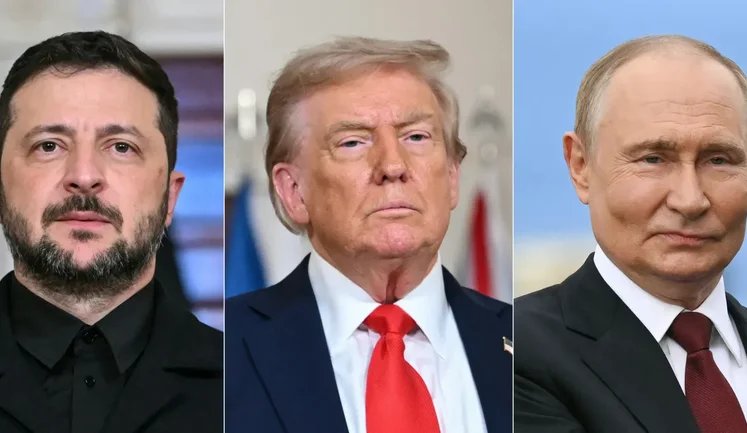
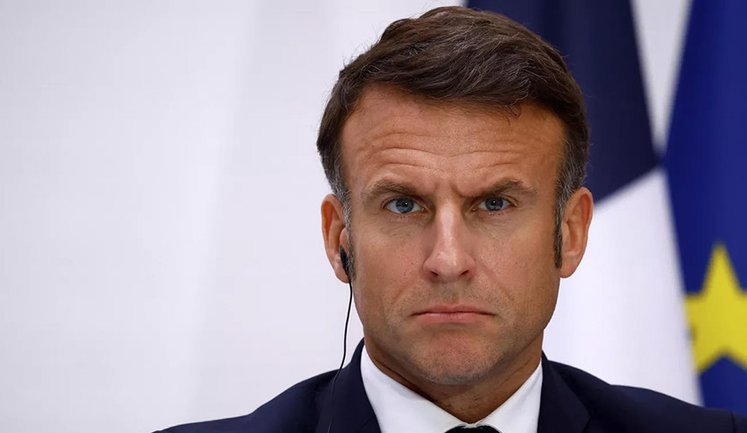
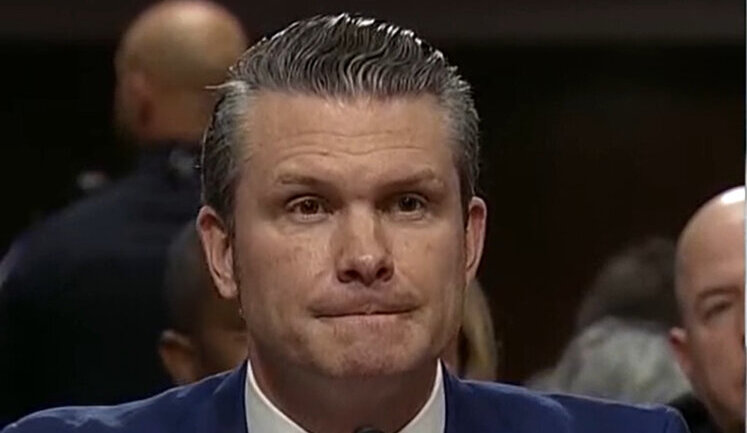
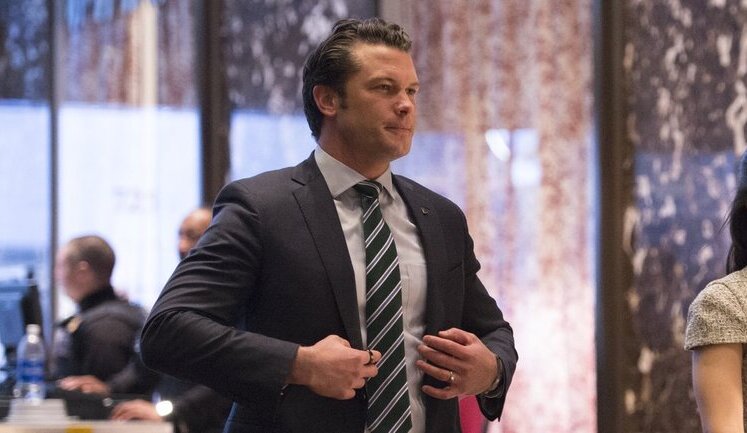
Recent statements from global leaders highlight diverse perspectives on achieving peace in Ukraine amid ongoing conflict with Russia. U.S. President Donald Trump emphasizes the need for peaceful resolution but points to deep-seated animosity between Vladimir Putin and Volodymyr Zelenskyy. French President Emmanuel Macron warns against compromising Ukraine's territorial integrity, stressing Moscow's weakened position. Optimism resonates through US Ambassador to NATO Matthew Whitaker, who believes peace is near despite unresolved specifics. Conversely, EU High Representative Kaja Kallas and UK Prime Minister Keir Starmer caution against rushed agreements, advocating for pressure on Russia to ensure fair terms. These narratives underscore the complex geopolitics influencing the pathway to a sustainable peace in Ukraine.
What are the main obstacles to peace between Russia and Ukraine?
The main obstacles to peace between Russia and Ukraine include deep-rooted animosity between their leaders, differing expectations for a peace settlement, and geopolitical interests from international stakeholders. Effective peace talks require addressing territorial disputes, ensuring fair terms for Ukraine, and persuading Russian leadership to genuinely commit to ending hostilities.
Why does Emmanuel Macron oppose concessions in peace talks?
Emmanuel Macron opposes concessions in peace talks because he believes that compromising Ukraine's territorial integrity would only embolden Moscow. He emphasizes that any peace deal must reflect Ukraine's sovereignty and insists that the weakened state of Russia post-aggression indicates potential leverage for gaining a fair agreement without yielding undue ground.
What hopes does US Ambassador Whitaker express about peace?
US Ambassador to NATO Matthew Whitaker expresses hope that peace is closer than ever. He acknowledges ongoing challenges but maintains optimism that a resolution is achievable. Whitaker suggests that diplomatic efforts have produced advancements, although the final stages of negotiations remain crucial to establish a formal, enforceable peace agreement.
How might rushed peace negatively impact Ukraine?
Rushed peace can negatively impact Ukraine by leading to agreements that weaken its sovereignty and security. Hasty settlements may fail to hold Russia accountable or address key issues like territorial integrity and national stability. Leaders like Kaja Kallas caution that without comprehensive terms, Ukraine risks becoming vulnerable to future aggression or manipulation.
What strategies are suggested to pressure Russia for peace?
Multiple leaders, including Keir Starmer and Ursula von der Leyen, suggest increasing diplomatic and economic pressure to compel Russia to engage in genuine peace talks. This may involve leveraging international alliances, imposing sanctions, and closing strategic gaps that Russia could exploit. The goal is to create conditions that make peace negotiations a preferable alternative to continued conflict.
What role does international support play in Ukraine's peace process?
International support plays a critical role in Ukraine's peace process by providing necessary diplomatic backing, economic aid, and military assistance to ensure Ukraine reaches a just resolution. Allies emphasize protecting Ukraine's interests, reinforcing its negotiating position, and countering Russian aggression, thus enhancing prospects for a viable peace accord that secures long-term regional stability.
What concerns exist about potential peace deals with Moscow?
Concerns about potential peace deals with Moscow center on the risk of agreements that could compromise Ukraine's independence or embolden future Russian aggression. Assurances must be in place to prevent unfair power dynamics and ensure mutual compliance. A comprehensive peace deal must also address humanitarian issues, territorial claims, and security arrangements to sustain durable peace.
What implications does Trump's stance have on the peace talks?
Trump's stance highlights a dual approach of optimism for peace and pressure on Russia. He indicates readiness to utilize diplomatic and economic tools to initiate negotiations, urging Russia toward meaningful discussions. His involvement reaffirms the US commitment to peace, though it requires careful balancing of assertive policies with maintaining diplomatic channels to achieve lasting outcomes.
How does global opinion on the Russia-Ukraine war impact peace efforts?
Global opinion significantly influences peace efforts by shaping diplomatic strategies and determining levels of international assistance. Widespread condemnation of the war pressures Russia to negotiate, while support for Ukraine bolsters its standing in talks. International consensus reinforces norms of sovereignty and peaceful resolution, thereby playing a pivotal role in guiding the peace process towards effective outcomes.