ENG




12829 visitors online
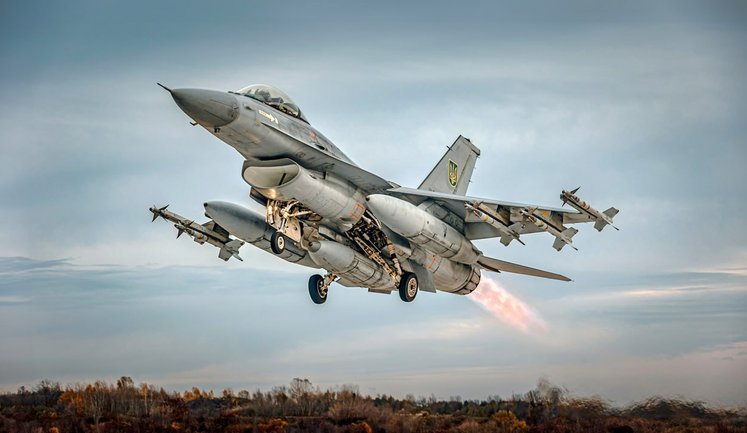
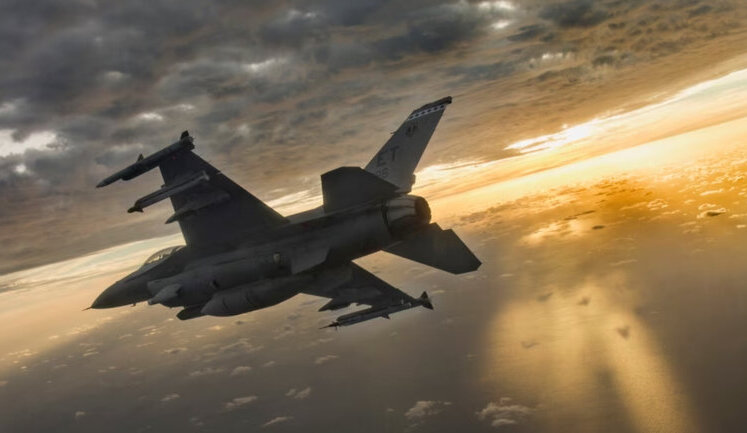
F-16 fighter jets are integral to Ukraine's air defense, combating both Russian aircraft and drones. Recent reports highlight issues such as maintenance delays in Belgium, which have led to half of these jets being non-operational. Furthermore, Ukraine grapples with a shortage of ammunition, straining its air defense capabilities. Despite these challenges, international allies, including Belgium and Norway, are committed to supplying additional jets and necessary equipment. Collaborations for pilot training, like the one with the Czech Republic, are crucial. The situation underscores the need for robust international support to maintain air security.
How are F-16 jets currently being utilized in Ukraine?
F-16 jets are primarily used for air defense in Ukraine, targeting Russian aircraft and drones. Despite operational challenges, they play a key role in intercepting missiles and engaging enemy forces. Their effectiveness, however, is hampered by maintenance issues and limited ammunition stocks.
What challenges are associated with the F-16s in Ukraine?
Challenges include delays in maintenance causing a portion of the fleet to be non-combat ready, limited ammunition supplies for air-to-air combat, and the need for continuous training for Ukrainian pilots. These issues are compounded by the increasing need for international support to sustain operations.
What support has Ukraine received for its F-16s from international allies?
Ukraine has received commitments from countries like Belgium and Norway for the delivery of additional F-16 jets and necessary ammunition. Moreover, training programs for Ukrainian pilots are being facilitated by countries such as the Czech Republic, enhancing operational readiness.
What impact does the maintenance delay in Belgium have on Ukraine's air defense?
The maintenance delay has resulted in roughly half of Ukraine’s F-16 fleet being unable to perform combat missions. This significantly impacts their ability to defend against Russian attacks effectively, illustrating the vulnerability and dependency on timely international logistical support.
How is the ammunition shortage affecting Ukraine's F-16 operations?
Ukraine's ammunition shortage for F-16s severely limits their operational capacity, hindering their ability to engage effectively against airborne threats. This shortage necessitates urgent international aid to replenish stocks and ensure the continued defense of Ukrainian airspace.
News F16
 Some munitions for F-16 fighter jets already on their way to Ukraine, – Zelenskyy Ukraine is sourcing munitions for F-16 fighter jets worldwide, and some packages are already on their way to the country. 1 238 22 Previously in trend: The work of the Ukrainian F16
 Zelenskyy: New tasks for long-range operations have been set President Volodymyr Zelenskyy discussed the execution of the Defence Forces’ long-range operations with Defence Minister Yevhenii Khmara and Commander-in-Chief of the Armed Forces of Ukraine Mykhailo Drapatyi. 1 752 27 Previously in trend: Striking Russia
 Belgium will supply Ukraine with F-16s fitted with upgraded electronic warfare system, - Defence Minister Franken Belgium is preparing to transfer additional F-16s to Ukraine, but must first obtain permission from France due to the French electronic warfare technology fitted to the aircraft. 1 392 3 Previously in trend: F-16 fighters from Belgium
 Ukraine will begin using small missiles against jet-powered drones by end of October, - Zelenskyy Results regarding the use of small missiles to counter Russian jet drones are expected in the second half of October. 2 420 37 Previously in trend: Countering Russian drones
 About half of Ukraine’s F-16s have been undergoing repairs in Europe for long time, - Zelenskyy About half of the F-16 fighter jets used by Ukraine have been in Europe for an extended period for repairs and maintenance. Due to delays in the return of the aircraft, Ukraine is losing valuable time when the fighter jets are particularly needed to defend its airspace. 1 734 25 Previously in trend: The work of the Ukrainian F16
 Foreign Ministry refuted reports of "catastrophically low" operational readiness of Ukrainian F-16s. The Ukrainian Ministry of Foreign Affairs has denied reports of an allegedly catastrophically low operational readiness rate for Ukrainian F-16 fighter jets and excessively long maintenance turnaround times. 1 540 17 Previously in trend: F-16 for Ukraine The work of the Ukrainian F16
 Half of Ukraine’s F-16s are not combat-ready due to slow maintenance in Belgium, - WSJ The F-16 fighter jets, which Ukraine also uses to counter Russian jet drones, require regular technical inspections. However, due to delays in maintenance in Belgium, half of Ukraine’s fleet of these aircraft is currently unable to carry out combat missions. 3 972 16 Previously in trend: F-16 fighters from Belgium The work of the Ukrainian F16
 Zelenskyy and Støre discussed relentless Russian terror, strengthening air defence and F-16s President Volodymyr Zelenskyy held a conversation with Norwegian Prime Minister Jonas Gahr Støre. 576 2 Previously in trend: Aid to Ukraine from Norway F-16 for Ukraine
Belgium to transfer three F-16 fighter jets to Ukraine by year-end – Zelenskyy Ukraine will receive three F-16 fighter jets from Belgium by the end of 2026. The aircraft are to be transferred under an expedited procedure. 1 209 15 Previously in trend: F-16 fighters from Belgium F-16 for Ukraine
 Ukrainian F-16s operate with limited ammunition stocks – Air Force Ukrainian pilots are effectively using the F-16s at their disposal with limited stocks of munitions. 3 659 16 Previously in trend: The work of the Ukrainian F16
 Belgium will provide Ukraine with ammunition for F-16s to counter "Shahed" jet-powered drones Belgium plans to equip Ukrainian F16 fighter jets with systems to counter "Shahed" jet-powered drones by the end of 2026. 1 876 4 Previously in trend: shortage of missiles for air defence systems
 Ukraine has nearly run out of missiles for its Patriot and F-16 systems as Russia ramps up production, - The Economist Ukraine has nearly exhausted its stockpiles of American AIM-120 and AIM-9 missiles for F-16 fighter jets, as well as PAC-3 interceptors for Patriot air defense systems. At the same time, Russia continues to ramp up production of ballistic missiles and new strike drones. 5 960 43 Previously in trend: shortage of missiles for air defence systems
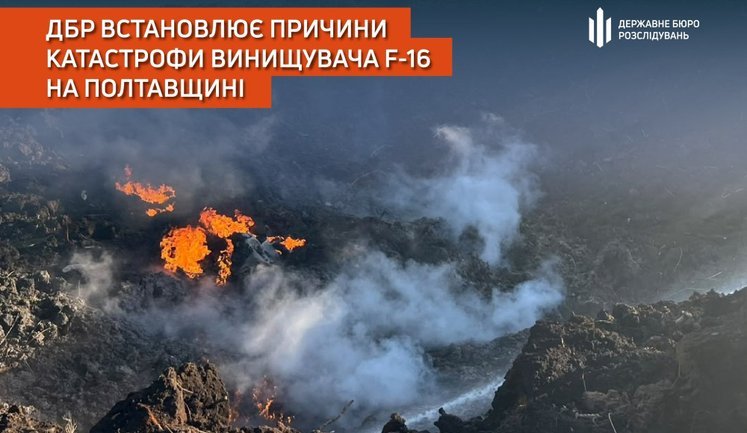
 State Bureau of Investigation is establishing causes of F-16 fighter jet crash in Poltava region. PHOTO Officials from the State Bureau of Investigations have launched a pre-trial investigation into the crash of an F-16 fighter jet belonging to the Ukrainian Air Force, which occurred whilst the aircraft was carrying out a combat mission in the Poltava region. 4 851 17 Previously in trend: Ukraine lost aircraft
 Ukraine loses F-16 fighter jet, pilot ejects – Air Force On Wednesday, 29 July, the Air Force of the Armed Forces of Ukraine lost contact with an F-16 fighter jet. An in-flight emergency occurred aboard the aircraft, forcing the pilot to eject. 13 540 54 Previously in trend: Ukraine lost aircraft
 Ukraine has significantly strengthened its air defense, and Russian fighter jet was destroyed for first time by Ukrainian F-16 in air battle, - US General Caine. VIDEO Over the past few years, Ukraine has significantly strengthened its multi-layered air defense system thanks to the development of its own defense industry and support from its allies. 10 717 5 Previously in trend: Development of air defence in Ukraine
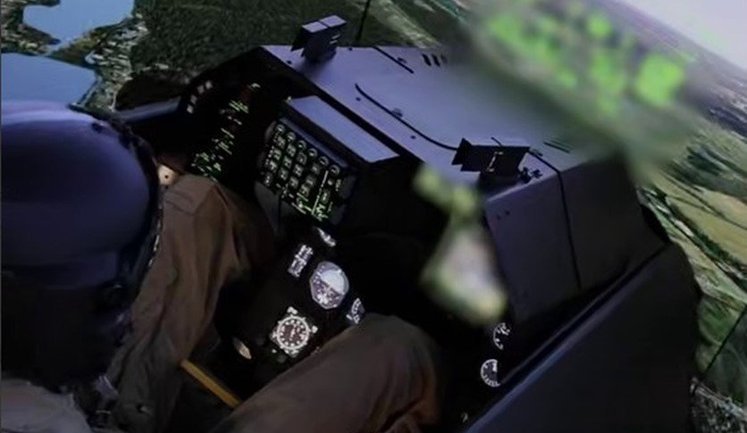
 Ukraine has received new batch of F-16 mobile simulators for pilot training, - Ministry of Defence. VIDEO Ukraine has received a new batch of F-16 mobile simulators. There are only a handful of such systems in the world. 1 300 2 Previously in trend: F-16 pilot training
 F-16 fighter jets performed well in repelling Russian attack, - Ihnat The F-16 fighter jets performed well in repelling a massive Russian air attack on the night of May 24. 5 426 25 Previously in trend: Massive combined attack
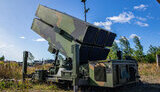 Patriot and NASAMS launchers are half-empty due to shortage of ammunition, - Air Force Ukrainian air defence units have critically low missile stocks, and international support remains vital. 5 310 57 Previously in trend: Ukrainian Air defence
 Polish F-16 fighter jets intercept Russian Su-30s over Baltic Sea On Friday, 24 April, Polish F-16 fighter jets intercepted and escorted two Russian Su-30 combat aircraft flying over the Baltic Sea. 1 776 6 Previously in trend: interception of Russian aircraft
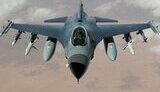 Norwegian F-16s to enter service with Ukraine soon The F-16 fighter jets transferred by Norway to Ukraine may soon enter service with the Air Force. 3 317 3 Previously in trend: F-16 for Ukraine
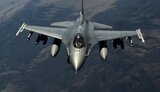 Ukraine has not yet received any of six F-16 fighters promised by Norway – media None of the six F-16 fighter jets that Norway promised to transfer to Ukraine in 2023 has been delivered to Ukrainian territory yet. The aircraft are undergoing preparation and repair at Sabena Engineering in Belgium. 5 137 27 Previously in trend: F-16 for Ukraine
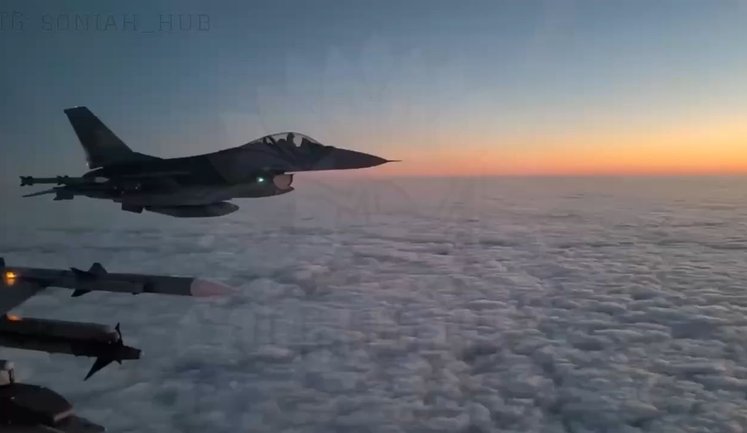
 Evening patrol of Ukrainian skies by pair of F-16 fighter jets from Ukrainian Air Force. VIDEO Footage has been published online showing an evening patrol by the Ukrainian Air Force using F-16 fighter jets. 9 320 14 Previously in trend: air space of Ukraine Air operations of AFU
 Ukraine has not received any F-16s from Belgium: Brussels says that no deadlines were set In three years, Ukraine has not received any of the 30 F-16 fighter jets promised by Belgium. Brussels has stated that the delivery date for the aircraft had not been precisely confirmed. 14 798 142 Previously in trend: F-16 fighters from Belgium F-16 for Ukraine
 For more than three weeks, Ukrainian F-16s defended the skies without American missiles, - Reuters Ukrainian F-16 fighter jets did not have enough missiles to shoot down Russian drones and missiles for more than three weeks after supplies from Kyiv's partners ran out. 6 073 18 Previously in trend: Ukrainian Air defence The work of the Ukrainian F16
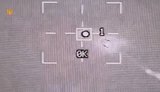 F-16 fighter jet shot down Russian Shahed with APWKS laser-guided missile. VIDEO The Ukrainian Air Force continues to demonstrate its skill in using F-16 multi-role fighters to protect Ukrainian airspace. According to Censor.NET, there has been a successful interception of a Russian "Shahed-136" kamikaze drone using a high-precision APWKS missile. 5 236 41 Previously in trend: Destruction of Russian drones
F-16s and Mirages destroy hundreds of drones and all cruise missiles during Russian attack – Air Force On the night of 17 February, the Air Force repelled a large-scale Russian air strike: all cruise missiles and more than 360 drones were destroyed. 5 101 18 Previously in trend: Massive combined attack
 Netherlands will transfer F-16 simulators to Ukraine for pilot training, - Defense Minister Brekelmans The Netherlands will soon transfer F-16 fighter jet simulators to Ukraine for pilot training. 685 9 Previously in trend: Aid to Ukraine from the Netherlands
 Ukrainian F-16 shot down Russian "Shahed" with "Vulcan" cannon. VIDEO Ukrainian pilots flying Western fighter jets continue to demonstrate precision in defending Ukrainian airspace. According to Censor.NET, unique footage of an F-16 fighter jet from the 107th Air Wing of the Ukrainian Air Force has appeared online. 9 617 42 Previously in trend: Shooting down Shaheds
 Pentagon signs contract for F-16 maintenance, including Ukrainian aircraft The US Department of Defense has signed a $235 million contract with Belgian company Sabena Aerospace Engineering for the maintenance of F-16 fighter jets, including those transferred to Ukraine. 1 055 2 Previously in trend: The work of the Ukrainian F16
 Patriot and F16 became main defenders of Ukrainian skies in 2025 Protecting Ukrainian airspace in 2025 has become the main task for the Western weapons received by the Armed Forces of Ukraine. 3 117 26 Previously in trend: Ukrainian Arms
Most enemy missiles were intercepted today by tactical aircraft, in particular F-16s, - Ihnat. VIDEO During the Russian Federation's nighttime attack on December 23, most of the enemy missiles were shot down by F-16 fighter jets. At the same time, Ukraine continues to experience a shortage of missiles for air defense systems and air-to-air ammunition, which are being supplied by Western... 4 829 40 Previously in trend: Result of the work of the air force Massive combined attack
 F-16 and Mirage-2000 aircraft shot down at least 10 enemy missiles last night - Air Force During the repulsion of today's massive enemy strike, F-16 and Mirage-2000 pilots intercepted and shot down at least 10 enemy cruise missiles. 2 288 5 Previously in trend: The work of the Ukrainian F16 Massive combined attack
 "Shaheds" have become more dangerous than ballistic missiles – Zelenskyy Russian Shahed attack drones currently pose a greater threat to Ukrainian cities than ballistic missiles. 5 028 13 Previously in trend: Interceptor drones Drone industry
 Belgium to deliver F-16s to Ukraine within year and half – Defense Minister Francken Belgium will provide Ukraine with F-16 fighter jets after receiving its new F-35 aircraft. 2 528 16 Previously in trend: F-16 fighters from Belgium F-16 for Ukraine Aid from Belgium
 Ukraine will receive all promised F-16s from Belgium after pilots are trained and technical procedures are completed, - Belgian Ministry of Defense The promised transfer of F-16 aircraft from Belgium to Ukraine will take place after the pilots have been trained and all technical procedures have been completed. 2 014 4 Previously in trend: F-16 fighters from Belgium
Ukraine to receive additional F-16 fighter jets from Belgium in 2026 – Defense Express Belgium has received its first fifth-generation F-35 fighter jets, a major step not only in the country’s long-awaited rearmament but also toward the transfer of additional F-16s to Ukraine, expected as early as 2026. 2 492 2 Previously in trend: F-16 fighters from Belgium F-16 for Ukraine
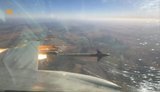 Ukrainian F-16 fighter jets shoot down Russian missiles. VIDEO Ukrainian F-16 fighters shoot down Russian Kh-101 missiles. 4 336 5 Previously in trend: The work of the Ukrainian F16
F-16s shot down most of enemy Kh-101 missiles: air force showed repulsion of Russian attack on night of September 20. VIDEO Ukrainian F-16 jets shot down the lion's share of enemy Kh-101 missiles that attacked Ukraine on the night of Saturday, 20 September. 10 650 77 Previously in trend: Massive rocket attack The work of the Ukrainian F16
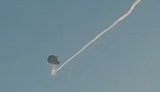 F-16 fighter jet shoots down Russian Shahed-136 kamikaze drone with AIM-9 missile. VIDEO A video of the destruction of a Russian Shahed-136 kamikaze drone by a Ukrainian F-16 pilot has been published online. 9 895 81 Previously in trend: AFU aviation
 Nawrocki demands explanations from Polish government after media article about missile from F-16 hitting his house Polish President Karol Nawrocki demanded an explanation from the Polish government after Rzeczpospolita published that the roof of a house near Lublin was damaged not by a drone but by a missile from a Polish F-16 fighter jet during a Russian UAV attack on September 10. 6 182 49 Previously in trend: Shaheds flew into Poland
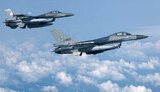 Belgium will provide Ukraine with several F-16s in coming months, - Foreign Minister Prévot In the coming months, Belgium will provide Ukraine with several F-16 fighter jets. 1 622 9 Previously in trend: F-16 fighters from Belgium F-16 for Ukraine
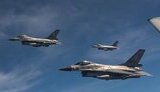 Number of F-16s Ukraine currently has is insufficient to guarantee air security – Zelenskyy President of Ukraine Volodymyr Zelenskyy said that the number of F-16 fighter jets provided by international partners is not enough to ensure Ukraine’s air security. 12 312 22 Previously in trend: Security guarantees for Ukraine F-16 for Ukraine
 Mobile complexes for servicing F-16s, developed in Ukraine, were handed over to Air Force. VIDEO The "Come Back Alive" Foundation, at the request of the Ministry of Defense of Ukraine and with the support of the state-owned company Ukrnafta, has developed, purchased, and delivered the country’s first mobile maintenance units for new-model aircraft to the Ukrainian Air Force. 3 613 3 Previously in trend: Mobile service complexes for F-16
 Czech Republic to train 8 Ukrainian pilots on F-16 fighters by end of 2026 The Ministry of Defence of the Czech Republic has proposed training Ukrainian pilots on F-16 fighter jets. The government officially approved the program on July 9. 2 061 4 Previously in trend: F-16 pilot training
 Farewell ceremony held in Kyiv for F-16 pilot Maksym Ustymenko, who died while repelling Russian attack. PHOTOS A farewell was bid in Kyiv to F-16 pilot Maksym Ustymenko, who was killed while repelling a Russian air attack on 29 June 2025 4 473 12 Previously in trend: Death of pilot Maksym Ustymenko
 Zelenskyy awarded title of Hero of Ukraine to F-16 pilot Maksym Ustymenko, who died while repelling Russian attack President of Ukraine Volodymyr Zelenskyy has awarded the title of Hero of Ukraine to pilot Maksym Ustymenko, who died repelling a Russian attack on June 29. 4 470 40 Previously in trend: Death of pilot Maksym Ustymenko
 I have instructed to investigate all circumstances surrounding death of F-16 pilot Ustymenko - Zelenskyy. VIDEO F-16 pilot Maksym Ustymenko was killed in today's enemy attack, and President Volodymyr Zelenskyy has instructed to investigation all the circumstances of his death. 8 839 156 Previously in trend: Massive rocket attack Ukraine lost aircraft
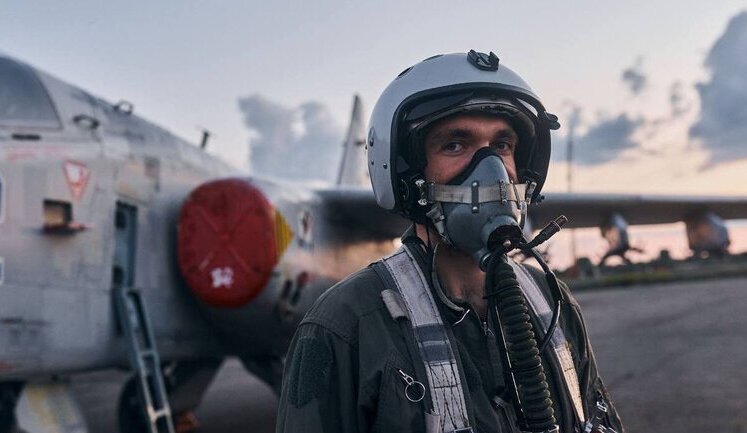
First class pilot Lieutenant Colonel Maksym Ustymenko was killed while repelling night attack. He steered damaged F-16 away from populated area - Air Force. PHOTO On the night of 29 June 2025, the Russian occupiers once again launched a massive missile and drone strike against Ukraine using various types of missiles and attack UAVs. In total, more than 500 air targets! 40 959 233 Previously in trend: losses of Ukraine Massive rocket attack Ukraine lost aircraft
Page 1 of 8
more news