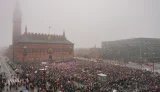
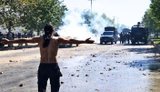
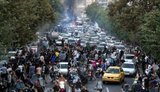
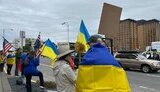
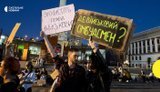
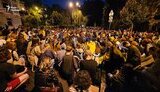
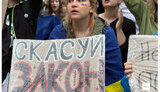
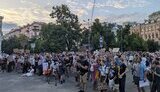
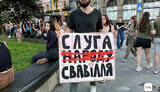
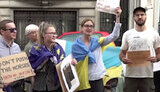
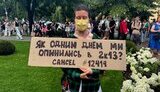
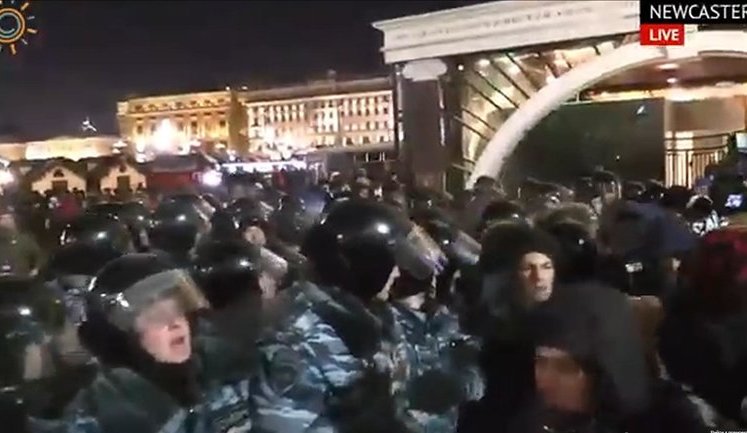
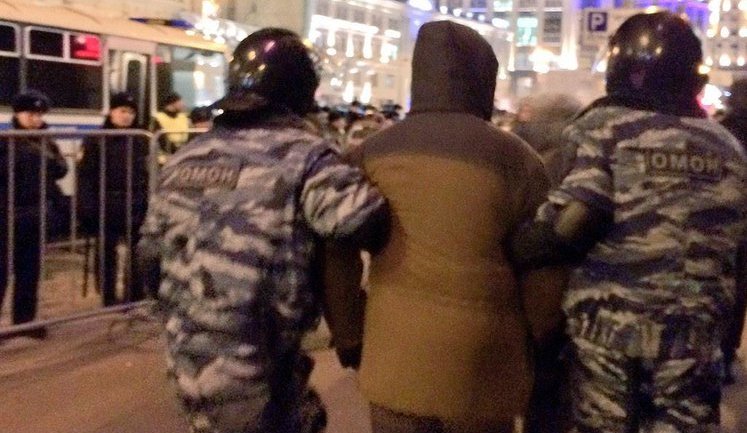
Protests across the globe show no signs of abating in 2026. From farmers in Russia expressing their outrage over livestock culling to Ukrainians protesting against power outages and economic grievances in Crimea, social tensions are creating waves. In Denmark, thousands rallied against U.S. intentions to influence Greenland. Meanwhile, Iran faces upheaval with citizens seizing cities and protesting poor living standards. In Ukraine, citizens are ready to rise against unfavorable negotiations with Russia. These events illustrate the power and impact of public dissent in shaping political landscapes worldwide.
What are the primary reasons behind the protests in Russia?
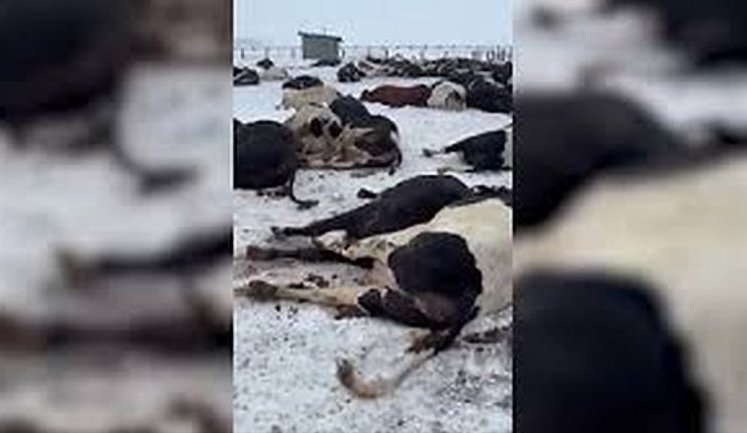
In Russia, protests have emerged primarily due to the culling of thousands of cows, which has angered farmers, especially in the Novosibirsk region. This action, deemed necessary by the authorities for health reasons, is seen by locals as a threat to their livelihoods, spurring significant unrest.
What sparked the protests in Crimea against the occupying authorities?
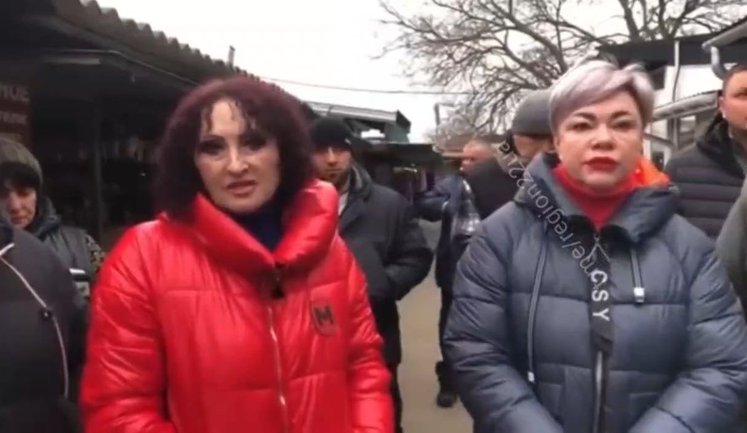
Entrepreneurs in Crimea are protesting against the occupation authorities due to heightened economic pressures, specifically due to increased rents that threaten their businesses’ survival. These grievances have translated into public demonstrations, reflecting growing social tensions in the region.
How is the geopolitical climate influencing protests in Denmark?
In Denmark, citizens have rallied in response to foreign policy maneuvers by the U.S., particularly concerning Greenland. Public opinion is firmly against suggestions of expanding American control, which citizens see as undermining their national integrity and sovereignty.
What factors are driving the mass protests in Iran?
Mass protests in Iran are primarily driven by deteriorating living standards, exacerbated by economic strife and governance issues. The protests have intensified with actions like arson of military bases and the seizure of cities, reflecting deep-seated frustration with the regime’s policies.
Why are Slovakians protesting against Prime Minister Robert Fico's government?
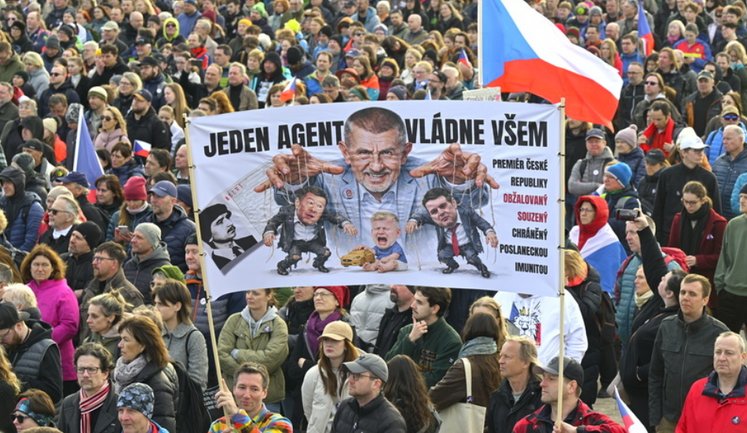
Slovakian citizens are protesting against Prime Minister Robert Fico’s government due to dissatisfaction with pro-Russian policies and economic management. These protests have mobilized significant portions of the population, demanding governmental changes and reflecting broader discontent.
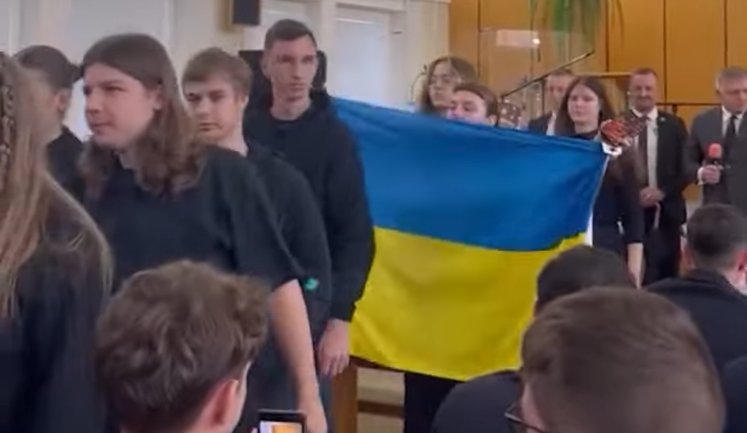
How are Ukrainians responding to potential political compromises with Russia?
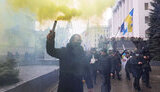
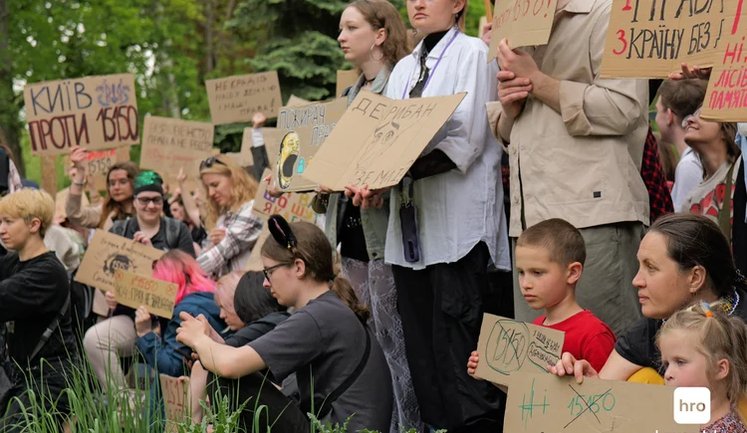
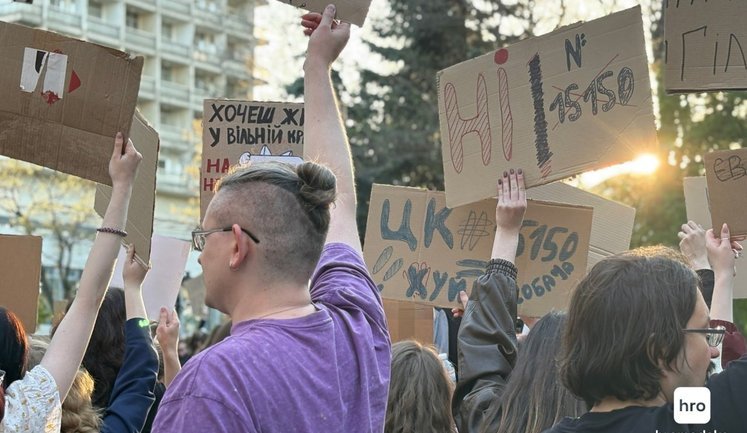
A significant portion of Ukrainians, over 51%, have expressed their readiness to protest against any potentially harmful compromises with Russia. This sentiment highlights the populace's fear of national sovereignty being undermined and their demand for transparency and integrity in negotiations.
What led to the deployment of U.S. Marines in Los Angeles amid local protests?
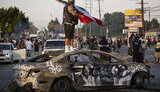
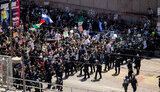
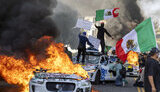
In Los Angeles, the deployment of U.S. Marines was a response to escalating protests related to immigration policies and federal government actions. The move to deploy additional security forces was controversial, sparking debates about state versus federal authority in handling civil unrest.