ENG




10920 visitors online
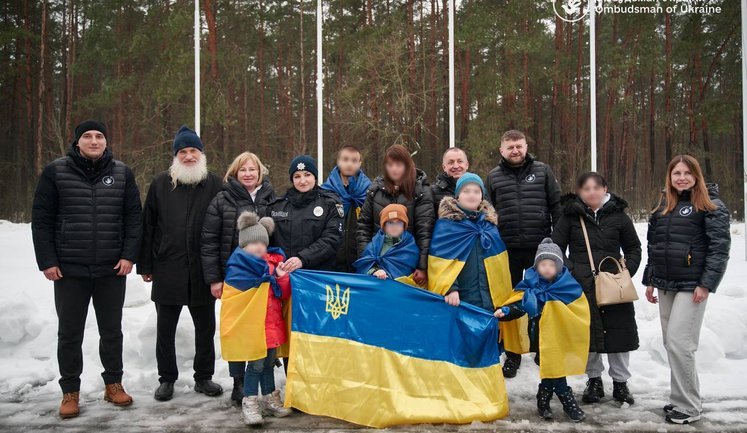
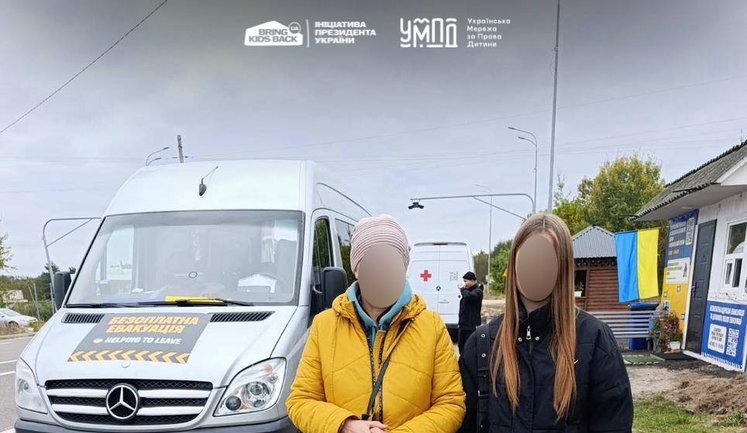
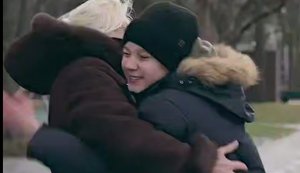
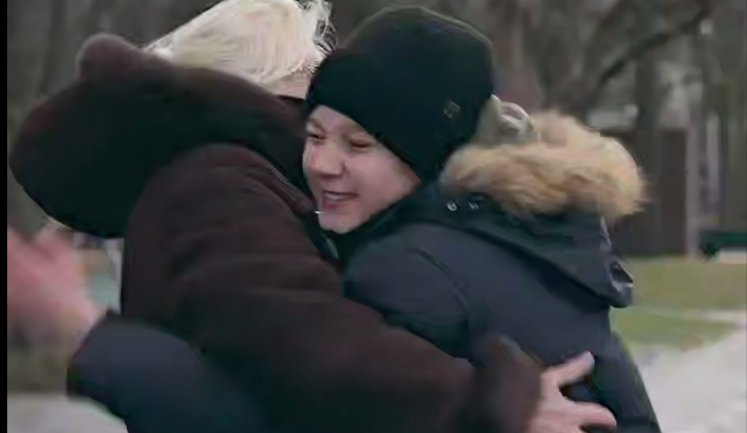
The "Bring Kids Back UA" initiative led by President Volodymyr Zelenskyy is seeing significant success in returning Ukrainian children from occupation. Recent reports highlight the return of groups from the temporarily occupied Kherson region and Russia, with involvement from various international entities and NGOs. The United States has allocated $25 million to aid these efforts, and collaborations with countries like Panama are underway to support the initiative. First Lady Melania Trump has also facilitated the return of children to their families, showcasing global commitment to this humanitarian cause. So far, the initiative has successfully brought back thousands of children, underscoring a concerted international effort to address the plight of abducted Ukrainian youth.
How does the "Bring Kids Back UA" initiative work in Ukraine?
The "Bring Kids Back UA" initiative spearheaded by President Zelenskyy focuses on rescuing Ukrainian children from occupied territories and reuniting them with their families. This initiative collaborates with international entities, non-governmental organizations, and governmental support to ensure the safe return of these children. The initiative has significantly expanded its reach with added financial backing from countries like the USA and diplomatic engagement with nations such as Panama.
What international support backs the return of Ukrainian children?
International support for returning Ukrainian children involves financial aid and diplomatic engagement from countries and international organizations. The United States has committed $25 million for these efforts, and figures like US First Lady Melania Trump have actively participated in facilitating the safe passage of children from occupied territories. The initiative also gains backing through an international coalition involving various nations and forums like the Organization for Security and Co-operation in Europe (OSCE).
How many Ukrainian children have been returned through these efforts?
To date, the "Bring Kids Back UA" initiative has successfully returned thousands of Ukrainian children who were held in occupied territories. These rescue operations have steadily increased, with ongoing efforts focused on securing the return of any remaining abducted children. The initiative's achievements are continually growing with international partnerships and humanitarian support aimed at reuniting children with their families.
What role do non-governmental organizations play in child return operations?
Non-governmental organizations play a vital role in the logistical and on-ground efforts to bring kidnapped Ukrainian children back. They provide crucial support, including legal advocacy, psychological counseling, and strategic partnerships, to ensure the effective operation of the "Bring Kids Back UA" initiative. Notable roles have been undertaken by organizations like Save Ukraine, which has been instrumental in these humanitarian efforts.
What challenges are faced in returning children from occupied territories?
Returning children from occupied territories involves several complex challenges, including negotiating safe passages amidst ongoing conflicts, verifying familial ties, and overcoming bureaucratic and legal roadblocks in hostile regions. Resources must be mobilized efficiently and include significant diplomatic efforts to engage with entities holding these children. The initiative also faces hurdles in providing immediate support and rehabilitation to children who have often experienced trauma during their abduction.
How has the international community responded to the child return initiative?
The international community has largely responded positively, providing both financial and administrative support to the "Bring Kids Back UA" initiative. Countries like the USA have allocated resources, and international leaders are engaging with Ukrainian diplomats to discuss cooperative measures to further facilitate the return operations. These actions reflect a growing global recognition of the humanitarian and legal issues posed by the abduction of Ukrainian children.
Are there other similar initiatives globally focusing on child protection?
Globally, several initiatives focus on child protection in conflict zones, often spearheaded by the United Nations and a plethora of humanitarian organizations. These initiatives typically aim to advocate for children's rights, secure safe environments, and provide essential rehabilitation services to affected children. Collaborative international frameworks seek to leverage diplomatic, financial, and legal tools to address and resolve such issues comprehensively.
Why is the "Bring Kids Back UA" initiative critical to Ukraine's recovery efforts?
The "Bring Kids Back UA" initiative is critical to Ukraine's recovery efforts as it addresses a vital aspect of the humanitarian crisis caused by Russian aggression. By focusing on returning abducted children, the initiative seeks to mend familial bonds and provide psychological and social rehabilitation to the country's youngest victims of the conflict. This effort not only fosters emotional healing but also strengthens societal resilience and national unity in the aftermath of war.
Related TOP news Returning children from occupation
 Russia offered to exchange abducted Ukrainian children for Russian military, - Zelenskyy President Volodymyr Zelenskyy said that the Russian side had offered to exchange Russian military personnel for abducted Ukrainian children. 2 289 34 Previously in trend: Returning children from occupation
 1,625 children abducted by Russia have been returned to Ukraine – Zelenska First Lady Olena Zelenska said that 1,625 children abducted by Russia have been returned to Ukraine, but at the current pace it would take 50 years to bring them all back. 1 067 14 Previously in trend: Returning children from occupation
 Melania Trump says six Ukrainian children returned from Russia to their families in Ukraine US First Lady Melania Trump has facilitated the return of six more Ukrainian children from Russia to their families. 1 567 18 Previously in trend: Deportation of children Returning children from occupation Abduction of children by Russia Kidnapping of children
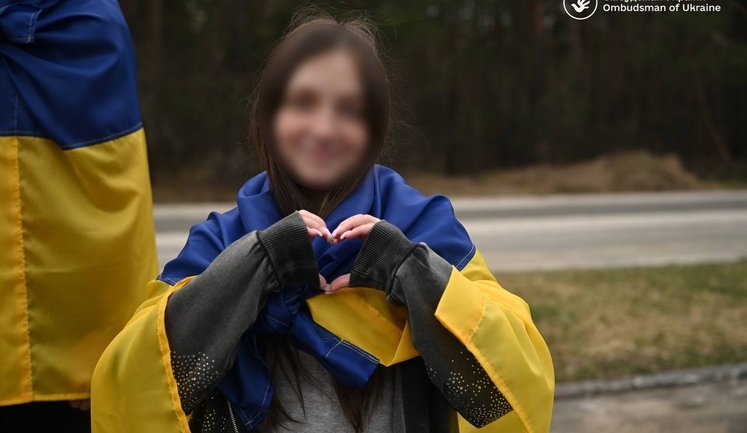
 Teenage girl from Mariupol returned from Russia to Ukraine As part of the initiative of the President of Ukraine Bring Kids Back UA, another Ukrainian teenage girl was returned from the territory of the Russian Federation. 4 950 12 Previously in trend: Returning children from occupation
 Ukraine brings back 20-year-old youth from occupied Crimea Another young Ukrainian has managed to escape occupation under President Zelensky’s Bring Kids Back UA initiative. He is 20 years old. 1 015 10 Previously in trend: Returning children from occupation Return from occupation
 Ukraine returned 2,000 deported children and continues work on returning others - Zelenskyy. VIDEO Ukraine has managed to return 2,000 children home who were illegally held under Russian control. The return took place within the Bring Kids Back UA initiative with the participation of state structures, non-governmental organizations, and international partners. 884 9 Previously in trend: Returning children from occupation Russian deportation of Ukrainian children
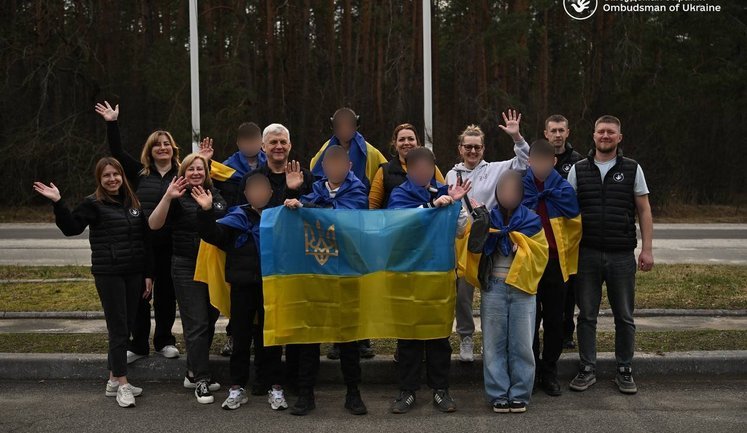
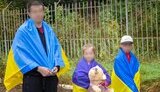 Three Ukrainian children and young man were returned from Russian Federation. PHOTO Three more children and a young man have been returned to Ukraine as part of the initiative of the President of Ukraine, Bring Kids Back UA. 1 341 9 Previously in trend: Returning children from occupation
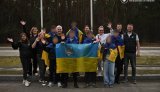 Seven Ukrainian children aged 13 to 17 returned from temporarily occupied territories – Lubinets. PHOTOS Another seven Ukrainian children aged 13 to 17 have returned from the temporarily occupied territories as part of the Bring Kids Back UA initiative with the assistance of the Office of the Ukrainian Parliament Commissioner for Human Rights. 1 235 6 Previously in trend: Returning children from occupation
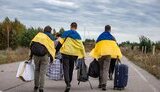 Another 11 children were returned from Russian-occupied territories As part of the initiative of the President of Ukraine Bring Kids Back UA, 11 more Ukrainian children have been brought home from the territories temporarily occupied by Russia. 617 6 Previously in trend: Returning children from occupation
 Zelenskyy invites OSCE to join International Coalition for Return of Ukrainian Children The President of Ukraine invited the Organization for Security and Co-operation in Europe (OSCE) to join the International Coalition for the Return of Ukrainian Children. 409 6 Previously in trend: Returning children from occupation International Coalition for the Return of Ukrainian Children
 Youth from occupied territories will be able to obtain Ukrainian documents in five countries, - MFA Young Ukrainians who were born in the temporarily occupied territories and do not have a Ukrainian passport will be able to apply for documents to return to Ukraine through a simplified procedure. 1 196 17 Previously in trend: Returning children from occupation
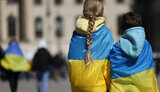 14-year-old girl brought back from TOT after more than three years under occupation. PHOTO As part of President Volodymyr Zelenskyy’s Bring Kids Back UA initiative, a 14-year-old girl who had been separated from her mother for more than three and a half years has been returned to Ukrainian-controlled territory. 2 327 6 Previously in trend: Returning children from occupation
 Zelenskyy discusses return of Ukrainian children and situation at Zaporizhzhia NPP with Guterres Ukrainian President Volodymyr Zelenskyy held talks with UN Secretary-General António Guterres. 588 5 Previously in trend: Returning children from occupation Abduction of children by Russia
 83 Ukrainian children have been returned from occupation and Russia thanks to Qatar’s assistance, - Lubinets. PHOTOS With the assistance of the State of Qatar, Ukraine managed to return 83 children from the temporarily occupied territories and Russia. 1 713 5 Previously in trend: Returning children from occupation
 Another 9 children brought back from occupied territories – Presidential Office Another nine Ukrainian children have been rescued from temporarily occupied territories as part of President Zelenskyy’s Bring Kids Back UA initiative. 541 5 Previously in trend: Returning children from occupation
 41 countries have already joined coalition for return of Ukrainian children - OP Currently, 41 countries have joined the International Coalition working to return Ukrainian children abducted by Russia. 2 723 4 Previously in trend: Returning children from occupation Abduction of children by Russia
 Group of children and teenagers were returned from Russian-occupied Kherson region, - RMA Another group of children and teenagers was successfully returned to Ukraine-controlled territory from the temporarily occupied Kherson region as part of the Ukrainian President's Bring Kids Back UA initiative and with the assistance of the Save Ukraine team. 986 4 Previously in trend: Returning children from occupation
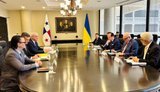 Panama joins International Coalition for Return of Ukrainian Children – Sybiha Today, 13 March, Ukrainian Foreign Minister Andrii Sybiha held talks with Panamanian Foreign Minister Javier Martínez-Acha during an official visit to the country. 882 4 Previously in trend: Returning children from occupation International Coalition for the Return of Ukrainian Children
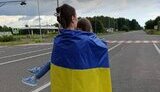 Two teenagers and 8-year-old girl were returned from temporarily occupied territories and Russia. PHOTOS Three more Ukrainian children have been returned from the temporarily occupied territories and from Russia. 1 241 4 Previously in trend: Returning children from occupation Return from occupation
Daughter and wife of Ukrainian serviceman have been returned from occupation – Office of President The daughter and wife of a Ukrainian serviceman have been returned from temporarily occupied territory as part of the President’s Bring Kids Back UA initiative. 1 332 4 Previously in trend: Returning children from occupation
 Within framework of peace process, Ukraine insists on formula of "all for all" exchange, - Lubinets Within the framework of the peace process and humanitarian track, Ukraine insists on the return of all its citizens—prisoners of war, civilian hostages, and deported children. 513 4 Previously in trend: Prisoner swap Returning children from occupation
Ukraine launches information campaign to return Ukrainian children taken by Russia Today, May 5, a national and international initiative was launched in Ukraine in response to the illegal deportation and forced transfer of Ukrainian children to Russia. 455 4 Previously in trend: Returning children from occupation Abduction of children by Russia
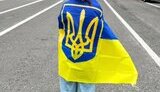 14-year-old daughter of fallen Ukrainian defender returned from occupied territories. PHOTO A 14-year-old girl, whom Russians planned to send to a boarding school in Russia, was returned from the temporarily occupied territories. 2 606 4 Previously in trend: Returning children from occupation Return from occupation
 Group of children who were held in occupied territories and in Russia have been returned to Ukraine. PHOTOS Children aged 3 months to 18 years who were in the temporarily occupied territories and Russia have been returned to Ukraine. 1 464 3 Previously in trend: Returning children from occupation
 18-year-old orphan boy returned from occupation As part of the initiative of the President of Ukraine Bring Kids Back UA, an 18-year-old orphan boy was rescued from the temporarily occupied territory. 868 3 Previously in trend: Returning children from occupation
 Another group of Ukrainian children brought back from occupied Kherson region As part of the Ukrainian President’s Bring Kids Back UA initiative, and with support from the Save Ukraine team, another group of children and teenagers has been returned to Ukrainian-controlled territory. 525 3 Previously in trend: Returning children from occupation
 Over 2,100 Ukrainian children abducted by Russian Federation returned as part of Bring Kids Back UA initiative, - Zelenskyy President Volodymyr Zelenskyy heard a report from Oleksandr Bevz and Maksym Maksymov, representatives of the Bring Kids Back UA team, on the initiative’s results. 445 4 Previously in trend: Returning children from occupation Program Bring Kids Back UA
 23 Ukrainian children and teenagers brought home from Russian-occupied territories As part of President Zelenskyy’s Bring Kids Back UA initiative, 23 Ukrainian children and teenagers have been rescued from Russian-occupied territories. They are now safe and receiving medical, psychological, and humanitarian assistance. 529 3 Previously in trend: Returning children from occupation
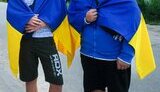 Teenager who spent three years under occupation successfully returned to Ukraine Within the framework of the Ukrainian President’s initiative Bring Kids Back UA, a teenager who spent over three years under occupation was rescued. 1 180 3 Previously in trend: Returning children from occupation
 Ukraine counts on Vatican’s continued role in freeing prisoners of war and children – Sybiha Ukrainian Foreign Minister Andrii Sybiha held a meeting in New York with Archbishop Paul Richard Gallagher, the Holy See’s Secretary for Relations with States. 462 2 Previously in trend: Returning children from occupation
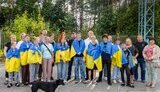 Another 11 children returned from temporarily occupied territories and Russia As part of the initiative of President of Ukraine Volodymyr Zelenskyy, Bring Kids Back UA, 11 Ukrainian children were returned from the temporarily occupied territories and the Russian Federation. Their ages range from 10 to 17 years old. 1 003 2 Previously in trend: Returning children from occupation
 Another 6 children were returned from occupation. Father of one of boys died after being tortured by Russian military - OP Ukraine has returned six more children from the Russian-occupied territories. 1 200 2 Previously in trend: Returning children from occupation
Another group of children and teenagers returned from temporarily occupied territories of Kherson region Another group of children and teenagers has been returned to Ukrainian-controlled territory from Russian-occupied areas of the Kherson region. 629 2 Previously in trend: Returning children from occupation
 Two groups of Ukrainian children returned from temporarily occupied territories. PHOTO As part of President Volodymyr Zelenskyy’s Bring Kids Back UA initiative, two groups of children and young people have been returned from temporarily occupied territories. 1 093 2 Previously in trend: Returning children from occupation
 Since beginning of full-scale war, Ukraine has returned 5757 adults and 1378 children from Russia, - Lubinets Since the beginning of the full-scale Russian invasion, 65 exchanges have taken place between Ukraine and Russia, during which 5757 Ukrainians have been returned, 294 of whom are civilian hostages of the Russian Federation. 432 2 Previously in trend: Returning children from occupation Rescuing soldiers from captivity
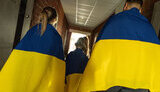 Group of children rescued from Russian-occupied territories Another group of children has been rescued from temporarily occupied territories as part of Ukrainian President’s initiative Bring Kids Back UA. 749 2 Previously in trend: Returning children from occupation
Another 12 children were returned from occupied territories: Some of them witnessed torture of relatives Another 12 Ukrainian children have been returned from territories temporarily occupied by Russia. 875 2 Previously in trend: Returning children from occupation Return from occupation
Ukraine brings back 16 more children from occupation Ukraine has managed to bring back another 16 children from Russian-occupied territories. This was carried out under the Bring Kids Back UA initiative. 569 1 Previously in trend: Returning children from occupation
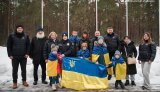 Five Ukrainian children returned from Russia and occupied territories. VIDEO+PHOTOS Five more Ukrainian children have been returned from Russian-occupied territories and Russia thanks to the active efforts of the Ombudsman's Office team, as part of the Ukrainian President's Bring Kids Back Ua initiative and with the involvement of the Save Ukraine public organisation. 1 369 1 Previously in trend: Returning children from occupation
Another group of children has been returned to territory controlled by Ukraine Another rescue operation took place on the temporarily occupied left bank of the Kherson region. Another group of children was returned to the territory controlled by Ukraine. 665 1 Previously in trend: Returning children from occupation
 Kept under constant watch by Russian troops: 17-year-old brought back from Russian-occupied territory Another 17-year-old teenager has been evacuated from Russian-occupied territory under President Zelenskyy’s Bring Kids Back UA initiative. 996 1 Previously in trend: Returning children from occupation Return from occupation
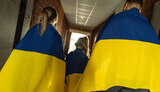 Two more children and teenager brought back from Kherson region’s temporarily occupied territory and Russia Two more children and a teenager have been brought back to Ukrainian-controlled territory from the temporarily occupied part of the Kherson region, and Russia, under the President of Ukraine’s Bring Kids Back UA initiative. 502 1 Previously in trend: Returning children from occupation
Another group of children and teenagers has been returned from toccupied part of Kherson region Another group of children and teenagers has been successfully returned from the part of the Kherson region temporarily occupied by Russia to territory controlled by Ukraine as part of Ukrainian President Volodymyr Zelenskyy’s "Bring Kids Back UA" initiative. 542 3 Previously in trend: Returning children from occupation
 Two teenagers returned from occupied part of Zaporizhzhia region The Save Ukraine team helped to return two teenagers from the occupied part of Zaporizhzhia region. 702 1 Previously in trend: Returning children from occupation
Four Ukrainian children brought back from TOT in Kherson region Four more children have been brought back from the temporarily occupied territory (TOT). 323 1 Previously in trend: Returning children from occupation
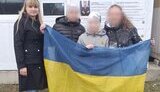 Another 11 children returned from occupation and Russia – Lubinets. PHOTOS We managed to return 9 children from the temporarily occupied territory of Ukraine, and two more from Russia. 525 1 Previously in trend: Returning children from occupation
 Another 22 Ukrainian children and teenagers returned from Russian-occupied territories. PHOTO A further 22 Ukrainian children and teenagers have been rescued from territories temporarily occupied by Russia under the President’s Bring Kids Back UA initiative. 890 1 Previously in trend: Returning children from occupation Return from occupation
Another group of children returned from occupied territories of Kherson region – RMA Another group of children from the temporarily occupied Kherson region has returned to Ukraine-controlled territory. 667 1 Previously in trend: Returning children from occupation
Page 1 of 2
pager_more_top_news