ENG




8925 visitors online
Close-quarters combat has become a key tactic in the ongoing Ukraine conflict, with Ukrainian Armed Forces executing daring raids and operations across the region. In the Zaporizhzhia sector, reconnaissance troops from the Defence Intelligence of Ukraine have successfully carried out special operations, dislodging occupiers from strategic positions. Similarly, in the Donetsk region, soldiers from the 8th Special Operations Regiment have effectively eliminated enemy reconnaissance troops during intense building clearance operations. These operations are characterized by close-range engagements, precision strikes, and an unwavering commitment to reclaiming territory. Videos released by various brigades depict the rigorous nature of these missions, showcasing the tactical proficiency and resilience of Ukrainian forces amidst the challenges of close-quarters combat.
What is close-quarters combat and why is it significant in the Ukraine conflict?
Close-quarters combat involves engagements in confined spaces where traditional battlefield strategies are impractical. In the Ukraine conflict, it is crucial for urban warfare, where Ukrainian forces neutralize occupiers in buildings and trenches, minimizing civilian casualties and reclaiming urban and suburban areas. This approach also allows for tactical precision and demonstrates the adaptability and skill of the Ukrainian military in high-pressure situations.
How have Ukrainian forces adapted their strategies for close-quarters combat?
Ukrainian forces have enhanced their close-quarters combat effectiveness by incorporating urban warfare tactics, specialist training for troops, and the use of close-support teams. These adaptations have enabled success in environments like Zaporizhzhia and Donetsk, where rapid, decisive actions are crucial for expelling occupiers and regaining control over strategic locations within combat zones.
What role does reconnaissance play in facilitating successful close-quarters combat operations?
Reconnaissance is essential in close-quarters combat as it gathers crucial intelligence on enemy positions and movements. In the Ukraine conflict, reconnaissance troops provide situational awareness, enabling Ukrainian forces to plan and execute precise raids and assaults, thereby increasing the likelihood of mission success while minimizing risks to personnel and infrastructure.
What are the challenges faced by Ukrainian forces in close-quarters combat?
The primary challenges include navigating complex urban environments, maintaining operational security in densely populated areas, and mitigating risks to civilians. Commanders must also ensure that their troops remain adaptable to rapid changes in engagement dynamics, all while sustaining morale and high levels of situational awareness in fast-paced and high-risk confrontations.
How do videos and media footage contribute to understanding Ukraine's combat strategies?
Videos and media footage from the frontlines provide valuable insights into the realities of combat, illustrating the tactical methods employed by Ukraine's forces. They serve as documentation of military successes and strategic evolution, aiding analysis and contributing to both domestic and international support through transparency of operations and morale-boosting imagery.
w117_header_alt Close-quarters combat
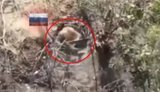 Occupier takes bullet to head during close-quarters combat with Ukrainian paratroopers in Oleksandrivka direction. VIDEO A video posted online shows close-quarters combat during an assault on a Russian position by Ukrainian paratroopers in the Oleksandrivka direction. One of the occupiers tried to repel the attack but was eliminated by a shot to the head. 10 074 17 Previously in trend: Close-quarters combat Fighting in the Oleksandrivka direction
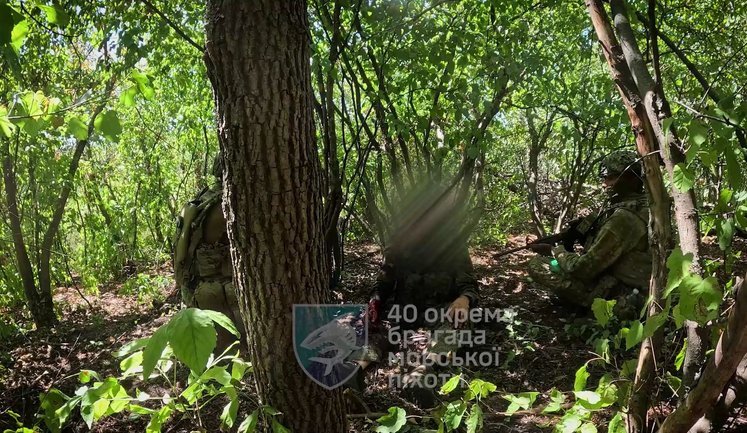
 Marines from 40th Marine Brigade, during Operation ’Audit’, cleared 5 km² in Pokrovsk direction and captured two Russian soldiers. VIDEO Ukrainian marines carried out Operation ‘Audit’, during which they detected Russian troops and cleared an area of approximately 5 km² of enemy forces in the Pokrovsk sector. 2 746 3 Previously in trend: Close-quarters combat Combat operations in the Pokrovsk direction captured occupiers
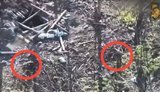 Ukrainian fighter in ambush eliminated two Russian assault troops with small-arms fire. VIDEO A video has been published online showing a Ukrainian soldier eliminating two Russian assault troops with a small arms weapon. 9 916 17 Previously in trend: Elimination of Russian occupying forces Close-quarters combat
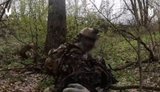 Special forces from "Bully Boys" reconnaissance and sabotage group launched close-quarters attack on enemy dugout and eliminated four occupiers. VIDEO The Ukrainian special operations group ‘Bully Boys’ from the 140th Separate Special Operations Centre carried out a lightning raid on a Russian military position. 6 012 7 Previously in trend: Elimination of Russian occupying forces Close-quarters combat
 Ukrainian assault trooper eliminates occupier who refused to surrender while clearing positions on Huliaipole axis. VIDEO Footage of close-quarters combat during Ukrainian defenders’ clearing of enemy defensive positions has been published online. 7 981 16 Previously in trend: Close-quarters combat Fighting in Huliaipole direction
 KRAKEN special forces and 3rd Separate Reconnaissance Battalion clear multi-storey building of occupiers. Combat video Dynamic and tense footage of close-quarters combat involving Ukrainian special forces has been published online. 7 332 15 Previously in trend: Close-quarters combat
 Six occupiers captured, three - "two hundred": close-quarters combat between Ukrainian paratroopers and Russians. VIDEO Ukrainian paratroopers neutralised a group of Russian occupiers during close-quarters combat on the Oleksandrivka sector of the front. 9 805 9 Previously in trend: Close-quarters combat Fighting in the Oleksandrivka direction
 Fighters of 225th Separate Assault Regiment cleared position and showed bag of Russians’ passports: "Army loves documents. Especially documents of dead b#stards". VIDEO Ukrainian assault troops continue to effectively clear Russian invaders from their positions. 11 319 9 Previously in trend: Close-quarters combat
 Soldiers of 6th Rangers Regiment of Special Operations Forces stormed and captured enemy facility, eliminating occupiers. VIDEO Operators from the 6th Regiment of the Special Operations Forces Rangers carried out a daring raid on an enemy target in one of the operational sectors. 7 283 14 Previously in trend: Elimination of Russian occupying forces Close-quarters combat
 Pair of UGVs equipped with Browning M2 machine guns, supported by UAVs, eliminate five Russian Army assault troops in close combat. VIDEO Ukrainian soldiers are once again rewriting the history of modern military operations by successfully integrating cutting-edge technology on the battlefield. Unique footage has been published online showing the coordinated operation of two ground-based robotic systems (UGVs), equipped with... 11 621 38 Previously in trend: Close-quarters combat Unmanned technologies
 Soldier of 132nd Separate Reconnaissance Battalion holds off occupier with grenade and small-arms fire, FPV drone catches up with and eliminates ruscist. VIDEO In the Zaporizhzhia direction, a Ukrainian scout of the 132nd Separate Reconnaissance Battalion engaged in a close-range small-arms fight with a Russian soldier, which ended with the occupier being eliminated. 4 802 2 Previously in trend: Drones against occupiers Close-quarters combat Elimination of Russian occupiers
 Operators of SOF 8th Regiment eliminate one invader and capture two during raid on occupiers’ position. VIDEO Operators of the 8th Regiment of the Special Operations Forces successfully carried out a raid on an enemy position in the Donetsk region. 3 988 8 Previously in trend: Elimination of Russian occupying forces Close-quarters combat Elimination of Russian occupiers
 Two ’200s’, one ’300’: Ukrainian paratrooper single-handedly halted advance of enemy reconnaissance troops. VIDEO A Ukrainian defender in the Donetsk region has demonstrated an incredible example of courage, tactical composure and exceptional combat skills. A single soldier from the Ukrainian Armed Forces’ Airborne Assault Troops managed, single-handedly, to neutralise a group of three Russian... 12 128 10 Previously in trend: Close-quarters combat
 Paratrooper from 25th Brigade destroyed Russian drone hunting Ukrainian UGV with small arms fire. VIDEO A soldier from the 25th Sicheslav Separate Airborne Brigade shot down a Russian drone with small arms as it attempted to attack a Ukrainian ground-based robotic system during a logistics mission. 4 365 10 Previously in trend: Close-quarters combat Destruction of Russian drones Unmanned Ground Vehicles UGVs
 Russian soldier mistakenly took fighter from 142nd Separate Mechanised Brigade for one of his own and was immediately eliminated by automatic fire. VIDEO A Ukrainian soldier from the 2nd Mechanised Battalion of the 142nd Separate Mechanised Brigade killed a Russian invader with small arms in close combat. 9 840 26 Previously in trend: Elimination of Russian occupying forces Close-quarters combat Fightings in the Zaporizhzhia direction
 Ukrainian infantryman holds off an assault by five invaders in close combat until arrival of Ukrainian Armed Forces drones. VIDEO Footage has been published online showing close-quarters combat in which a single Ukrainian infantryman managed to single-handedly repel an attack by five Russians on his position until drones arrived. According to Censor.NET, the incident took place on one section of the front line involving... 16 376 31 Previously in trend: Close-quarters combat
 Fighters from 8th Special Operations Regiment cleared forest strip and eliminated occupier who refused to surrender. VIDEO Ukrainian infantrymen from the 8th Regiment of the Special Operations Forces, part of the "UA_REG TEAM" unit, carried out a sweep of wooded terrain on one section of the front line. 6 042 5 Previously in trend: Elimination of Russian occupying forces Close-quarters combat
 Ukrainian infantryman kills occupier with burst from assault rifle in close combat while clearing trench. VIDEO A Ukrainian infantryman killed an occupier in close combat while clearing an enemy trench. 10 490 11 Previously in trend: Elimination of Russian occupying forces Close-quarters combat Fighting in Huliaipole direction
 "Artan X" fighters eliminated several Russians in close combat in Zaporizhzhia sector: "I’ve finished this one off. Take his radio. And knife – that’ll be my prize.". VIDEO Censor.NET has obtained a video showing fighters from the Ministry of Defence’s DIU’s ‘Artan X’ special forces unit inspecting the premises immediately after a firefight with Russian occupiers. The battle took place in the Zaporizhzhia sector. 12 057 10 Previously in trend: Close-quarters combat Fightings in the Zaporizhzhia direction
 Reconnaissance troops from Third Army Corps exposed infiltrated ruscists in forest. VIDEO Soldiers from the Third Army Corps cleared out enemy infantry that had infiltrated the forest within their area of responsibility. 6 891 5 Previously in trend: Elimination of Russian occupying forces Close-quarters combat captured occupiers
 AFU fighter with call sign "Florist" eliminated two disoriented occupiers on motorcycles at point-blank range. VIDEO During combat operations, a Defense Forces fighter with the call sign "Florist" from the 92nd Assault Brigade eliminated two occupiers on motorcycles at point-blank range. 12 399 11 Previously in trend: Close-quarters combat Combat operations in the Pokrovsk direction Elimination of Russian occupiers
 Reconnaissance troops from Defence Intelligence carried out series of raids and cleared occupiers’ positions in Zaporizhzhia region. VIDEO Soldiers from the Active Operations Department of the Defence Intelligence of the Ministry of Defence of Ukraine have carried out successful special operations in the Zaporizhzhia sector. 3 574 5 Previously in trend: Elimination of Russian occupying forces Close-quarters combat DIU special operations
 Fighters of 8th Special Operations Regiment eliminate two Russian reconnaissance troops while clearing building in Donetsk region. VIDEO Two Russian reconnaissance troops managed to penetrate beyond the forward positions of Ukraine’s Defense Forces in one of the operational directions, but their movement was detected in time by aerial reconnaissance operators. 6 791 8 Previously in trend: Elimination of Russian occupying forces Close-quarters combat
 Invader loses his head on battlefield after being shot by Ukrainian soldier with assault rifle. VIDEO 18+ Intense fighting continues in the Zaporizhzhia sector, where Ukrainian defenders are demonstrating great accuracy and determination in neutralising the enemy. The Ptashka DoDo strike UAV unit of the 5th Separate Kyiv Assault Brigade has released footage of a successful combat operation. This was... 14 023 20 Previously in trend: Close-quarters combat
 SOF fighters eliminate occupier in close combat near Pokrovsk: "Who are you?", - "We are AFU!". VIDEO Operatives from the 144th Special Operations Centre successfully carried out an operation to clear a building occupied by the enemy in the Pokrovsk direction. According to Censor.NET, the special operation took place in the winter of 2025 and was carried out by the "Jägermeister" group. 14 226 14 Previously in trend: Close-quarters combat Combat operations in the Pokrovsk direction
 Close combat between Ukrainian soldier and two occupiers near Pokrovsk. VIDEO An example of extraordinary courage and professionalism on the part of a Ukrainian infantryman was recorded in the Pokrovsk direction. According to Censor.NET, one Defence Forces soldier managed to hold his position under pressure from an assault pair of occupiers in close combat. 15 997 10 Previously in trend: Close-quarters combat
 Special forces of DIU conducted sweep of enemy in vicinity of Stepnohirsk, Zaporizhzhia region. VIDEO Special forces of the Defence Intelligence of the Ministry of Defence of Ukraine destroy the enemy in close combat. 5 392 2 Previously in trend: Elimination of Russian occupying forces Close-quarters combat Fightings in the Zaporizhzhia direction
 Special forces of 3rd SOF Regiment eliminate enemy group and evacuate AFU fighter with ground robot. VIDEO Special forces from the 3rd Regiment of the Special Operations Forces killed the occupiers and rescued a serviceman of Ukraine’s Armed Forces in the Pokrovsk direction. 4 849 5 Previously in trend: Elimination of Russian occupying forces Close-quarters combat Combat operations in the Pokrovsk direction Unmanned Ground Vehicles UGVs
 Special forces of 4th Rangers Regiment carried out raid on Russian positions, eliminating two occupiers. VIDEO Operators of the 4th Ranger Regiment of the Special Operations Forces conducted successful special actions in one of the directions of the front. 4 766 3 Previously in trend: Elimination of Russian occupying forces Close-quarters combat Elimination of Russian occupiers
 Sweeping in Kupiansk: three fighters from the 41st SMB eliminated two occupiers in private house. VIDEO Ukrainian defenders continue to methodically knock out Russian groups attempting to gain a foothold in the residential buildings of Kupiansk. According to Censor.NET, footage has appeared online of a successful close-quarters battle conducted by fighters from the 2nd Mechanised Battalion of the... 7 409 8 Previously in trend: Close-quarters combat Fighting in the Kupіansk direction
 Fighters of 101st Separate Guard Brigade blew up ruscists with TM mines in one of Kupiansk’s basements. VIDEO Fighters of the 2nd Battalion of the 101st Separate General Staff Guard Brigade carried out a sweep of enemy personnel in Kupiansk. 5 874 18 Previously in trend: Elimination of Russian occupying forces Close-quarters combat Elimination of Russian occupiers Fighting in the Kupіansk direction
 Scouts from 93rd Brigade "Kholodnyi Yar" captured two occupiers while clearing positions: "You keep messing around — you’ll get bullet in your head. Got it?". VIDEO Ukrainian defenders continue to drive the enemy out of fortifications in one of the hottest areas of the front line. According to Censor.NET, a unique video of close combat, filmed with a helmet camera by one of the scouts, has appeared online. 8 208 7 Previously in trend: Close-quarters combat captured occupiers
 "We tried to talk to them. In response, there was silence and scrambling": 115th Brigade eliminates occupiers in basement. VIDEO During search-and-strike operations by Ukrainian soldiers of the 115th Separate Mechanised Brigade of the Armed Forces of Ukraine's 10th Army Corps, occupiers were eliminated in the village of Bohuslavka. 7 582 7 Previously in trend: Elimination of Russian occupying forces Close-quarters combat Elimination of Russian occupiers
 Ruscists refused to surrender to 155th Separate Mechanized Brigade fighters and were eliminated on spot. VIDEO Ukrainian defenders from the 155th Separate Mechanised Brigade named after Anne of Kyiv carried out a special operation to clear an enemy shelter where the occupiers were located. 12 801 12 Previously in trend: Drones against occupiers Elimination of Russian occupying forces Close-quarters combat Elimination of Russian occupiers Drone operators
 International Legion’s "Revanche" clears enemy positions near Stepnohirsk. VIDEO Fighters of the Tactical Group "Revanche" from the International Legion of the Defense Intelligence of Ukraine of the Ministry of Defense of Ukraine carried out a clearing operation of enemy positions on the outskirts of Stepnohirsk. 5 248 1 Previously in trend: Elimination of Russian occupying forces Close-quarters combat Elimination of Russian occupiers
 Fighter of 12th Azov Brigade destroys two enemy "sleeper" drones with small-arms fire in middle of road. VIDEO Fighters of the FPV company of the Unmanned Systems Battalion of the 12th Azov Brigade destroyed enemy "sleeper" drones while returning from a combat mission. 4 247 8 Previously in trend: Destruction of Russian equipment Close-quarters combat
 Fighter from Alcatraz Battalion of 93rd Separate Mechanised Brigade shot down enemy drone with small arms fire while moving to his position. VIDEO Soldiers from the Alcatraz battalion of the 93rd Separate Mechanised Brigade Kholodnyi Yar shot down an enemy drone while moving to their positions in the Kostiantynivka direction. 6 602 13 Previously in trend: Destruction of Russian equipment Close-quarters combat Kostiantynivka direction
 "Prymary" group of 63rd Brigade conducts strike-and-search operations in Lyman direction. VIDEO The "Prymary" group, tasked with strike-and-search missions and made up of international and Ukrainian servicemembers of the 63rd Brigade of the Third Army Corps, continues to kill the enemy in the Lyman direction. 1 989 3 Previously in trend: Elimination of Russian occupying forces Close-quarters combat Hostilities in Lyman sector Fighting in the Serebrianskyi Forest
 Tried to break into trench and got bullet: 110th brigade soldier eliminates two occupiers. VIDEO Two occupiers tried to storm the position of soldiers from the 110th Separate Mechanized Brigade named after General-Khorunzhyi Marko Bezruchko in the Dnipropetrovsk direction. 13 420 13 Previously in trend: Elimination of Russian occupying forces Close-quarters combat
 South American volunteers of Khartiia brigade clear Kupiansk city council building. VIDEO A reconnaissance-strike group of South American volunteers from the NGU "Khartiia" brigade conducted a special operation to clear the city council building in Kupiansk. 9 452 17 Previously in trend: Close-quarters combat Fighting in the Kupіansk direction
 8th Special Operations Forces regiment carried out raid in snow-covered forest and captured three occupiers in Donetsk region. VIDEO Operators from the 8th Special Operations Forces Regiment carried out successful special operations in one of the areas in the Donetsk region. 6 446 15 Previously in trend: Elimination of Russian occupying forces Close-quarters combat
 Soldiers of 8th SOF Regiment capture two ruscists and take control of enemy position in Donetsk region. VIDEO Soldiers of the 8th Special Operations Forces (SOF) Regiment carried out a raid on an enemy position in the Donetsk region. 2 564 6 Previously in trend: Close-quarters combat captured occupiers
 225th Regiment fighter sets up ambush and eliminates three occupiers in close-range fight. VIDEO A soldier from the Morok Battalion of the 225th Separate Assault Regiment engaged in close-range small-arms combat and eliminated three occupiers. 18 479 71 Previously in trend: Elimination of Russian occupying forces Close-quarters combat Elimination of Russian occupiers
 93rd Brigade scouts eliminate ruscist who mistook Ukrainian fighters for his own. VIDEO Ukrainian reconnaissance troops from the CHAMELEON TEAM company of the 93rd Separate Mechanised Brigade "Kholodnyi Yar" eliminated the occupier in a small-arms firefight. 6 963 12 Previously in trend: Elimination of Russian occupying forces Close-quarters combat Elimination of Russian occupiers
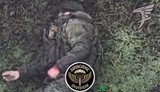 Automatic bullets pierce occupier’s body during close combat. VIDEO Footage of combat operations by servicemen of the 25th Separate Airborne Brigade of Sicheslav has been published online. 15 927 29 Previously in trend: Close-quarters combat
 Fighters of 225th Assault Regiment eliminated three occupiers, and one surrendered. VIDEO Soldiers of the 225th Separate Assault Regiment successfully thwarted attempts by Russian forces to press the offensive and launched a counterattack on the occupiers' positions. 3 432 3 Previously in trend: Elimination of Russian occupying forces Close-quarters combat captured occupiers Elimination of Russian occupiers
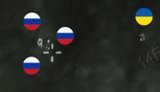 Ukrainian assault troops eliminated seven occupiers in Lyman direction. VIDEO Ukrainian defenders destroyed a group of Russian infantrymen in close combat on the Lyman front. The video of the combat operation was released by soldiers of the 1st Mechanised Battalion of the 60th Separate Mechanised Brigade. 6 368 10 Previously in trend: Close-quarters combat
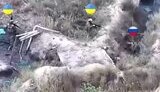 Two fighters of 63rd SMB eliminated occupier who attempted solo assault on Ukrainian positions. VIDEO Two fighters of the 63rd Separate Mechanized Brigade (SMB) eliminated a Russian soldier in close-quarters combat who single-handedly attacked Ukrainian positions. 13 041 23 Previously in trend: Close-quarters combat
Page 1 of 2
more news