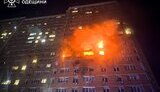
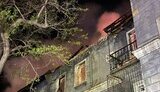
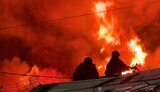
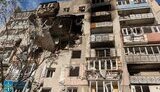
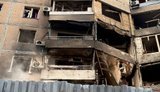
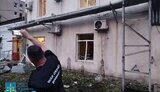
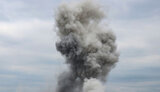
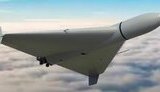
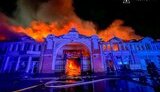
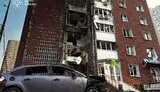
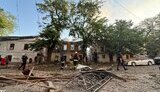
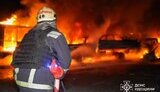
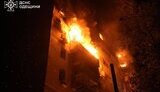
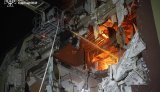
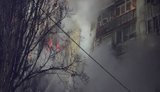
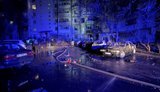
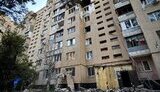
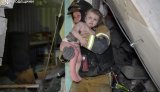
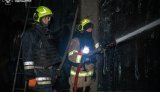
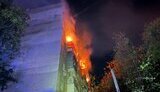
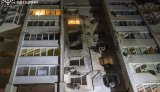
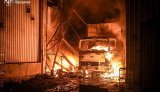
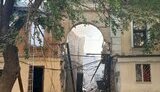
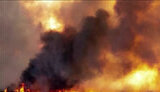
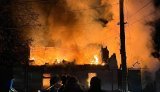
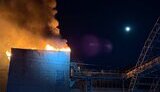
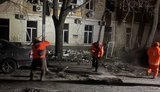
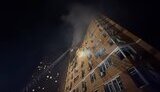
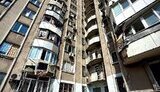
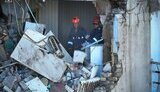
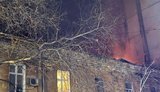
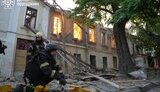
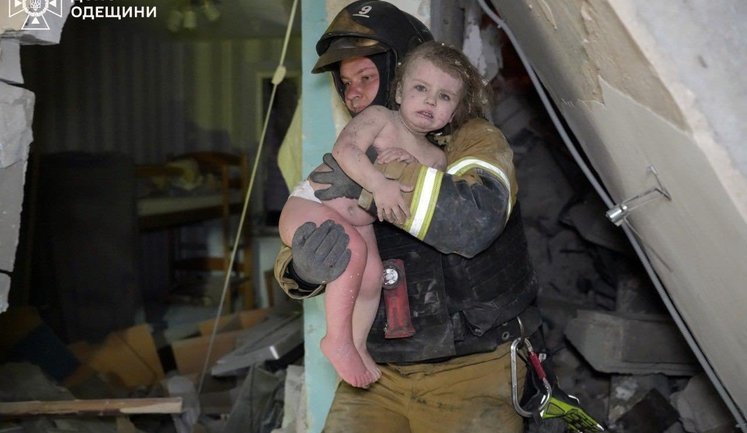
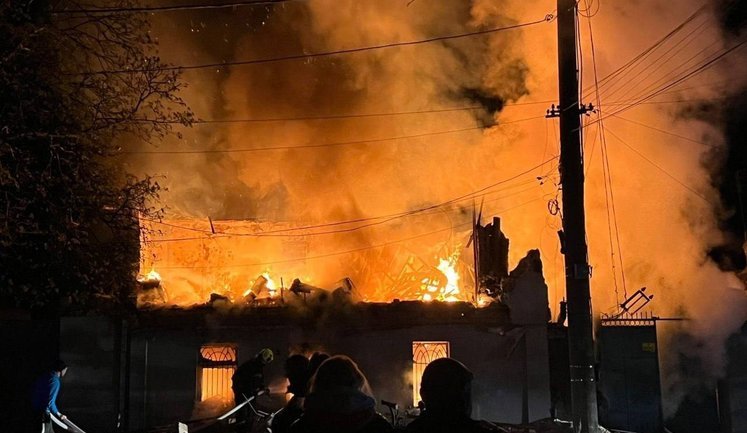
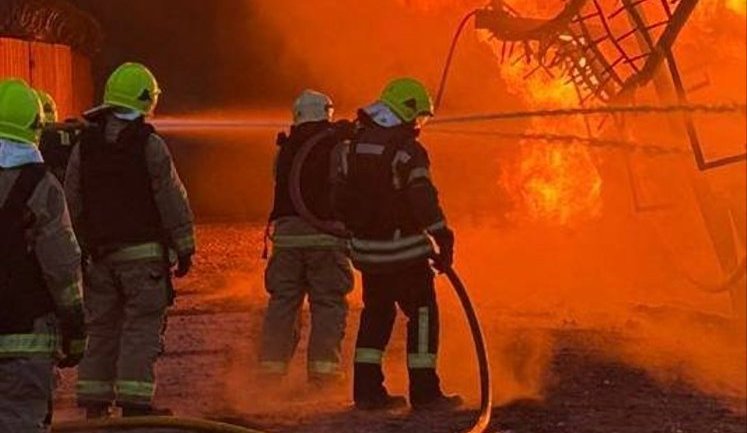
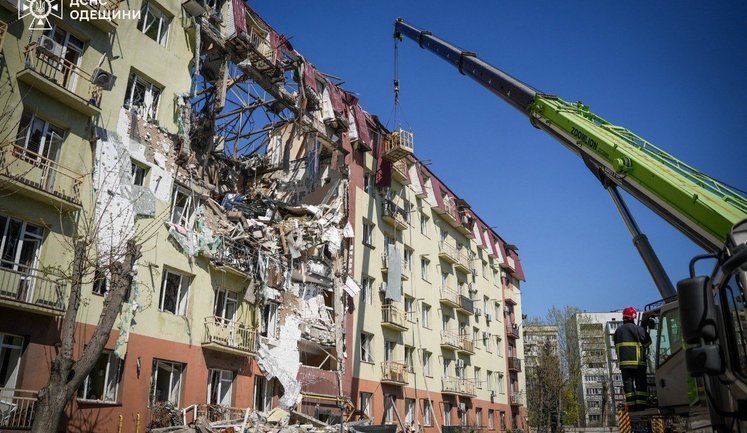
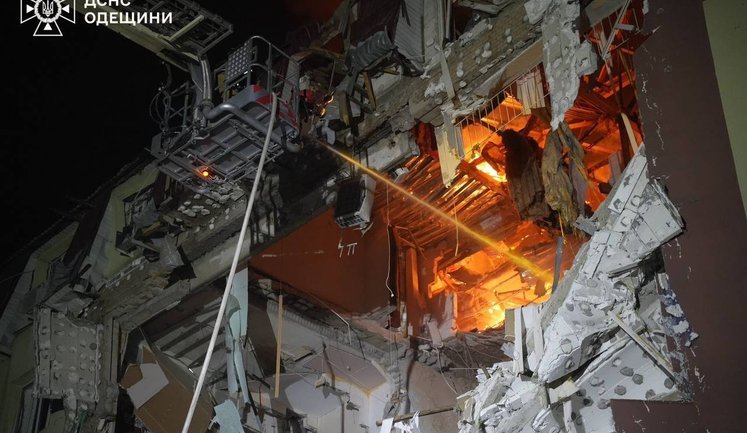
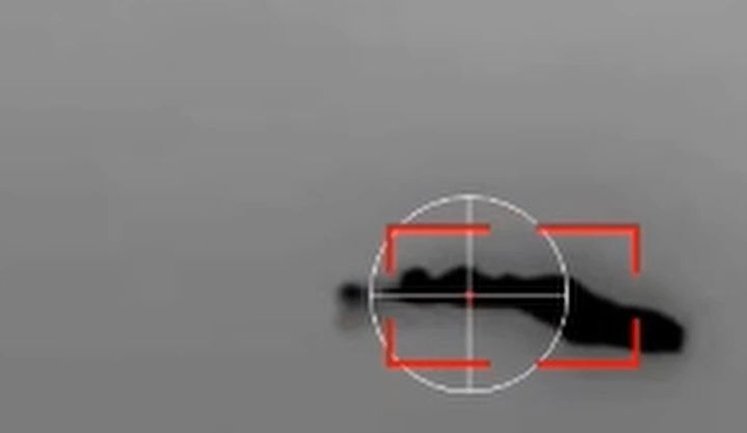
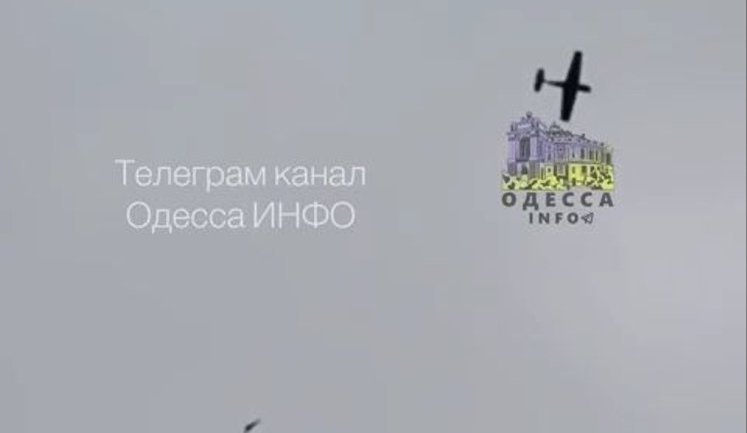
The Russian UAV attack on Odesa on March 28, 2026, prompted the city to declare April 1 a day of mourning for those who lost their lives. The attack resulted in the death toll rising to three, with numerous injuries and significant damage reported in residential and infrastructural areas. Ukrainian forces, led by President Zelenskyy, confirmed that more than 60 drones targeted the city, causing widespread destruction. Significant damage to farms and grain silos in the region was also reported, reflecting the continuing strategic targeting of civilian and infrastructural targets by the Russian military. As the region grapples with the aftermath, international and local responses continue to focus on aid and rebuilding efforts.
What is the aftermath of the UAV attack on Odesa?
The aftermath of the UAV attack on Odesa on March 28, 2026, was severe, with the death toll rising to three and many others injured. President Zelenskyy reported significant damage to residential and infrastructure areas after more than 60 drones targeted the city. This led to April 1 being declared a day of mourning in Odesa, highlighting the region's ongoing struggles with the consequences.
How has the response been to the UAV attacks in Odesa?
The response to the UAV attacks in Odesa has been multifaceted. Locally, April 1 was declared a day of mourning. Internationally, there has been condemnation of the Russian actions and various offers of support for rebuilding infrastructure and aiding affected civilians. Ukrainian military forces are actively engaged in defending the region from further attacks.
What damage was caused by the UAV attack on March 28 in Odesa?
The UAV attack on March 28 in Odesa caused widespread destruction. Residential areas, infrastructure, farms, and grain silos were significantly damaged. It left two people dead initially, with the death toll later rising. The city's economy and daily life were heavily disrupted as a result.
Who are the main entities involved in the UAV attack on Odesa?
The main entities involved in the UAV attack on Odesa were the Russian military forces, who launched over 60 drones at the city, and Ukrainian defense forces, who have been responding to these aggression incidents. The attack also prompted regional and international political and humanitarian responses to aid Odesa.
What are the international reactions to the UAV attack on Odesa?
The international reactions to the UAV attack on Odesa have been largely condemnatory towards Russia's actions. Many countries, alongside international organizations, have criticized the use of drones against civilian targets and have called for increased support for Ukraine. Humanitarian aid and reconstruction initiatives are being discussed to aid the affected regions.
What measures are being taken to prevent further attacks on Odesa?
To prevent further attacks on Odesa, Ukrainian military forces are enhancing their air defense capabilities. This includes bolstering anti-drone defense systems and increasing military presence in vulnerable areas. Additionally, international allies are providing support in terms of military hardware and intelligence to help safeguard the region against further threats.
How has the UAV attack impacted civilian life in Odesa?
The UAV attack has severely impacted civilian life in Odesa. The destruction of residential buildings and infrastructure led to significant displacement and disruption of daily activities. Services such as electricity, water, and public transport have faced intermittent interruptions, further affecting the daily lives of residents who are now also dealing with trauma and loss.
Why was April 1 declared a day of mourning in Odesa?
April 1 was declared a day of mourning in Odesa to honor and remember those who were killed and affected by the tragic UAV attack on March 28, 2026. This decision reflects the community's grief and the recognition of the significant loss and damage caused by the attack, allowing residents to come together in shared sorrow and solidarity.