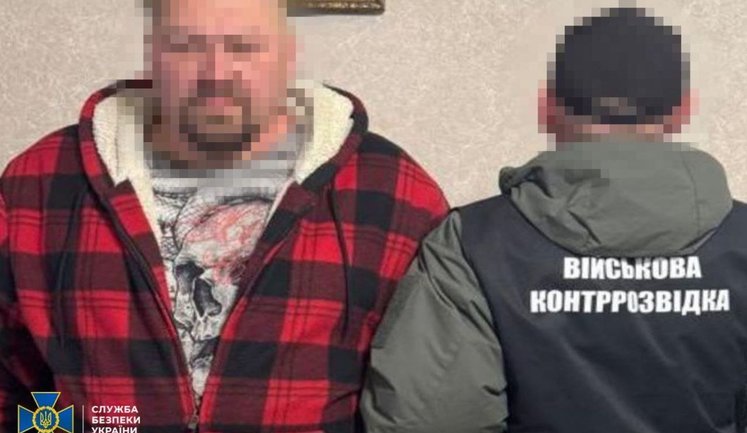
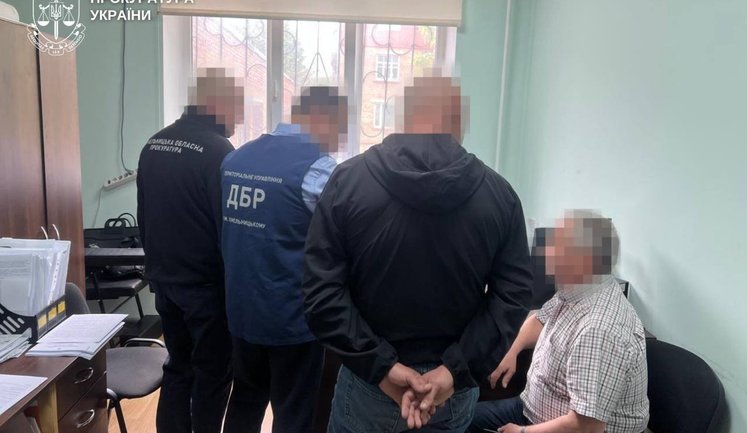
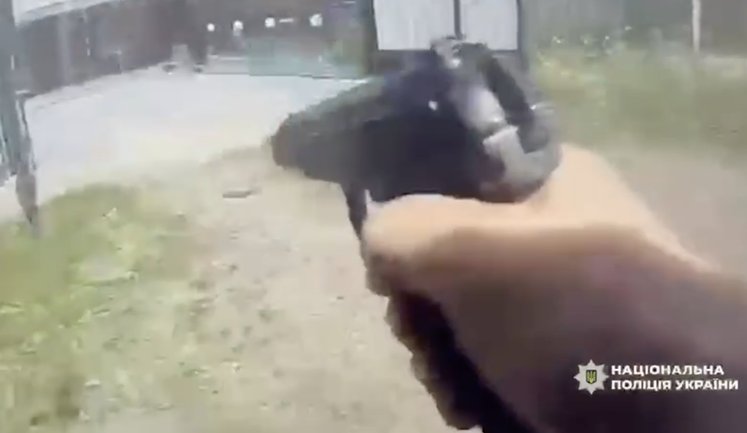
The Khmelnytskyi region in Ukraine has recently been at the center of multiple significant events, highlighting both strategic challenges and social issues. Key incidents include a road accident involving Serhiy Labaziuk, a Member of Parliament from the "For the Future" group, and the arrest of a man by police after firing shots in a residential courtyard. Moreover, a Russian agent was apprehended for planning a terrorist attack in the city center, underscoring ongoing military threats. In parallel, a soldier in the region organized a scheme to send "contract soldiers" abroad, which was unraveled by the prosecutor’s office, indicating systemic problems in military oversight. These events emphasize Khmelnytskyi's prominence in ongoing regional developments.
What recent military threats have affected Khmelnytskyi?
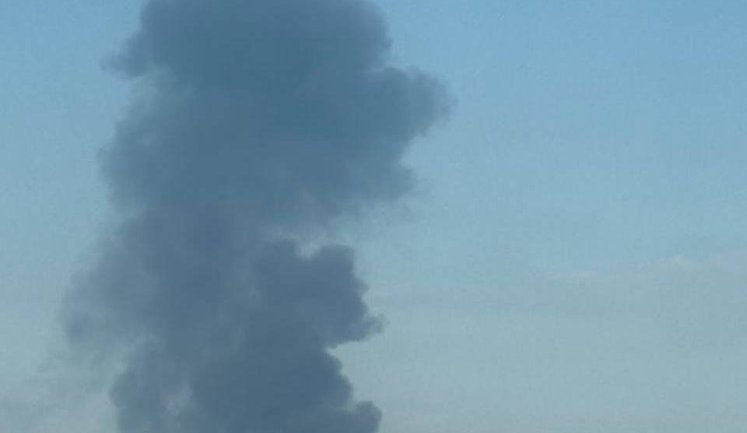
Khmelnytskyi has been targeted by missile and drone attacks, necessitating the deployment of air defense forces. Russian agents planning terrorist activities have also been detained, reflecting significant ongoing military threats.
What criminal activities have been reported in the Khmelnytskyi region?
Criminal activities in Khmelnytskyi include schemes involving illegal smuggling of conscripts abroad, procurement fraud in military supplies, and shooting incidents in residential areas. These issues highlight the region’s social challenges.
How is law enforcement addressing threats in Khmelnytskyi?
Law enforcement in Khmelnytskyi has been proactive, detaining Russian agents planning attacks, breaking up smuggling operations, and apprehending individuals involved in violent activities. These efforts aim to enhance regional security.
What strategic significance does Khmelnytskyi hold for Ukraine?
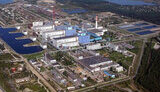
Khmelnytskyi is strategically significant due to its proximity to military and energy infrastructure, making it a frequent target for Russian military activities. This elevates its importance in national defense strategies.
What are current socio-political issues in Khmelnytskyi?
Current socio-political issues in Khmelnytskyi include corruption in defense-related procurement, illegal conscript smuggling schemes, and security concerns due to ongoing military threats, reflecting broader socio-political challenges.
How is the Khmelnytskyi region responding to these challenges?
The Khmelnytskyi region is responding to challenges through heightened law enforcement activities, collaboration between national and local authorities, and ongoing security measures to prevent further threats and restore order.
What has been the impact of military actions on civilians in Khmelnytskyi?
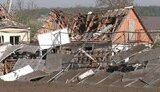
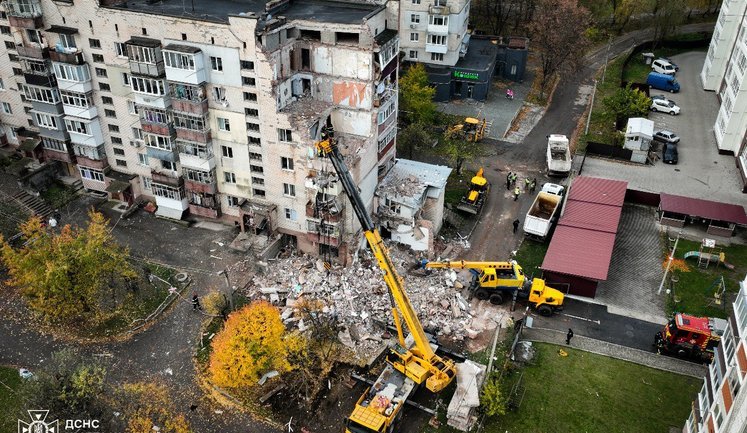
Military actions in Khmelnytskyi have led to civilian casualties, property damage, and psychological distress, emphasizing the importance of effective defense and crisis response strategies to protect residents.
Are there any ongoing investigations in Khmelnytskyi?
Ongoing investigations in Khmelnytskyi include those related to recent shootings, alleged involvement of public officials in corruption, and activities of detained Russian agents, aiming to uncover the full scope of threats and misconduct.
What are the implications of these events for regional security in Ukraine?
These events underscore the need for reinforced security measures and international support for Ukraine, as Khmelnytskyi faces both direct military threats and internal security challenges, affecting national stability.