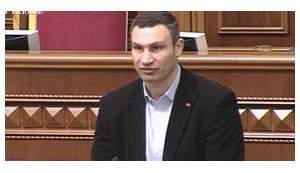
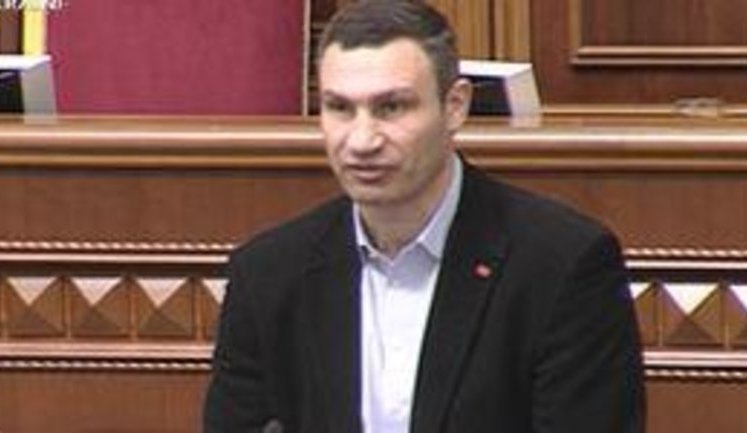
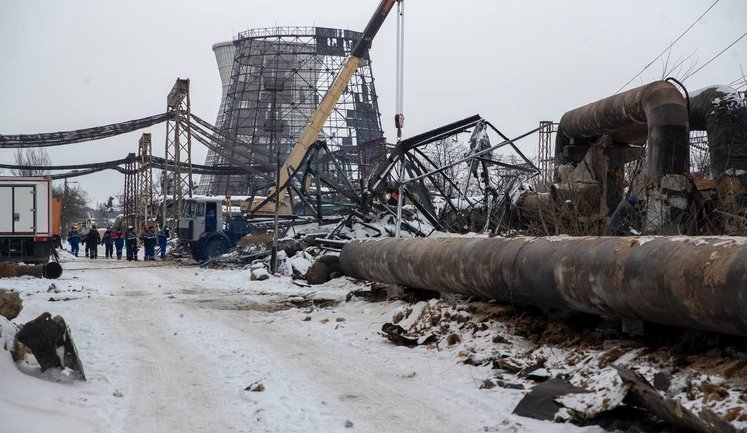
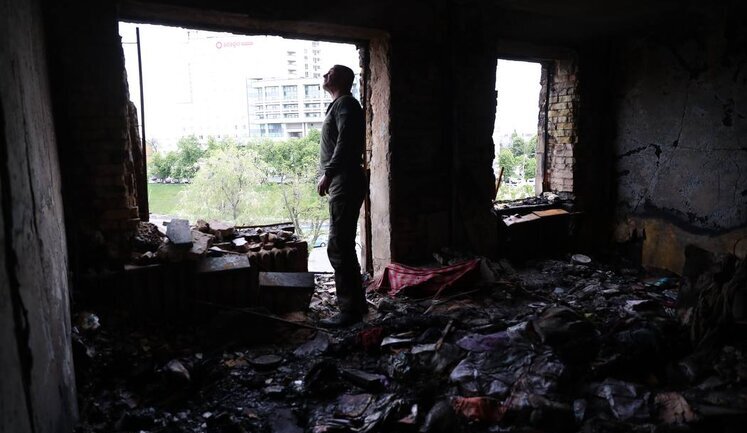
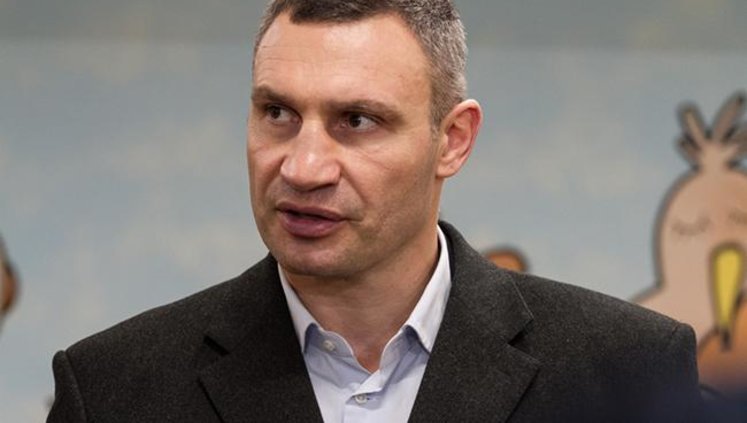
Kyiv faces severe challenges as recent Russian attacks cripple the capital's energy infrastructure. Vitaliy Klytschko, Kyiv's mayor, highlighted critical humanitarian issues arising from these assaults, warning of the city's brink of disaster. Despite efforts, thousands of buildings remain without heat, highlighting an urgent need for robust energy resilience measures. Klytschko has been vocal about the need for better state support and emphasizes community efforts, including the distribution of portable power stations to support local heroes. The search for solutions persists amid discussions with international counterparts like London's mayor to maneuver through these trying times effectively.
What measures are being taken to restore heat in Kyiv?
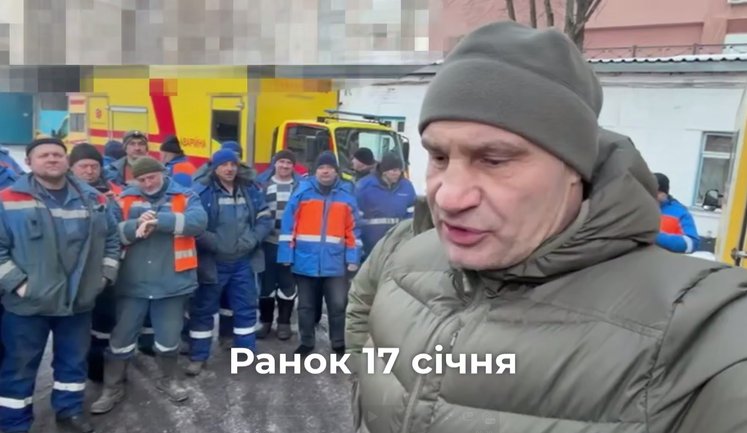
Kyiv authorities are working tirelessly to restore heat to affected areas. Utility workers are reconnecting buildings to the heat supply, despite ongoing Russian attacks and obstacles like searches of energy companies. Furthermore, Mayor Klytschko has announced support initiatives such as 0% loans for generators, and efforts to negotiate for additional state assistance to bolster the city's energy resilience.
How is the Ukrainian community supporting the frontlines?
Kyiv Mayor Vitalii Klytschko has continually ensured support for Ukrainian defenders. Nearly 30,000 drones have been provided to combat units along with vehicles and equipment, thanks largely to community efforts. Local efforts have been crucial in maintaining the support network for troops and ensuring that defense lines have the resources needed to counter enemy engagements effectively.
What impact have recent Russian attacks had on Kyiv's infrastructure?
The relentless Russian shelling has caused significant damage to Kyiv's energy infrastructure. Attacks have left thousands of buildings without heat, pressing the city towards a humanitarian crisis. Continuous efforts are needed to repair infrastructure, exemplified by delays such as the anticipated two-month repair period for the Darnytsia CHP plant, underlining the severity of the situation and necessitating urgent international assistance and support.
What is being done to enhance Kyiv's air defenses?
In response to ongoing threats, Kyiv has allocated significant funds to bolster air defenses, investing in Shahed interceptor drones to enhance the city's protective measures. Discussions with the city’s Defense Council focus on strengthening these initiatives, ensuring rapid implementation and continued strategic investments to counter the persistent aerial threats posed by Russian military actions.
How does Mayor Klytschko plan to address the humanitarian crisis in Kyiv?
Mayor Klytschko is focused on improving energy resilience in Kyiv by stressing the importance of immediate state assistance, encouraging community-based support initiatives, and distributing portable power solutions to citizens. His engagements with international leaders seek collaborative solutions, and he is actively urging the formation of a government of national unity to fend off corruption and bolster democratic tenacity during the ongoing crisis.
What infrastructural challenges are being faced after Russian strikes?
The Russian strikes have extensively damaged Kyiv's infrastructure, notably affecting heating systems and energy facilities. The Darnytsia Thermal Power Plant, in particular, suffered significant damage, necessitating a prolonged restoration period. Continuous shelling poses high risks to city residents, underscoring the need for comprehensive repair strategies and international aid to mitigate the impact and secure essential services for the population.
How are support centers helping Kyiv residents amid the crisis?
In the wake of the Russian attacks, support centers have been swiftly deployed across Kyiv to assist affected residents. These centers provide necessary relief, including financial assistance to those who suffered damages. Mayor Klytschko's initiative ensures a structured response to individual and community needs, facilitating easier access to essential resources and fostering community resilience through coordinated efforts in the face of the ongoing energy and infrastructure crises.
What has been the effect of Russian air strikes on the energy supply in Kyiv?
The severe Russian air strikes have decimated large parts of Kyiv's energy infrastructure, causing widespread heating shortages. Nearly 5,635 high-rise buildings remain affected, resulting in urgent energy supply challenges. Repair efforts are underway, yet the situation remains precarious, with significant efforts focused on restoring adequate heat and energy supply to prevent further humanitarian deterioration amidst the harsh winter conditions.