ENG




8046 visitors online
Lutsk, a significant city in Ukraine's Volynska region, continues to face severe challenges amid ongoing conflict. Recently, an Audi driver in Lutsk injured a TCR serviceman before being detained by law enforcement. The city has also been the scene of various protests, including rallies supporting Mykhailo Fedorov's stance against resignation. Additionally, Lutsk has suffered multiple attacks, notably from Russian strikes targeting infrastructure, leaving residents and city workers to deal with the aftermath. Several incidents, such as drone attacks and missile strikes, have caused significant injuries, damages, and even casualties. These events highlight the tension and resolve within Lutsk and the broader Volynska region.
What recent incidents occurred involving the TCR in Lutsk?
An Audi driver injured a TCR serviceman in Lutsk during a document check and fled the scene before being detained. The region has also seen previous attacks on security posts, emphasizing potential threats to servicemen.
How have residents of Lutsk been affected by recent tensions?
Residents have faced numerous challenges, including widespread attacks that damaged infrastructure, led to injuries, and stoked fears. Events like drone strikes and explosions have disrupted daily life significantly.
What measures are being taken in response to attacks on Lutsk?
Local authorities and rescue teams have been active in responding to damages caused by strikes, managing rescue operations, and ensuring infrastructure repair while maintaining readiness for future threats.
What role has Lutsk played in regional protest movements?
Lutsk was prominent in demonstrations supporting Mykhailo Fedorov, joining other Ukrainian cities in rallies to express dissent and push back against political decisions like his potential resignation.
Why was Lutsk the target of Russian attacks?
As a key urban center in the strategic Volynska region, Lutsk has been a focal point for military activities, making it a target for Russian forces aiming to disrupt Ukrainian infrastructure and regional communication lines.
News Lutsk, Lutskyy district, Volynska region
 Massive drone attack has been ongoing in Volyn for several hours now: five people are reported to have been injured Today, 12 September, Russian troops have been carrying out a massive attack on the Volyn region for over four hours, resulting in casualties. 5 106 21 Previously in trend: Volyn tragedy
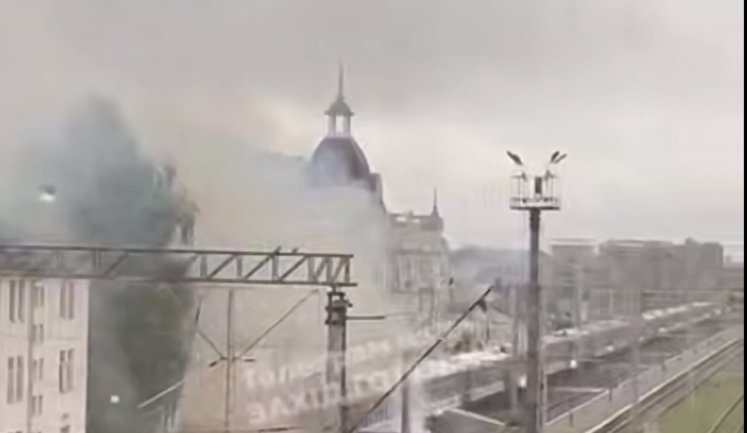
 Enemy has attacked railway: strikes have been reported in Lutsk and Fastiv; passengers have been evacuated, – "UZ" (updated). PHOTOS The enemy is attacking the railway once again. This was reported on Facebook by Oleksandr Pertsovskyi, chairman of the board of ‘UZ’, according to Censor.NET. 7 191 25 Previously in trend: Shelling of Ukrzaliznytsia facilities
 "Mobilisation of Spider-Man" in Lutsk turns out to be fake – TCR Photos and videos purportedly showing the "mobilisation of Spider-Man" outside a shopping centre in Lutsk circulated on social media. The Volyn Regional Territorial Centre of Recruitment and Social Support (TCR and SS) said no such incident had taken place and the widely discussed images and... 2 969 13
 Audi driver hits TCR serviceman in Lutsk during document check and flees: he has been detained On 12 August, law enforcement officers in Lutsk detained a 40-year-old Audi driver who injured a serviceman from a Territorial Centre of Recruitment and Social Support (TCR and SS) during notification activities. 3 906 71 Previously in trend: Conflict with TCR Attack on the TCR
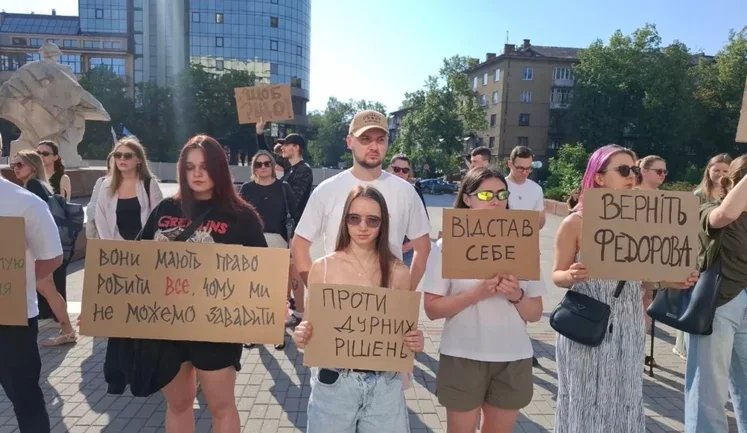
 From Dnipro to Lutsk: rallies in support of Fedorov took place in Rivne, Zaporizhzhia, Ivano-Frankivsk, Cherkasy and other cities. VIDEO+PHOTOS Rallies in support of Mykhailo Fedorov took place in Dnipro, Rivne, Zaporizhzhia, Lutsk, Cherkasy and other cities. Participants are protesting against his resignation. 7 364 71 Previously in trend: Fedorov’s resignation
 Enemy launched Shahed drone attack on Volyn: five people injured, hits confirmed On the afternoon of May 13, Russian invaders launched a drone attack on the Volyn region. As a result of the attack, five people required medical attention. 1 168 0 Previously in trend: Shelling of Volyn Massive combined attack
 City center and bridges closed in Lutsk after Russian attack In Lutsk, central streets were closed after an attack by Russian drones. 2 710 2 Previously in trend: Shelling of Volyn Massive combined attack
 Fictitious teachers and ’exemptions from military service’: criminal scheme exposed at lyceum in Volyn. PHOTOS Officials at an educational institution in Lutsk have been caught up in a criminal scheme. They set up a system to hire people who did not actually perform their duties or turn up for work. Nevertheless, they were paid over 3 million hryvnias. 2 562 10 Previously in trend: Evasion from mobilization
 Woman opened fire in square in Lutsk: bullet shattered trolleybus window. VIDEO In the centre of Lutsk, on Teatralna Square, a young woman fired her gun haphazardly into the air, with one of the bullets striking a trolleybus as passengers were boarding. 11 771 23
 Zelenskyy on strike on Lutsk: We are proposing Easter truce, and Russia’s response is ’Shaheds’. PHOTOS Firefighters are currently working to extinguish a fire in Lutsk following an overnight attack by Russian ‘Shaheds’. 2 404 13 Previously in trend: Ceasefire untill Easter Shelling of Volyn
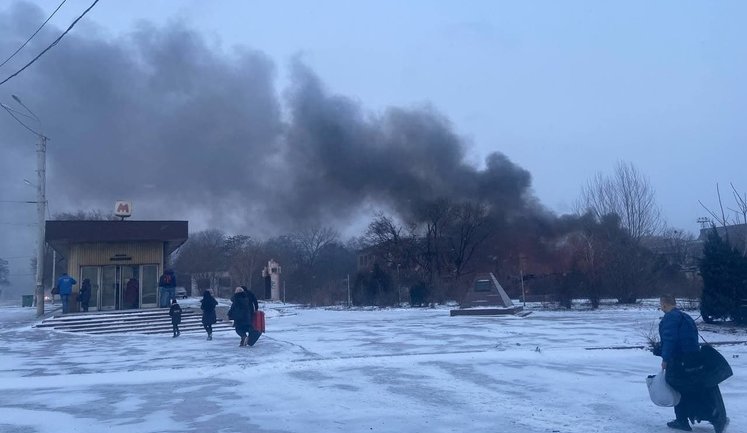
 Lutsk is shrouded in thick smoke: residents are being asked to keep their windows tightly closed Thick smoke has blanketed Lutsk following a Russian attack and a strike on a local enterprise. 4 058 15 Previously in trend: Shelling of Volyn
 Russian strike on Lutsk: "Nova Poshta" terminal destroyed. PHOTO Today, the enemy launched yet another attack on the Lutsk community. 5 820 8 Previously in trend: Shelling of Volyn
Enemy attacked Lutsk with "shaheds": industrial facility hit, high-rise building damaged (updated) In the early hours of April 1, 2026, Russian forces attacked the city of Lutsk with strike drones. Explosions were heard. 3 880 9 Previously in trend: Shelling of Volyn
 Polishchuk resigned early from his post as mayor of Lutsk: decision was supported by city council members During the 90th session of the Lutsk City Council, council members approved a resolution to terminate Mayor Ihor Polishchuk’s term of office early. 2 192 6
 Massive Russian attack on Volyn: several dozen UAVs attacked critical infrastructure facilities, with some hits Throughout the night, the Volyn region was under massive attack from "Shahed"-type UAVs. In total, several dozen enemy targets once again attacked critical infrastructure facilities in Volyn. 7 079 16 Previously in trend: Shelling of Volyn
 Enemy struck Lutsk with drones: there is fire in city. PHOTO On New Year's Eve, Russian troops attacked Lutsk with strike drones. 4 056 0 Previously in trend: Shelling of Volyn
 $30,000 for construction in Lutsk: NABU and SAPO expose Volyn lawmakers in corruption case. PHOTOS The National Anti-Corruption Bureau (NABU) and the Specialized Anti-Corruption Prosecutor’s Office (SAPO) have exposed members of the Volyn Regional Council and Lutsk City Council for allegedly receiving an illegal benefit. 2 920 11
 NABU conducts searches at Lutsk City Hall, - media. PHOTO In the morning, investigative activities are taking place at the Lutsk City Council premises, with law enforcement officers working on site. 2 256 5
 Klymenko on night attack: 10 regions hit, 8 people wounded. Large fires in Lutsk, Dnipro and Bila Tserkva - Klymenko. PHOTOS The night of 6 December was difficult in Ukraine. Russia again attacked civilian infrastructure with drones and missiles. 2 944 13
 Enemy massively attacked Volyn: there are hits on civilian enterprises in Lutsk On the night of Saturday, December 6, Russian troops launched a massive attack on the Volyn region. 2 662 0 Previously in trend: Massive combined attack
 Ruscists attacked Volyn with drones: enterprise in Lutsk district was on fire (updated). PHOTOS Today, 10 September 2025, the enemy once again attacked the Lutsk community using strike UAVs. 2 933 0 Previously in trend: Shelling of Volyn
 Enemy attacked Lutsk and region with drones and missiles, woman injured. PHOTO During the night and in the morning, the Russians launched a combined attack on Lutsk and Volyn region. There were 12 enemy targets in total. 1 938 1 Previously in trend: Shelling of Volyn
 Explosions rang out in Rivne and Lutsk: "shahed" attack Explosions were heard in Rivne and Lutsk. According to Censor.NET, this was reported by Suspilne. 3 147 4 Previously in trend: Shelling of Rivne region Shelling of Volyn
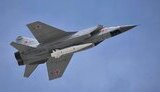 Ihnat about night attack: Main strike was on Volyn and airfield. There are certain consequences from "Kinzhals", but not all of them have reached their targets During Russia's massive night attack on Ukraine, the enemy focused its main attack on Lutsk and one of the airfields. 5 351 7 Previously in trend: Massive rocket attack
 Consequences of enemy attack on Lutsk: the fire at enterprise has already been extinguished. PHOTOS Today, on 9 July, at night, as a result of a Russian missile attack in Lutsk, a fire broke out on the territory of a garage cooperative and one of the city's private enterprises. 5 704 1
 Lutsk suffered most massive attack with missiles and drones: damage and fire at enterprise (updated) On 9 July at night, Lutsk suffered the most massive enemy attack with the use of UAVs and missiles. 15 190 28 Previously in trend: Massive rocket attack
 Russian troops attacked Ukraine with missiles and drones: Kyiv air defence was operating, threat to western regions On the night of Wednesday, 9 July 2025, Russian troops attacked Ukraine with missiles and strike drones. 2 772 4 Previously in trend: Massive rocket attack
 Russia’s attack on Lutsk: two injured in hospital, man in serious condition with complex abdominal wound As of today, two people who suffered as a result of the night attack on the city on June 6, 2025, remain in a hospital in Lutsk. 887 0 Previously in trend: Massive rocket attack
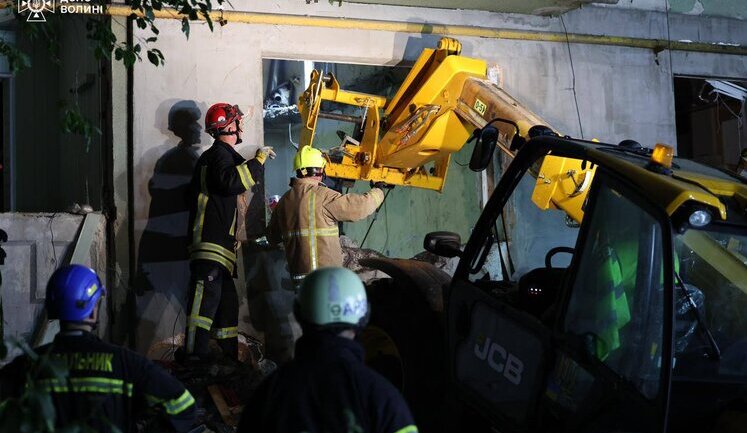
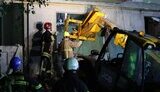 Russian strike on Lutsk: search and rescue operations have been completed. Death toll has risen to two. VIDEO+PHOTOS On the morning of 7 June, rescuers completed search and rescue operations at the site of an enemy attack on Lutsk. The body of another victim was recovered from under the rubble. 3 176 3 Previously in trend: Massive rocket attack
 Number of victims of Russian attack on Lutsk has risen to 30. PHOTOS In Lutsk, the number of people injured by the Russian strike has risen to 30. 3 586 1 Previously in trend: Massive rocket attack
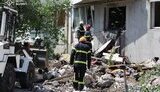 Russian missile strike on Lutsk: body of man recovered from rubble. PHOTOS In Lutsk, rescuers have recovered the body of a man killed at the site of a Russian strike from under the rubble. 4 037 16 Previously in trend: Massive rocket attack
 Massive attack on Lutsk: hotel housing Ukrainian athletics team hit. VIDEO During last night’s attack on Lutsk, the Motor Hotel, where part of Ukraine’s national athletics team was staying ahead of the national team championship, was damaged. 7 508 11 Previously in trend: Massive rocket attack
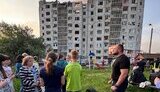 Enemy attack on Lutsk: ruscists launched 15 UAVs and six missiles. Number of injured rises to 15 (updated). VIDEO&PHOTOS On the night of June 6, enemy attack drones targeted the Volyn region. In Lutsk, residential buildings were damaged and casualties were reported. 13 150 9 Previously in trend: Massive rocket attack
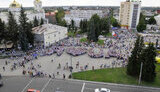 Enemy attacking Volyn. Several arrivals were recorded in Lutsk (updated) On 28 November, Volyn suffered during a massive enemy attack. There are arrivals on the territory of the region. 14 399 27
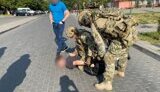 Man who shot at military personnel of TCR in Lutsk was detained - National Police. PHOTO In Lutsk, police detained a man who shot at the TCR soldiers in late August. 8 501 18
 Volyn TCR on shooting at post in Lutsk: In case of threat to lives of servicemen, fire should be opened to kill The Volyn TCR and SS stated that they had informed the personnel of the military commissariat that in case of a threat to the lives of servicemen, they should open fire to kill. This happened after an attack on a guard post in Lutsk. 7 058 45
 OC "West" tells details of shooting at Lutsk TCR: soldier was wounded, attacker is wanted On the night of 27 August, during the curfew, an unidentified person committed an armed attack on the security post of the Lutsk TCR. He opened fire at the soldiers. 7 292 28
 In Lutsk, unknown man fired at servicemen on duty: he is wanted On 27 August, a shootout took place in Lutsk at night. An unidentified man opened fire on the soldiers who were on duty at the security post. After the incident, the attacker fled. 4 237 22
 Shelling of Lutsk by Russian troops: one person was killed, 5 were injured As a result of the shelling of Lutsk, 5 people were injured and 1 person was killed. 1 983 1 Previously in trend: War
 Consequences of Russian attack on high-rise building in Lutsk. PHOTOS Rescuers eliminated the consequences of another Russian attack. 8 214 1 Previously in trend: War
 Massive shelling of Ukraine: Apartment building is damaged in Lutsk, infrastructure facility is damaged, and person is killed (updated) An apartment building was damaged in Lutsk as a result of a Russian attack. 7 475 3
 In Lutsk, man took out gun instead of military registration documents and threatened TCR and patrol policemen, he was detained. PHOTOS In Lutsk, a man threatened TCR servicemen and patrol police officers with firearms. He was detained. 10 591 70
 In Lutsk, man throws grenade at people from car window, injures some. VIDEO+PHOTOS On the evening of 7 July, an unknown man threw a grenade at people from a car window on Kovelska Street in Lutsk. The explosion of the ammunition caused injuries. 17 635 68
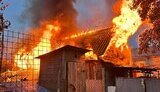 Air defense was working in Volyn: liquidation of consequences of falling debris continues. PHOTO During a large-scale air raid on the night of 22 June, air defence was deployed in Volyn region. 7 654 8 Previously in trend: Russian aggression against Ukraine
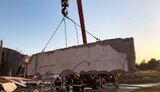 Consequences of shelling of Lutsk: Rescuers dismantled rubble, recovered bodies of three dead. PHOTOS As a result of the shelling of Lutsk by Russian invaders, the structures of a manufacturing plant were destroyed, killing 3 people. 9 401 40 Previously in trend: War
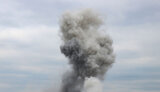 In Lutsk, occupiers hit one of industrial enterprises, there are victims In the morning, powerful explosions were heard in Lutsk, Volyn region. 9 006 20 Previously in trend: Russian aggression against Ukraine
 Resident of Volyn, who "leaked" information about military facilities to occupiers, was sentenced to 14 years behind bars, - Prosecutor General’s Office The man gave information about military facilities in Volyn to the representative of the Main Directorate of the General Staff of the Armed Forces of the Russian Federation. 3 061 15 Previously in trend: War
As result of Russian rocket attacks on Lutsk, 12 buildings were damaged, - Mayor Polishchuk. PHOTOS In Lutsk, 12 houses were damaged during the morning rocket attack by the Russians. 9 649 7 Previously in trend: Russian aggression against Ukraine War
Page 1 of 2
more news